As the global push for a circular economy intensifies, the demand for high-quality recycled plastic compounds has never been higher. However, for many manufacturers, the transition from virgin to recycled materials is fraught with concerns over quality consistency. Achieving "virgin-like" performance from post-consumer (PCR) or post-industrial (PIR) sources requires more than just basic recycling; it demands a sophisticated, tech-driven approach to compounding and quality control.
This guide explores the critical strategies and technologies that leading suppliers, such as Topcentral, employ to ensure that recycled compounds meet the stringent requirements of modern industries, from automotive to consumer electronics.
The Challenge of Variability in Recycled Feedstocks
The primary hurdle in plastic recycling is the inherent variability of the source material. Unlike virgin resin, which is produced under tightly controlled chemical processes, recycled feedstocks can vary significantly in terms of:
- Polymer Purity: Cross-contamination with other plastic types.
- Melt Flow Index (MFI): Fluctuations that affect processing stability.
- Contaminants: Residual adhesives, inks, or organic matter.
- Color Consistency: Variations in the base shade of the collected scrap.
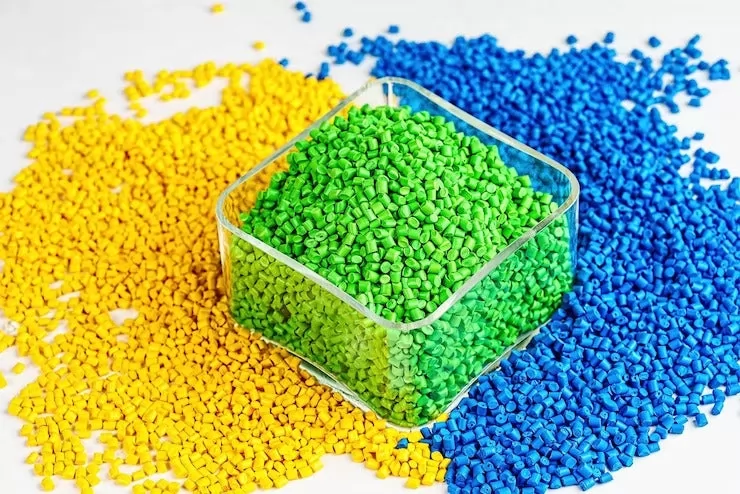
Colorful recycled plastic pellets showcasing the diversity of feedstock materials
Key Strategies for Quality Consistency
To overcome these challenges, a robust quality management system must be integrated into every stage of the compounding process.
1. Advanced Sorting and Feedstream Selection
Consistency starts at the source. Utilizing AI-driven optical sorting and near-infrared (NIR) technology allows for the precise separation of polymers by type and color. By establishing strict criteria for incoming scrap, suppliers can minimize variability before the material even enters the extruder.
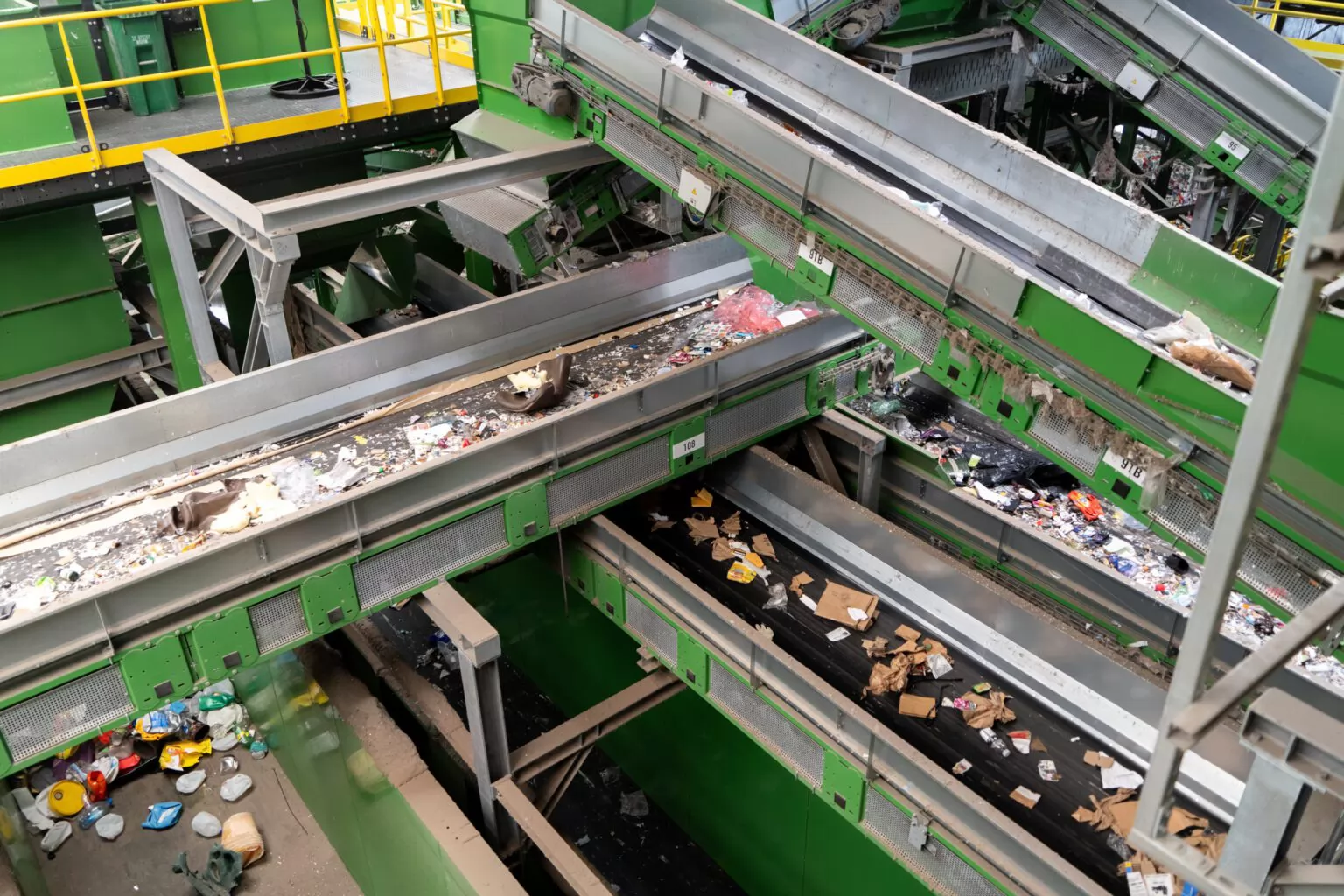
Intelligent robotic sorting systems ensure precise material classification and contamination removal
2. Precision Blending and Homogenization
Large-scale blending silos are essential for "averaging out" minor variations in feedstock batches. By mixing multiple tons of material simultaneously, suppliers can ensure that the final compound has a uniform MFI and mechanical profile across the entire production run.
3. Functional Modification and Additive Technology
Modern compounding involves the use of specialized additives to "upcycle" recycled plastics. This includes:
- Impact Modifiers: To restore toughness lost during the recycling process.
- Antioxidants and Heat Stabilizers: To prevent degradation during subsequent processing.
- Chain Extenders: To rebuild molecular weight and improve mechanical strength.
Quality Control Metrics: A Comparison
The following table illustrates the typical quality control parameters that distinguish high-performance recycled compounds from standard recycled materials.
| Parameter | Standard Recycled Plastic | High-Performance Compound (e.g., Topcircle®) | Impact on Manufacturing |
|---|---|---|---|
| Melt Flow Index (MFI) Tolerance | ± 20-30% | ± 5-10% | Ensures stable injection molding cycles. |
| Contamination Level (Black Spots) | Visible / High | Controlled / Minimal | Critical for aesthetic and transparent parts. |
| Mechanical Property Retention | 60-80% of Virgin | 95-100% of Virgin | Allows for direct replacement of virgin resin. |
| Odor Control | Noticeable | Low to None (Deodorized) | Essential for automotive interiors and packaging. |
The Role of Global Certifications
In 2026, quality is synonymous with traceability. Leading suppliers must back their quality claims with international certifications that verify both the recycled content and the safety of the material.
- GRS (Global Recycled Standard): Verifies recycled content and tracks it through the supply chain.
- ISCC PLUS: Ensures the sustainability of the entire value chain, including circular and bio-based materials.
- FDA/EFSA Compliance: Critical for recycled plastics intended for food-contact or toy-safety applications.
- UL94 V-0: Ensures flame retardancy for electronics and appliance housings.

Rigorous laboratory testing ensures compliance with international quality and safety standards
Conclusion: Partnering for a Sustainable Future
Achieving consistent quality in recycled plastic compounds is no longer an optional "green" goal; it is a technical necessity for brands aiming to meet 2026 sustainability mandates. By leveraging advanced sorting, precision compounding, and rigorous testing, suppliers like Topcentral are proving that recycled materials can perform just as reliably as their virgin counterparts.
For manufacturers, the key to success lies in choosing a supplier that views recycling as a high-tech material science, ensuring that every pellet delivered is a step toward a truly circular and low-carbon future.