The global shift toward circular economy has made post-consumer recycled (PCR) materials more important than ever. As manufacturers increasingly adopt sustainable practices, the challenge of processing recycled plastics in injection molding has become a critical topic. This comprehensive guide explores the technical solutions that enable high-quality production while maintaining environmental responsibility.
At Ningbo Topcentral New Material Co., Ltd, we understand the unique challenges our customers face when transitioning from virgin to recycled materials. With over 15 company qualifications, 48 product certificates, and 203+ honor certificates, our team has accumulated extensive expertise in helping manufacturers optimize their injection molding processes for recycled plastics. Our comprehensive product portfolio includes premium recycled solutions across multiple material families, from general-purpose grades to engineering plastics.
1. Understanding Material Variability in Recycled Plastics
1 The Challenge: Inconsistent Melt Flow Properties
One of the primary challenges when working with recycled plastics is the inherent variability in Melt Flow Index (MFI) values. Unlike virgin materials, recycled polymers have undergone previous processing cycles that can alter their molecular weight distribution, leading to inconsistent flow behavior. This variability can cause defects ranging from short shots to flash and poor surface finish.
Why This Happens:
- Multiple heat histories during previous processing cycles
- Different sources of post-consumer waste
- Inconsistent contamination levels
- Varying degrees of polymer chain scission
Topcentral Solution: Standardized Batch Consistency
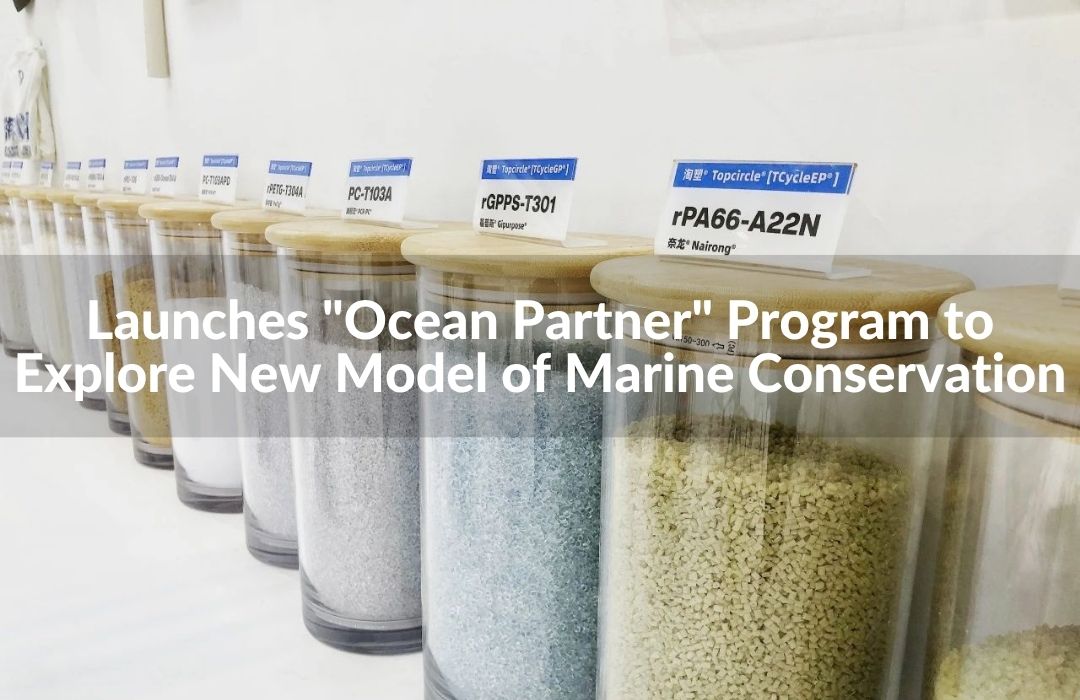
Our Topcircle® and TcycleGP® series represent our commitment to material consistency. Every batch undergoes rigorous rheological testing to ensure consistent MFI values within tight specifications. Our technical team works closely with customers to match the right material grade to their specific processing requirements, reducing the variability that typically plagues recycled materials.
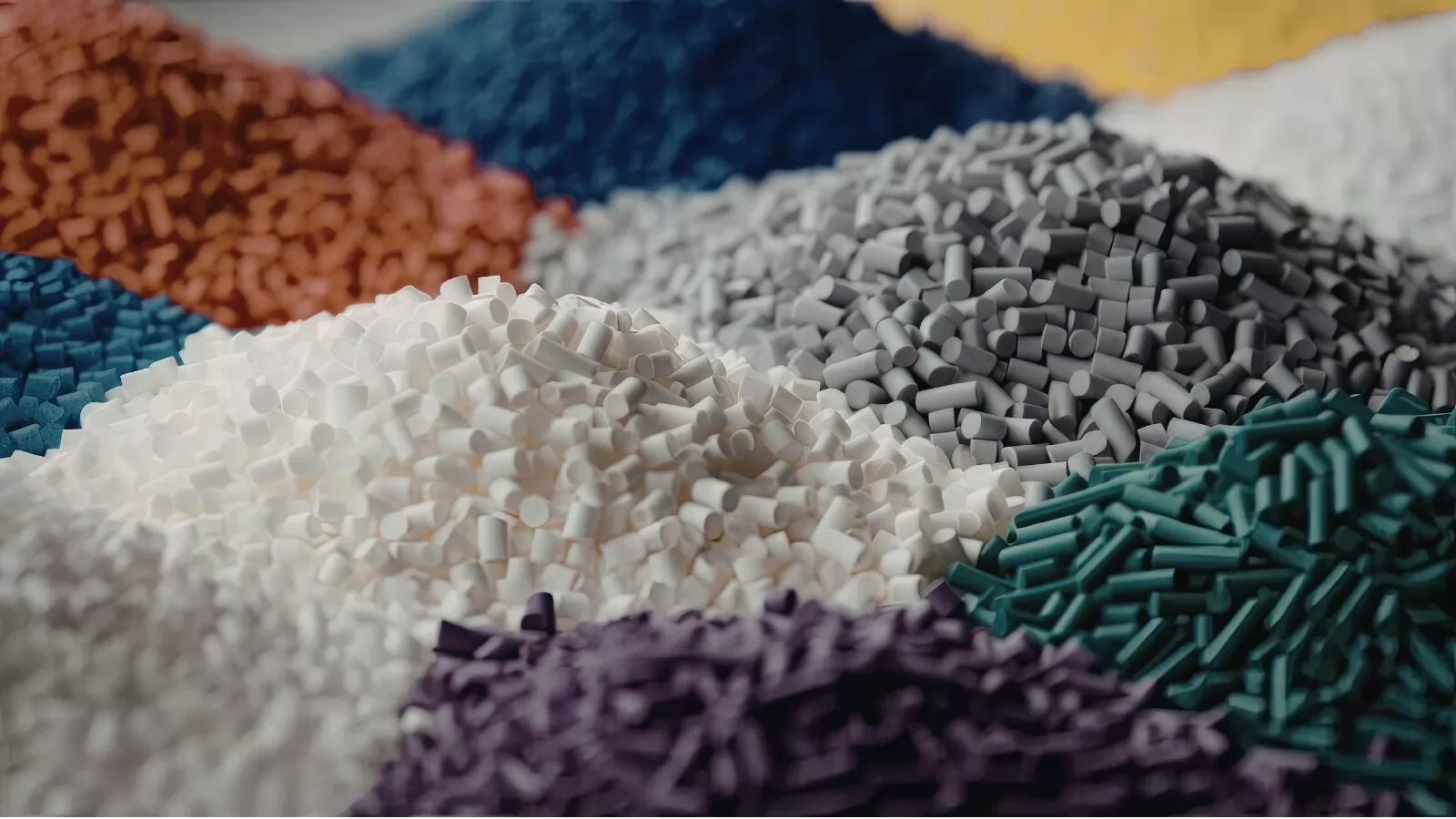
Premium recycled plastic pellets ensure consistent melt flow behavior in injection molding applications
2. Managing Contamination and Surface Defects
2 The Challenge: Black Specks, Splay Marks, and Silver Streaking
Surface defects are among the most common issues when processing recycled materials. Contamination from foreign materials, residual additives, or degraded polymer chains can manifest as black specks, splay marks, silver streaking, or waviness on the molded part surface. These defects not only affect aesthetics but can also compromise mechanical properties.
Technical Solutions for Clean Processing
- Filtration Systems: Install fine mesh filters (40-80 mesh) in the nozzle to catch contaminants before they enter the mold cavity
- Screw Cleaning Protocols: Implement regular purging schedules using specialized cleaning compounds
- Material Pre-treatment: Use proper drying and pre-heating to minimize moisture-related defects
- Process Monitoring: Deploy visual inspection systems at critical points in the production cycle
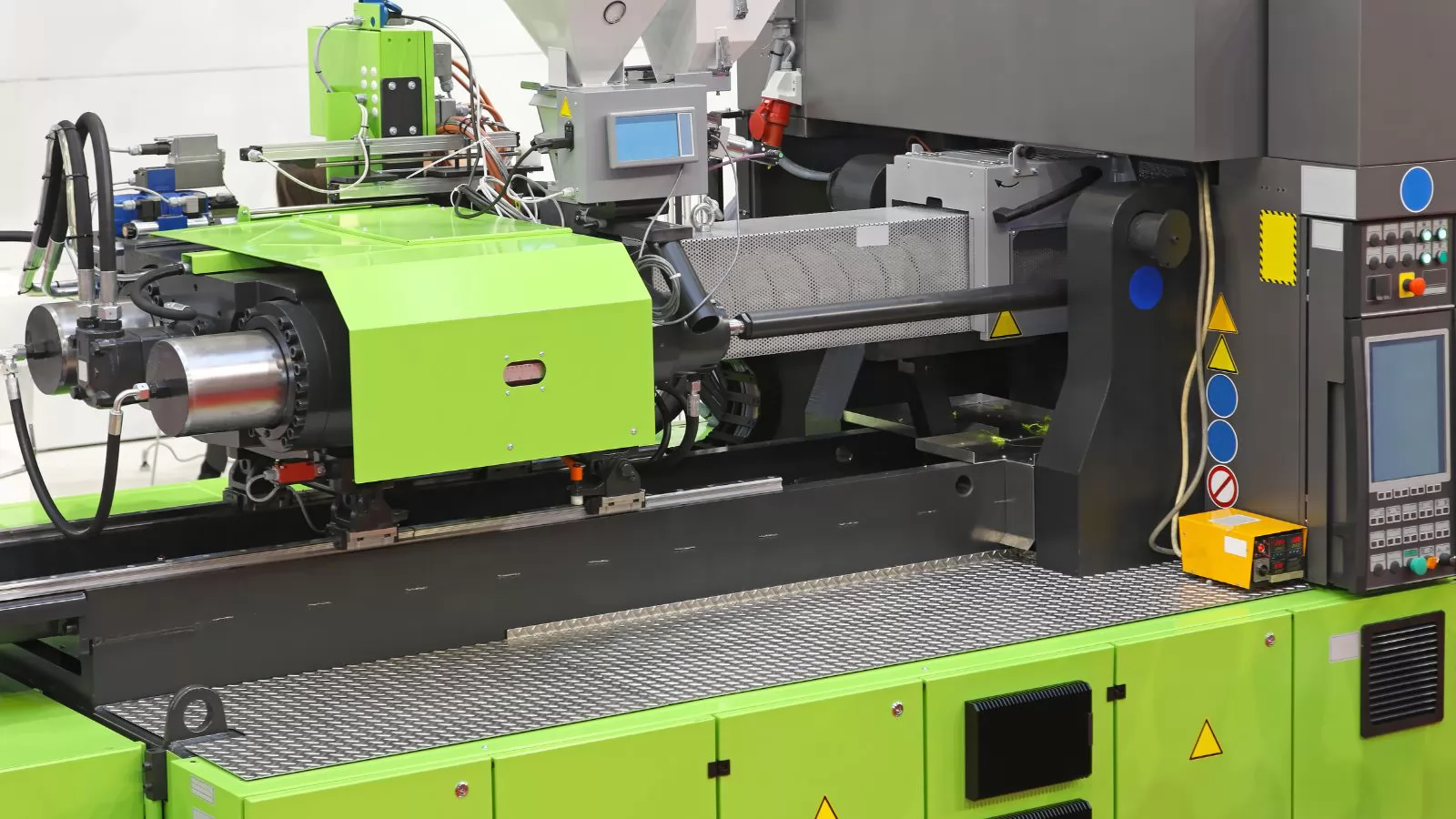
Modern injection molding operations require careful monitoring to ensure defect-free production
Topcentral Solution: Premium Clean Grades
Our FreeCBO2® technology platform ensures superior cleanliness for all our recycled materials. The IBISS® brand, specifically developed for ocean-bound plastic recycling, undergoes proprietary cleaning processes that remove contaminants while preserving material properties. Our rigorous quality control includes optical sorting and multi-stage filtration to deliver materials that perform consistently in demanding applications.
3. Optimizing Processing Parameters for Recycled Plastics
When transitioning from virgin to recycled materials, parameter adjustments are essential. The "Low and Slow" approach—reducing temperatures and speeds compared to virgin processing—helps prevent degradation of shorter polymer chains typical in recycled materials.
| Material | Melt Temp (°C) | Mold Temp (°C) | Drying Temp/Time | Injection Speed |
|---|---|---|---|---|
| rABS (IBISS®) | 190-220 | 40-60 | 80°C / 2-4 hrs | Medium |
| rPP (Ploypoy®) | 180-210 | 20-40 | 80°C / 1-2 hrs | Medium-Fast |
| rPET (TC-Rester®) | 250-280 | 80-120 | 120°C / 4-6 hrs | Fast |
| rPC (PCR PC®) | 270-300 | 80-100 | 120°C / 3-5 hrs | Medium |
| rPA6 (Nairong®) | 230-260 | 60-80 | 80°C / 4-6 hrs | Medium |
| rPA66 (Nairong®) | 260-290 | 80-100 | 80°C / 4-6 hrs | Medium |
Note: Values shown are guidelines for recycled materials. Actual parameters should be adjusted based on specific material grades, part geometry, and equipment. Contact Topcentral's technical team for customized recommendations.

Understanding the complete injection molding cycle is essential for optimizing recycled plastic processing
4. Hydrolysis and Moisture Management
3 The Challenge: Hygroscopic Materials and Moisture Sensitivity
Engineering plastics, especially those containing ester groups like PET, PA6, and PA66, are highly hygroscopic. When moisture content exceeds recommended levels (typically 0.02-0.04%), hydrolysis during processing causes molecular weight degradation, resulting in poor mechanical properties, surface defects, and reduced impact strength.
Best Practices for Moisture Control
- Proper Drying: Follow manufacturer-recommended drying times and temperatures strictly
- Dew Point Monitoring: Maintain desiccant dryer dew point at -40°C or below
- Material Handling: Use sealed containers and minimize exposure to ambient humidity
- In-Process Monitoring: Implement moisture analyzers to verify material dryness before processing
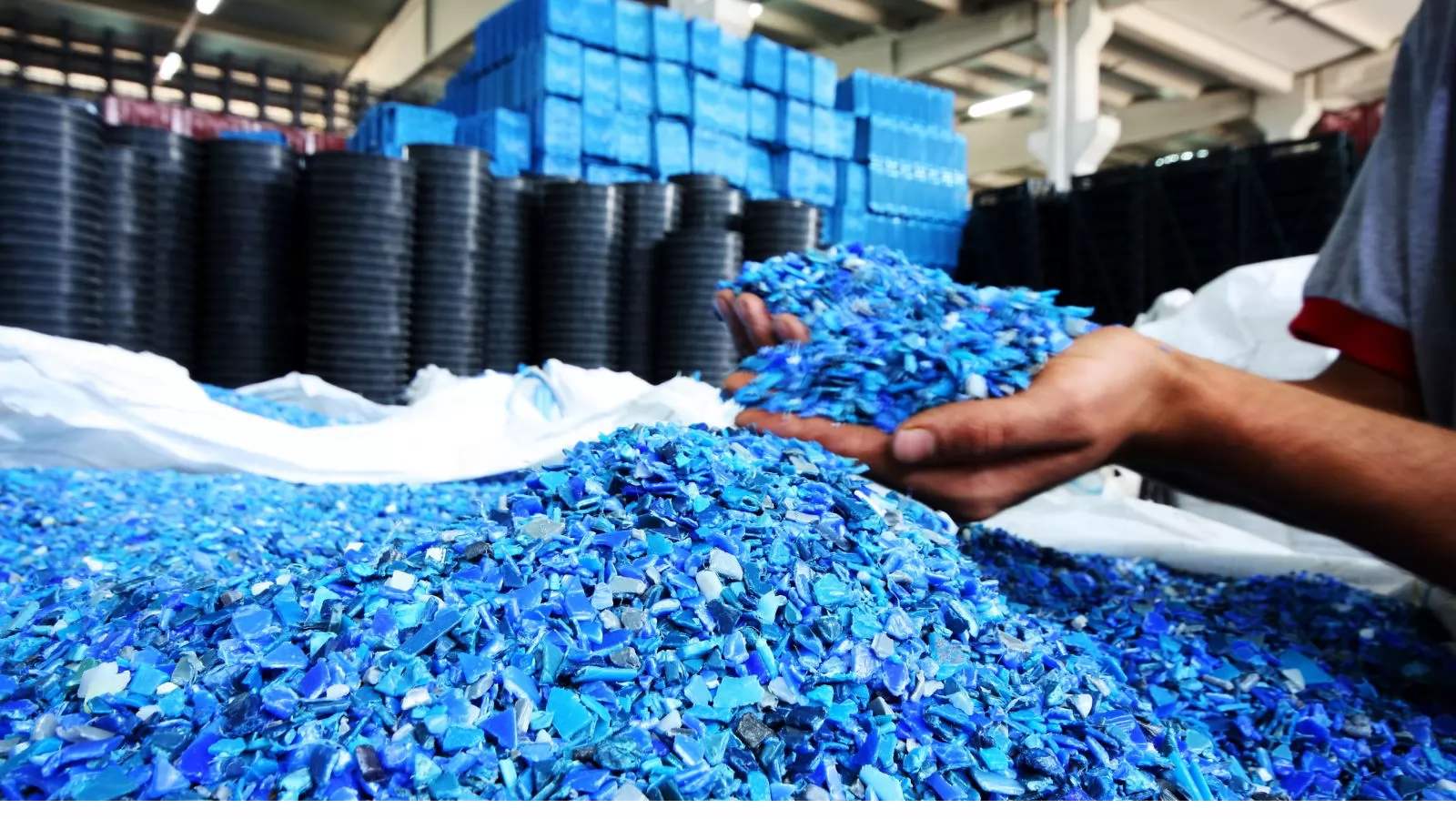
Professional quality control and testing facilities ensure material consistency
Topcentral Solution: Engineering-Grade Excellence
Our TcycleEP® (Engineering Plastic Series) and PCR PC® products are manufactured with strict moisture control protocols. We provide detailed drying guidelines for each product and offer technical support to help customers establish optimal material handling procedures. For demanding applications, our technical team can recommend specific formulations that offer improved moisture resistance while maintaining recycled content.
5. Additional Pro Tips for Success
Pro Tip: Consider using reprocessed material in combination with virgin material for non-critical components. Our technical team can help you develop hybrid formulations that balance cost efficiency with performance requirements.
Equipment Considerations
- Screw Design: Use screws with higher L/D ratios (20:1 or greater) for better mixing
- Back Pressure: Increase slightly to improve homogenization
- Residence Time: Minimize to prevent thermal degradation
- Mold Venting: Ensure adequate venting to prevent gas trapping
Quality Assurance
- Implement statistical process control (SPC) for critical dimensions
- Conduct regular mechanical property testing on sample parts
- Document all process parameters for repeatability
- Establish supplier quality agreements with clear specifications
Partner with Topcentral for Your Recycled Material Needs
At Ningbo Topcentral New Material Co., Ltd, we combine sustainability with performance. Our comprehensive product range includes rABS, rPP, rPE, rPET, rPC, and engineering grades like rPA6 and rPA66, all manufactured to meet the highest quality standards. With our end-to-end solutions from R&D to manufacturing and sales, we help you achieve your sustainability goals without compromising on product quality.
Contact Our Technical Team