/
/
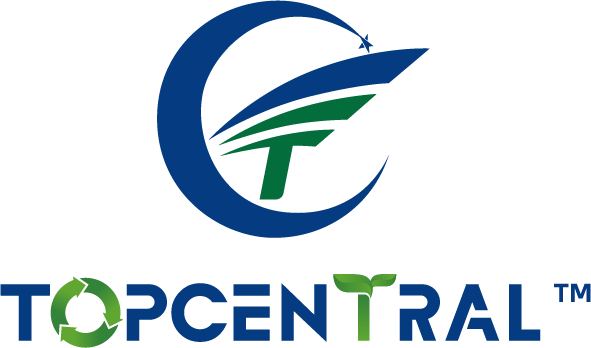
The PPWR (Packaging and Packaging Waste Regulation, EU 2025/40) is the EU's binding regulatory framework replacing Packaging Directive 94/62/EC, entering into force on 11 February 2025 and applying from 12 August 2026. It covers recyclability standards, mandatory recycled content in plastic packaging, a PFAS ban in food-contact packaging, EPR producer registration, and documentation obligations — affecting every company placing packaging on the EU market, including non-EU exporters.
Table of Contents
Regulation (EU) 2025/40 — the Packaging and Packaging Waste Regulation — replaces the longstanding Packaging and Packaging Waste Directive 94/62/EC, which governed EU packaging policy for over three decades. The difference between a Directive and a Regulation is not procedural — it is legally fundamental. A Directive requires each of the 27 EU member states to transpose its requirements into national law, creating variation, delays, and gaps in enforcement across the single market. A Regulation applies directly and uniformly in all 27 member states from its date of application. There is no national transposition, no room for softer national implementation, and no waiting for member states to catch up.
The PPWR entered into force on 11 February 2025, with an 18-month transition period before its general date of application: 12 August 2026. From that date, the first tranche of obligations — producer registration, EPR contributions, PFAS restrictions in food-contact packaging, packaging design rules, and supplier documentation requirements — become binding and enforceable across the EU.
The scope of who is affected is broader than many companies currently recognize. The EU packaging regulation covers manufacturers of packaging and packaging materials, brand owners and importers who place packaged goods on the EU market, distributors and retailers, online marketplaces facilitating sales of packaged goods, and — critically — non-EU companies exporting packaged products into the EU. The obligation falls on the economic operator placing the packaging on the EU market, not solely on the end retailer or importer.
The core shift the PPWR represents is from voluntary best practice and national-level patchwork regulation to uniform, binding, enforceable obligations with market access consequences for non-compliance. Companies that have treated packaging sustainability as a marketing commitment will need to restructure it as a compliance function before August 2026.
The PPWR 2026 deadline does not yet trigger mandatory minimum recycled content in plastic packaging — those requirements begin in 2030. What it does trigger is a set of structural compliance obligations that require documentation, registration, supply chain auditing, and packaging redesign work that most companies need to begin immediately. Below are the five obligations that become enforceable on 12 August 2026.
Obligation 1 — Producer Registration and EPR
All companies placing packaging on the EU market must register in the national producer register of each EU member state where they operate and fulfill Extended Producer Responsibility (EPR) obligations. EPR requires producers to financially contribute to the collection, sorting, and recycling of the packaging they place on the market — the amount proportional to the quantity and type of packaging. Online marketplaces must verify that third-party sellers on their platforms hold valid producer registrations. By 2029, national producer databases will be consolidated into a single EU-level registry. Companies that have not yet begun their EPR registration process in their primary EU markets should treat this as the first priority action ahead of the PPWR 2026 deadline.
Obligation 2 — Packaging Design and Volume Efficiency (Void Fill)
From 12 August 2026, packaging must not contain more than 40% empty space. This void fill rule applies directly to e-commerce transport packaging and other packaging formats where excess empty space is common. Companies using standard oversize box formats for e-commerce fulfillment need to audit current packaging dimensions against their average product sizes and implement right-sizing solutions. This obligation requires packaging engineering work — not just a policy statement — and lead times for new packaging format development typically run three to six months minimum.
Obligation 3 — PFAS Ban in Food-Contact Packaging
Per- and polyfluoroalkyl substances (PFAS) are banned in food-contact packaging from 12 August 2026 where concentrations exceed defined threshold levels. PFAS have historically been used in grease-resistant food packaging — paper-based trays, microwave packaging, fast food wrappers — and in some plastic packaging applications. Companies supplying or purchasing food-contact packaging must obtain PFAS-free declarations from their material suppliers. Topcentral's full range of recycled plastic pellets and compounds carries PFAS Free certification, providing the supplier-level declaration that packaging converters and brand owners need to document compliance with this obligation.
Obligation 4 — Substances of Concern (SoC) Restrictions
The PPWR restricts the presence of substances of concern (SoC) in packaging materials — hazardous or potentially hazardous substances that may impair the safety of packaging or limit its recyclability at end of life. Compliance requires supply chain due diligence: companies must obtain material composition data and SoC compliance certifications from their packaging material suppliers and maintain this documentation in a compliance file available on demand to EU market surveillance authorities. This is not a one-time audit — it is an ongoing supplier qualification and documentation management obligation.
Obligation 5 — Supplier Documentation and Declarations
Under the EU packaging regulation, companies must be able to produce documentation proving compliance with packaging material requirements on request from market surveillance authorities or downstream customers. This documentation package includes recycled content declarations, material composition data, substance compliance certificates, and — for packaging claiming PCR content — certification from a recognized scheme such as GRS, ISCC PLUS, or UL 2809. Building this compliance documentation file requires systematic engagement with every packaging material supplier now, not at audit time. Companies that have not yet mapped their packaging material supply chain against PPWR documentation requirements should begin this mapping before the end of 2025.
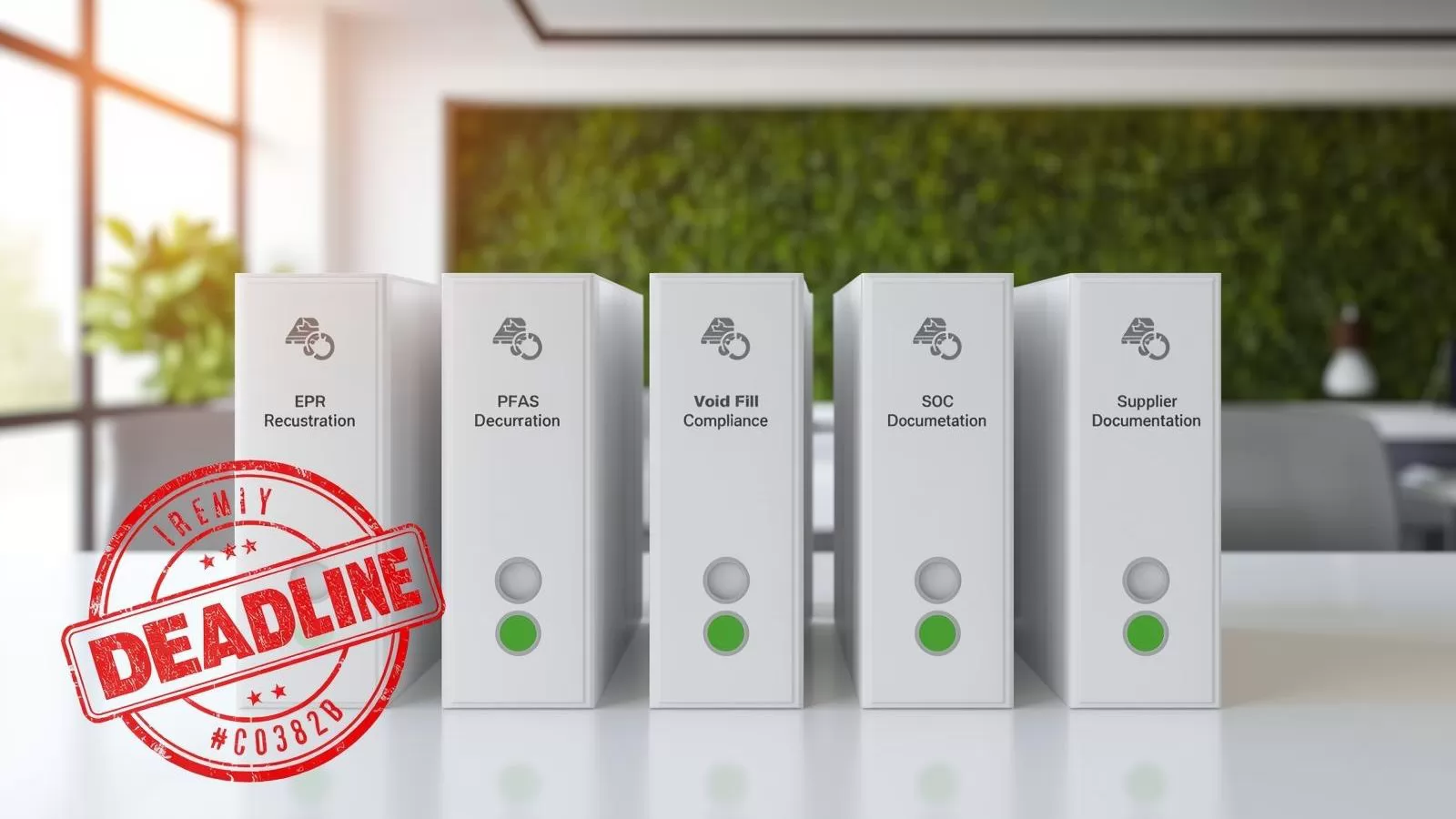
⚠ Deadline Alert: 12 August 2026
Producer registration, EPR contributions, PFAS ban in food-contact packaging, void fill compliance, and supplier documentation requirements are all enforceable from this date.
Note: Germany has formally requested a delayed application date of January 2027 for certain provisions — but this has not been confirmed at EU level. All companies should plan and prepare for 12 August 2026 as the operative deadline.
The 2026 deadline is urgent, but the compliance obligations that follow represent a structural transformation of packaging across every product category in the EU market. The timeline below sets out the key milestones. Procurement and sustainability managers who treat 2030 as a future problem will find themselves qualifying new materials under supply pressure and regulatory scrutiny simultaneously — the combination that produces the highest compliance risk and cost.
⚠ The 2030 PCR Deadline Is Only 4 Years Away
Mandatory 30–35% PCR content in plastic packaging applies from 1 January 2030. Material qualification — including resin trials, mold adjustments, mechanical property verification, supplier audits, and certification procurement — takes a minimum of 12 to 24 months. Companies targeting 2030 compliance need to begin PCR material qualification now, not in 2028. Supply availability of certified PCR pellets (rPET, rPP, rPE, rABS, rPC) will tighten as EU demand accelerates across all packaging sectors simultaneously.
 (1)_1773283958_WNo_1536d1024.webp)
A common misconception among Asian manufacturers exporting to the EU is that PPWR compliance is the responsibility of their European importer or distributor. This is incorrect. The EU packaging regulation places obligations directly on the economic operator responsible for placing packaging or packaged goods on the EU market — and non-EU manufacturers who supply packaged goods or packaging materials into the EU are firmly within that definition.
Non-EU companies placing packaging on the EU market must appoint an authorized representative established within the EU. This representative acts as the legal point of contact for EU market surveillance authorities and is responsible for ensuring that the packaging documentation and compliance file is maintained and available on request. Appointing an authorized representative requires a formal written mandate — companies that have not yet identified and engaged an EU representative for PPWR purposes should begin this process ahead of the August 2026 deadline.
Article 16 of Regulation (EU) 2025/40 requires economic operators to provide information and documentation certifying conformity of packaging with PPWR requirements throughout the supply chain. For a Chinese manufacturer supplying plastic packaging or packaging materials to EU customers, this creates a direct documentation obligation: EU customers will request recycled content declarations, material composition data, SoC compliance certificates, and PFAS-free declarations from their upstream suppliers as part of their own PPWR compliance file.
Topcentral's Topcentral's sustainability and certification framework — including GRS and ISCC PLUS certified PCR plastic pellets, PFAS Free and REACH certification, and batch-level carbon footprint documentation via the PCFNow platform — provides exactly the supplier-level declaration package that EU packaging customers need to satisfy their Article 16 documentation obligations. Supplying certified materials with documented compliance is not a marketing advantage for non-EU manufacturers — from August 2026, it is an entry condition for the EU market supply chain.
Packaging must comply with PPWR requirements before it enters the EU market — customs clearance does not substitute for compliance. EU customs authorities and national market surveillance bodies have the authority to detain or withdraw non-compliant packaging from the market. For non-EU exporters, the practical implication is that PPWR compliance must be built into product and packaging development processes, not treated as a market-entry formality to be addressed after the fact.
The 2030 mandatory PCR content minimums create a structural and foreseeable demand surge for certified post-consumer recycled plastic pellets across all packaging categories. Every packaging converter, brand owner, and compounder using plastic packaging in the EU market will simultaneously need to source, qualify, and certify PCR content materials across rPET, rPP, rPE, rABS, and rPC grades. The time to build supplier relationships and qualification files is before that demand surge peaks — not during it. Topcentral supplies the full range of certified recycled plastic pellets that PPWR compliance requires.
rPET — Food-Contact Trays and Single-Use Beverage Bottles
Contact-sensitive PET packaging and single-use plastic beverage bottles both face a 30% PCR content minimum from 2030 — rising to 65% by 2040 for beverage bottles. PET is the highest-volume PCR plastic requirement under PPWR and the market most likely to experience certified supply constraints as demand accelerates. TC-Rester® recycled PET pellets provide GRS/ISCC PLUS certified post-consumer rPET for packaging converters producing bottles, trays, and food-contact thermoformed packaging.
rPP — Caps, Closures, Cosmetics Containers, and Rigid Packaging
Polypropylene is one of the most widely used plastics in packaging — caps and closures, yoghurt pots, cosmetics jars, household chemical containers, and flexible films all use PP extensively. The "other plastic packaging" category minimum of 35% PCR by 2030 covers the majority of these applications. Ploypoy® recycled PP pellets support injection molding and blow molding packaging applications requiring certified PCR PP content with ISCC PLUS documentation.
rPE — Films, Bags, Shrink Wrap, and Flexible Packaging
Polyethylene flexible packaging — carrier bags, shrink films, stretch wrap, and multi-layer flexible pouches — represents the largest volume plastic packaging format by weight in most EU markets. Achieving 35% PCR content in flexible PE packaging at scale requires reliable supply of consistent-quality recycled PE pellets. Topcentral's Poisye® rPE pellets address this requirement for flexible packaging converters working toward 2030 compliance in their PE film and bag production lines. Contact Topcentral for compliance documentation and grade availability.
rABS — Rigid Packaging, Cosmetics, and Electronics Packaging
ABS is widely used in premium cosmetics and personal care product packaging, electronics retail packaging, and durable rigid packaging formats. Brand owners in beauty and personal care are under particular sustainability scrutiny and many have committed voluntarily to PCR content targets ahead of the 2030 mandatory minimum. IBISS® recycled ABS pellets provide certified post-consumer rABS with the documentation package required for voluntary and regulatory PCR content claims.
rPC — Optical Packaging, Dispensing Systems, and High-Performance Rigid Packaging
Polycarbonate is used in optical-clarity packaging components, water dispensing systems, and high-performance rigid packaging applications where impact resistance and transparency are required simultaneously. PCR PC® recycled polycarbonate pellets — along with CircleBlend® rPC compounds for modified property requirements — address these higher-specification packaging applications. For more specialized packaging requiring specific alloy properties, Topcentral's recycled PC alloy compounds provide rPC/ABS and rPC/PBT variants. Nairong® rPA6/rPA66 recycled nylon pellets address engineering packaging components requiring thermal and chemical resistance.
Certified PCR material supply without documentation is not PPWR-compliant supply. The Article 16 documentation obligation requires that PCR content claims be supported by recognized certification. Topcentral's GRS (Global Recycled Standard) and ISCC PLUS certifications provide exactly this support — they are the two most widely accepted PCR content certification schemes for EU packaging compliance declarations. The PCFNow carbon footprint platform provides batch-level product carbon footprint documentation for Scope 3 reporting and EPD filings. The Back2Circle traceability platform documents material origin from waste stream through finished pellet — supporting both PCR content claims and circular economy reporting under GRI Standard 301.
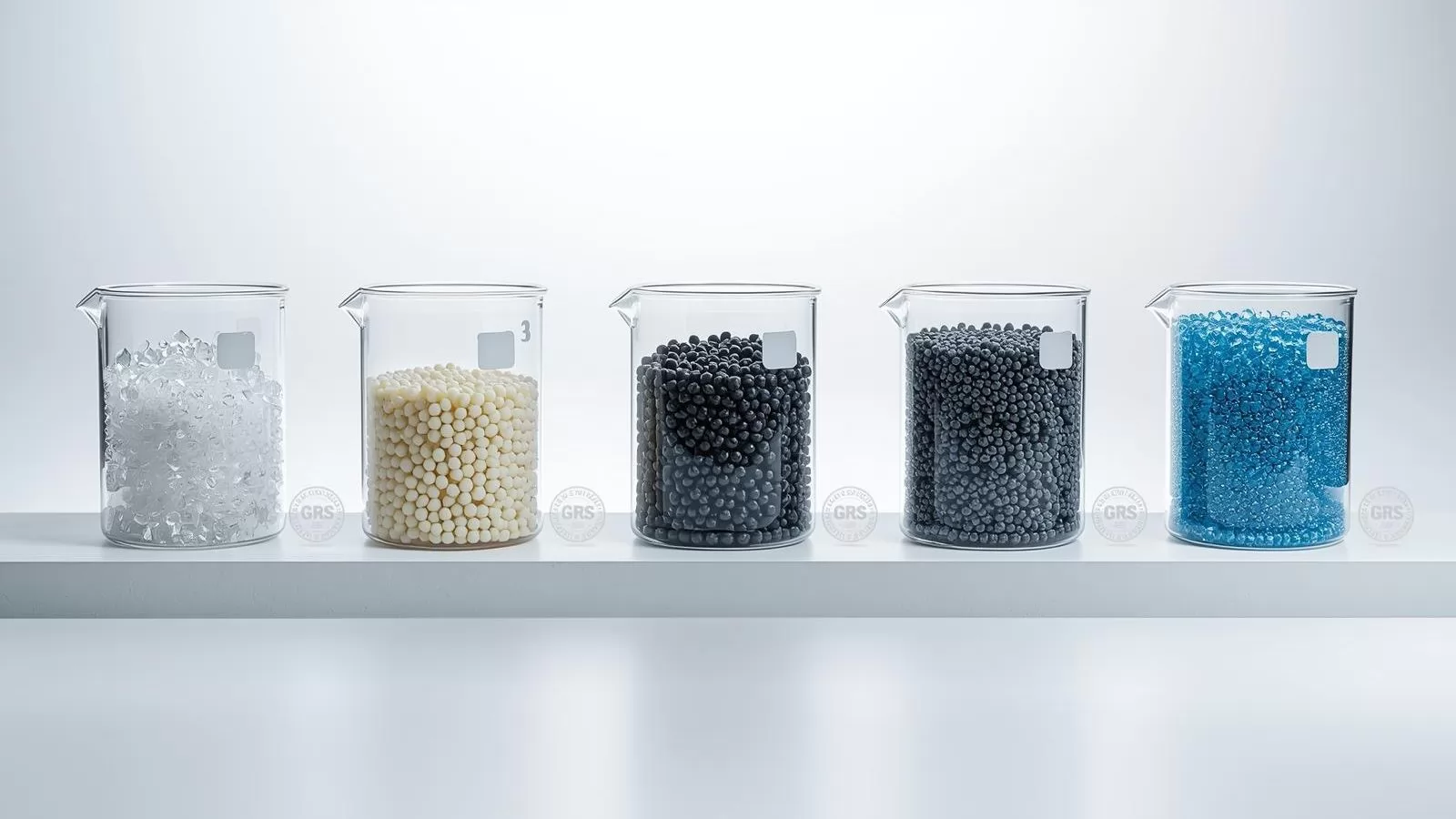
The following five actions represent the minimum compliance program that packaging procurement and sustainability managers should complete before 12 August 2026. Each action has a clear owner, a concrete output, and a direct connection to the PPWR obligations that become enforceable on that date.
Register as a Producer in Each Relevant EU Member State
Confirm that your company — or your designated EU importer — has registered in the national producer register of every EU member state where you place packaging on the market and is meeting EPR financial contribution obligations. If registration has not yet begun, this is the single most time-sensitive compliance action ahead of the PPWR 2026 deadline. By 2029, national registries consolidate into a single EU-level system, but the August 2026 obligation requires registration in current national systems.
Audit All Plastic Packaging Formats for PFAS Content
Identify every plastic packaging format in your product range that has food-contact or direct-product-contact application. Request PFAS-free declarations from every material supplier in your packaging supply chain. For companies sourcing certified PCR pellets from Topcentral, PFAS Free certification is included in the standard compliance documentation package — providing the supplier-level declaration that your own compliance file requires.
Audit Packaging Void Fill — Enforce the 40% Limit
Measure the empty space ratio across all e-commerce and transport packaging formats currently in use. Any format where empty space exceeds 40% of total packaging volume will be non-compliant from August 2026. Commission right-sizing work on non-compliant formats now — packaging development and tooling lead times mean this work cannot be deferred to mid-2026. Documenting the audit and remediation process also contributes to the compliance file.
Build the Article 16 Compliance Documentation File
Request recycled content declarations, material composition data, SoC compliance certificates, PFAS-free declarations, and REACH compliance documentation from every plastic packaging material supplier. Organize these into a structured compliance file per packaging format, cross-referenced to the relevant PPWR obligations. For certified PCR content documentation, request GRS or ISCC PLUS certificates from Topcentral for each material grade in your supply chain. This file must be producible on demand to EU market surveillance authorities — building it under audit pressure is a significantly more difficult position than building it systematically now.
Begin PCR Material Qualification for the 2030 Targets — Now
Identify which packaging lines will need to meet 30–35% PCR minimum content from 1 January 2030. For each line, map the required resin type (rPET, rPP, rPE, rABS, rPC) and begin material qualification trials with certified PCR pellets. Qualification encompasses resin processing trials, mold and tooling assessment, mechanical property testing against specification, packaging performance testing (drop, compression, barrier), and supplier audit and certification verification. Budget 12–24 months minimum for this qualification cycle. Companies that begin qualification in late 2025 or early 2026 can reach compliant supply before the 2030 deadline — companies that begin in 2028 face a compressed timeline in a tightening supply market.
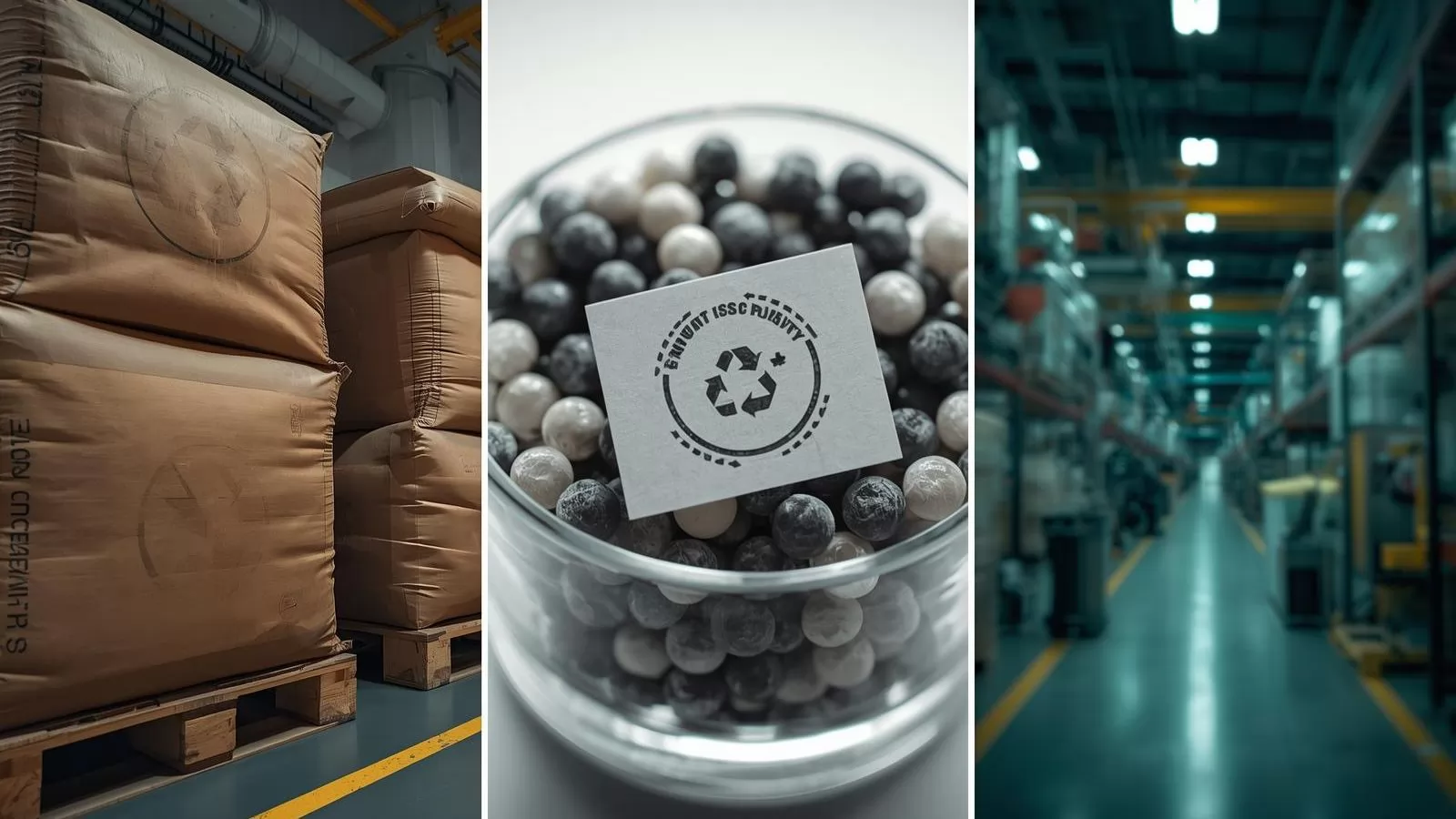
GRS and ISCC PLUS certified recycled plastic pellets — TC-Rester® rPET, Ploypoy® rPP, Poisye® rPE, IBISS® rABS, PCR PC® rPC, and Nairong® rPA — with carbon footprint documentation via PCFNow platform. PFAS Free certified. RoHS and REACH compliant. Request samples and supplier compliance declarations today.
Regulation (EU) 2025/40 entered into force on 11 February 2025. Its general date of application — when the first tranche of obligations becomes enforceable — is 12 August 2026. Obligations are staggered across a multi-year timeline: 2026 covers producer registration and EPR, PFAS ban in food-contact packaging, void fill (max 40% empty space), SoC restrictions, and supplier documentation requirements; 2027 brings mandatory digital labelling (QR codes); 2028 requires harmonised EU recyclability pictograms and the European Commission publishes Design for Recycling criteria; 2030 is the major compliance cliff, introducing mandatory minimum PCR content in plastic packaging, recyclability grade requirements (A–C only), and binding reuse targets; 2035 requires packaging to be recycled at scale in real infrastructure; 2038 restricts to recyclability grades A and B only; 2040 escalates PCR content targets substantially (e.g., 65% for single-use beverage bottles).
Yes. The EU packaging regulation applies to any company placing packaging or packaged goods on the EU market, regardless of where that company is established. Non-EU exporters — including manufacturers based in China, other Asian countries, the US, and other non-EU markets — are within the scope of PPWR obligations when their products or packaging enters the EU market. Non-EU companies must appoint an authorized representative established within the EU, who serves as the legal contact for EU market surveillance authorities and takes responsibility for maintaining the compliance documentation file. Packaging must fully comply with PPWR requirements before it enters the EU market — compliance is not the sole responsibility of the EU importer, and customs clearance does not substitute for regulatory conformity.
Mandatory minimum recycled content in plastic packaging applies from 1 January 2030. The requirements are category-specific: contact-sensitive PET packaging (such as food trays) must contain at least 30% post-consumer recycled content; single-use plastic beverage bottles must contain at least 30% PCR content; all other plastic packaging must contain at least 35% PCR content. These targets escalate in 2040 — single-use beverage bottles reach 65% PCR content, and other plastic packaging categories face substantially higher minimums. The recycled content must derive from post-consumer plastic waste, not post-industrial or manufacturing scrap. Certification of PCR content — through GRS, ISCC PLUS, or UL 2809 — is required to substantiate compliance claims under Article 16 documentation requirements.
Under Article 16 of Regulation (EU) 2025/40, packaging material suppliers must provide information and documentation certifying the conformity of their materials with PPWR requirements. This includes recycled content declarations stating the post-consumer recycled content percentage and its certification basis, material composition data identifying all constituent substances, substance compliance certifications confirming the absence or controlled presence of substances of concern and PFAS, and REACH and RoHS compliance documentation where applicable. GRS (Global Recycled Standard) or ISCC PLUS certificates from PCR material suppliers directly satisfy the recycled content declaration requirement — they provide third-party verified PCR content claims that downstream customers can include in their own compliance documentation files. Topcentral provides GRS and ISCC PLUS certified PCR plastic pellets across rPET, rPP, rPE, rABS, and rPC grades, with full Article 16-compatible documentation packages available on request.
Material qualification for PPWR 2030 compliance should begin now — in 2025 or early 2026 at the latest. The qualification process for a PCR plastic pellet in a production packaging line encompasses multiple stages: resin processing trials to confirm compatibility with existing equipment and process parameters, mold and tooling assessment for any dimensional adjustments, mechanical and functional property testing against packaging performance specifications, barrier property verification for food-contact applications, packaging line trial runs and defect analysis, supplier audit and certification verification, and procurement of GRS or ISCC PLUS certificates. This full cycle takes a minimum of 12 months and typically 18–24 months when audits, certification renewals, and commercial supply agreements are included. Companies targeting 1 January 2030 compliance that begin qualification in 2025–2026 have adequate lead time. Companies that defer until 2027 or 2028 will be qualifying in a market where certified PCR pellet supply is already under demand pressure from the entire EU packaging industry simultaneously. Contact Topcentral to request certified PCR material samples and begin the qualification process.
Discover this amazing content and share it with your network!

How to calculate and compare carbon footprints of recycled vs virgin plastics — ISO 14067 methodology, allocation methods, polymer-by-polymer emission factors, and CSRD Scope 3 Category 1 reporting using PCFNow platform data.

GRS Transaction Certificate vs ISCC PLUS Proof of Sustainability — a procurement decision guide for PCR plastic material buyers covering industry acceptance, document formats, UL 2809, and PPWR Article 16 compliance.

Explore sustainable manufacturing's future with our comparison of virgin, recycled, and hybrid plastics: up to 73% carbon reduction, 87% energy savings, and optimal performance in electronics, automotive, and packaging.