/
/
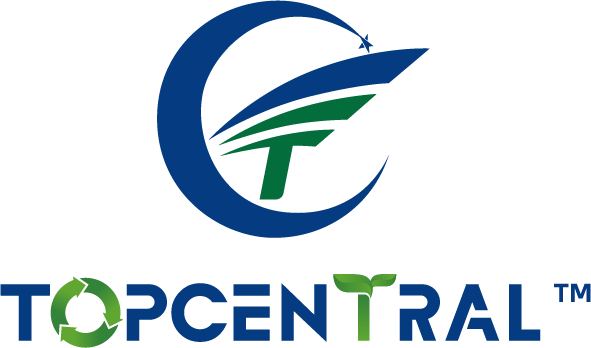
Discover how post-consumer recycled nylon (rPA6/rPA66) delivers exceptional mechanical performance for automotive applications while supporting sustainability goals.
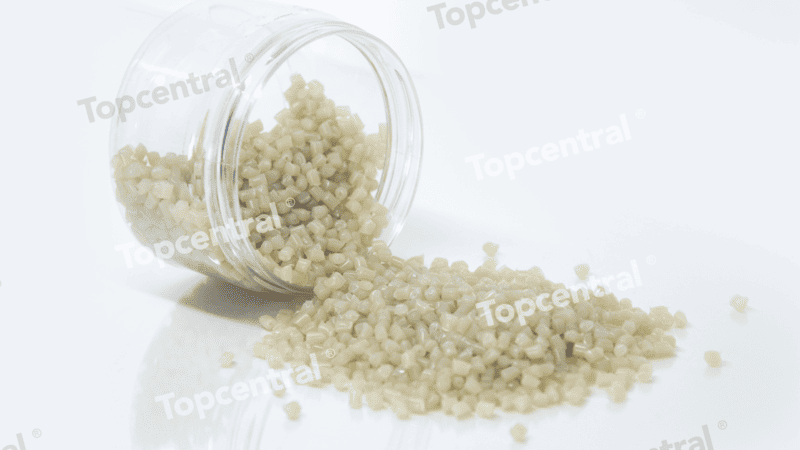
The automotive industry stands at a pivotal moment in its transformation toward sustainable manufacturing practices. As global environmental regulations tighten and consumer demand for eco-friendly vehicles increases, automotive manufacturers are actively seeking materials that balance high-performance requirements with reduced environmental impact. Topcentral, a leading high-tech company specializing in green low-carbon functional materials, has emerged as a key player in providing innovative solutions through its comprehensive range of post-consumer recycled (PCR) materials.
Among the most promising developments in sustainable automotive materials is the advancement of post-consumer recycled nylon, specifically rPA6 (recycled Polyamide 6) and rPA66 (recycled Polyamide 66). These materials, marketed under Topcentral's premium Nairong® brand, represent a significant breakthrough in circular economy applications for the automotive sector. The development of high-quality recycled nylon compounds has reached a point where they can match—or even exceed—the performance characteristics of virgin materials in many critical applications.
This comprehensive analysis examines the technical properties of post-consumer recycled nylon for automotive parts, demonstrating how modern recycling technologies and advanced material science have made sustainable choices viable without compromising quality or safety. We will explore the specific mechanical, thermal, and chemical properties that make rPA6 and rPA66 essential materials for contemporary automotive manufacturing.
Post-consumer recycled nylon from Topcentral's Nairong® product line delivers comparable—or superior—performance to virgin nylon while achieving up to 73% carbon reduction and 87% energy savings, making it an ideal choice for sustainability-focused automotive manufacturers.
Post-consumer recycled nylon refers to polyamide materials that have been recovered from end-of-life products and processed back into usable raw materials. Unlike post-industrial recycled content, which utilizes manufacturing scrap from production processes, post-consumer recycled (PCR) materials give new life to products that have completed their useful life cycle—ranging from automotive components to industrial equipment and consumer goods.
Topcentral's Nairong® rPA6 and rPA66 products are sourced through sophisticated collection and processing networks. The company employs its proprietary ReAutoLoop® technology, specifically designed for automotive source recycling, ensuring a steady supply of high-quality post-consumer nylon feedstock. This technology enables the recovery of nylon from retired vehicles, industrial equipment, and other applications, creating a closed-loop system that significantly reduces waste and environmental impact.
The recycling process involves several critical stages: collection, sorting, cleaning, depolymerization (when necessary), re-polymerization, and compounding. Topcentral's advanced processing techniques, including the innovative FreeCBO2® technology, ensure that the resulting recycled materials meet stringent quality standards equivalent to virgin materials.
Topcentral offers two primary grades of recycled nylon under the Nairong® brand:
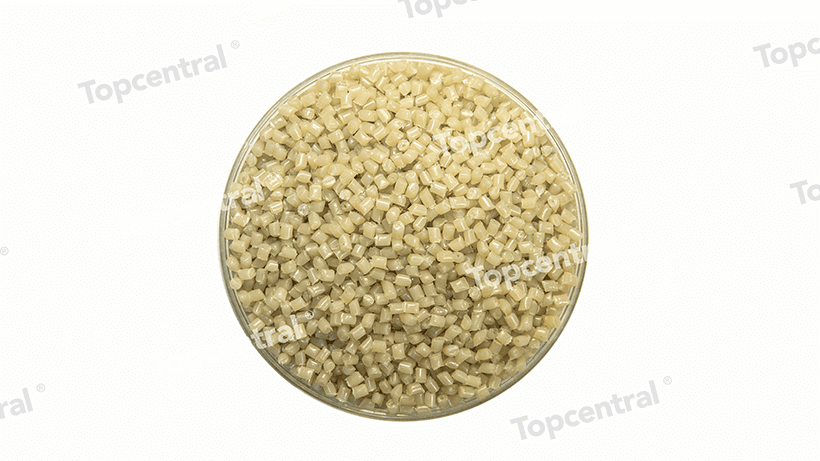
One of the primary drivers behind the adoption of post-consumer recycled nylon in automotive manufacturing is its significant environmental advantage over virgin materials. Topcentral's commitment to sustainability is reflected in the measurable impact of their recycled nylon products.
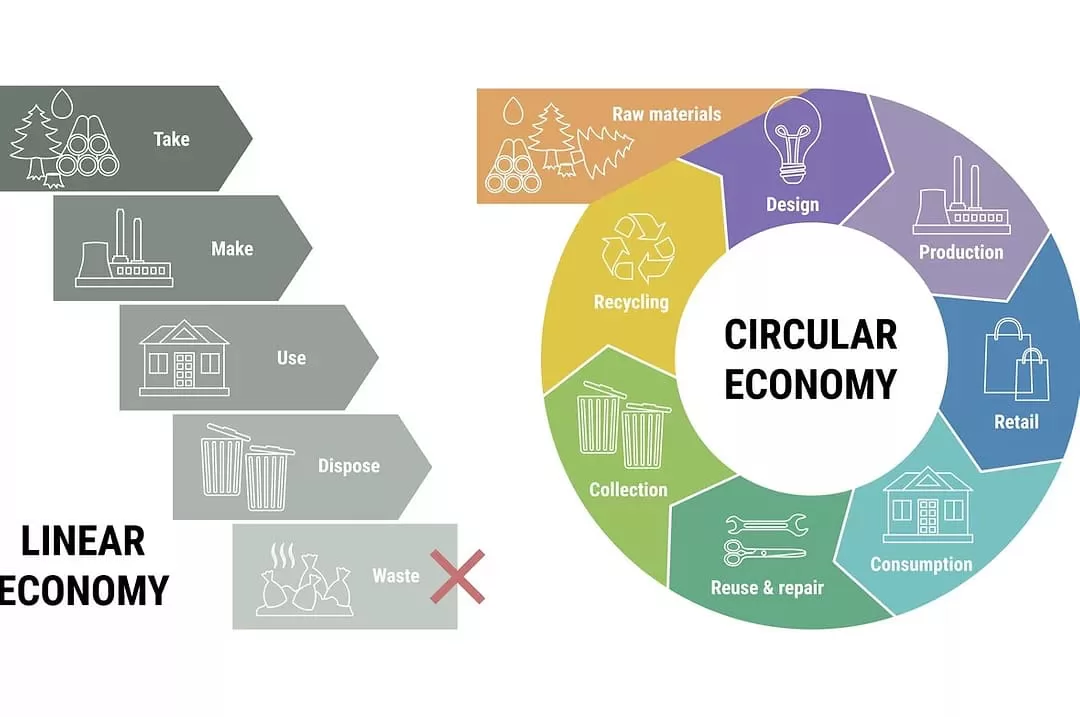
These impressive figures demonstrate that the automotive industry's shift toward recycled materials is not merely a symbolic gesture but a substantive contribution to climate change mitigation. By choosing post-consumer recycled nylon from Topcentral, manufacturers can significantly reduce the carbon footprint of their vehicles without compromising on quality or performance.
Topcentral's recycled nylon products carry multiple internationally recognized certifications that verify their sustainability credentials and quality standards:
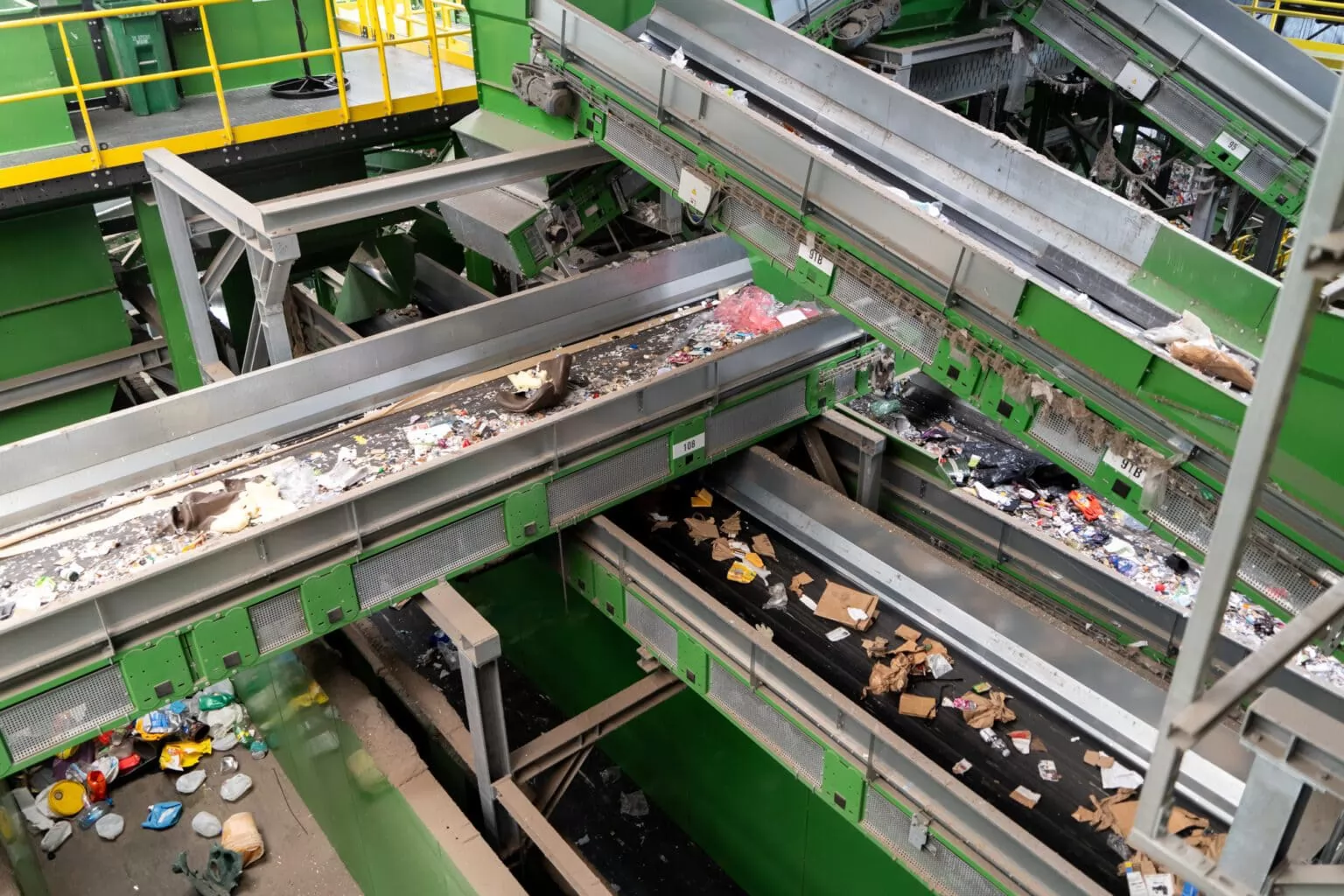
These certifications ensure that the recycled content is properly verified, the supply chain is traceable, and the materials meet the rigorous standards required for automotive applications. The GRS (Global Recycled Standard) certification provides chain-of-custody verification, while UL 2809 specifically validates recycled content claims. ISCC PLUS certification ensures compliance with sustainability criteria throughout the supply chain.
For automotive applications, material selection hinges on a comprehensive evaluation of mechanical, thermal, and chemical properties. Post-consumer recycled nylon from Topcentral's Nairong® line has been engineered to meet or exceed the demanding requirements of automotive OEM specifications.
The mechanical performance of recycled nylon is critical for automotive applications where components must withstand significant stress, vibration, and impact forces. Topcentral's rPA66 products demonstrate excellent mechanical properties across various grades:
| Property | Test Method | rPA66-A22N | rPA66-A260N | rPA66-A6BG | Unit |
|---|---|---|---|---|---|
| Color | Visual | Natural | Natural | Black | - |
| Relative Viscosity (R.V.) | ASTM D789 | 2.7~3.3 | 3.0~3.8 | - | 25°C |
| Tensile Strength | ISO 527 | 60 | 65 | 90 | MPa |
| Flexural Strength | ISO 178 | 90 | 95 | 180 | MPa |
| Notched IZOD Impact | ISO 180 | 5 | 5 | 7 | KJ/m² |
| Processing Method | - | Injection | Injection | Injection | - |
| Certifications | - | GRS, UL 2809, ISCC PLUS | GRS, UL 2809, ISCC PLUS | GRS, UL 2809 | - |
Table 1: Technical specifications of Topcentral's Nairong® rPA66 product grades
Tensile Strength: The tensile strength of recycled nylon grades ranges from 60 MPa to 90 MPa, depending on the specific formulation. The rPA66-A6BG grade offers exceptional tensile strength of 90 MPa, making it suitable for structural components that require high load-bearing capacity. This property ensures that automotive parts can withstand significant mechanical stress without deformation or failure.
Flexural Strength: With flexural strength values reaching up to 180 MPa (in the rPA66-A6BG grade), these materials provide excellent stiffness and rigidity. This is particularly important for automotive components that must maintain their shape under dynamic loading conditions, such as brackets, housings, and structural supports.
Impact Resistance: The notched IZOD impact strength of 5-7 KJ/m² indicates good toughness, allowing recycled nylon parts to absorb energy without brittle fracture. This property is essential for automotive safety components and parts exposed to impact during normal use or potential collisions.
Automotive applications often require materials that can perform reliably across extreme temperature ranges. Recycled nylon exhibits excellent thermal properties that make it suitable for under-the-hood applications:
Automotive environments expose materials to a wide range of chemicals, including fuels, oils, coolants, and cleaning agents. Post-consumer recycled nylon demonstrates excellent chemical resistance to many automotive fluids:
| Property | Description | Automotive Benefit |
|---|---|---|
| Wear Resistance | Excellent self-lubricating properties and low friction coefficient | Ideal for moving parts, gears, and bearing surfaces |
| Dimensional Stability | Low warpage and consistent dimensions after molding | Precision components with tight tolerances |
| Electrical Insulation | High volume resistance and dielectric strength | Safe electrical and electronic components |
| Processability | Excellent flow characteristics and mold filling | Complex geometries and thin-wall designs |
| Surface Quality | Smooth, aesthetically pleasing surfaces | Visible interior and exterior components |
Table 2: Additional performance characteristics of recycled nylon for automotive applications
The unique combination of mechanical strength, thermal resistance, and chemical stability makes post-consumer recycled nylon an ideal choice for numerous automotive applications. The following sections detail the primary areas where Nairong® rPA6 and rPA66 are currently being utilized in vehicle manufacturing.
Intake manifolds, engine covers, oil filter housings, and coolant reservoirs benefit from the high heat resistance and mechanical strength of recycled nylon.
Fuel line connectors, fuel tank components, and fuel pump modules utilize the excellent chemical resistance of rPA66 to withstand exposure to various fuel types.
Radiator fans, thermostat housings, and coolant pipes leverage the thermal stability and durability of recycled nylon compounds.
Wire harness connectors, ECU housings, and sensor components rely on the superior electrical insulation properties and dimensional accuracy of nylon materials.
Seat mechanisms, door handles, instrument panel supports, and console parts benefit from the aesthetic surface quality and structural integrity of recycled nylon.
Bracket assemblies, clips, fasteners, and structural supports utilize the high strength-to-weight ratio and fatigue resistance of glass fiber-reinforced nylon grades.
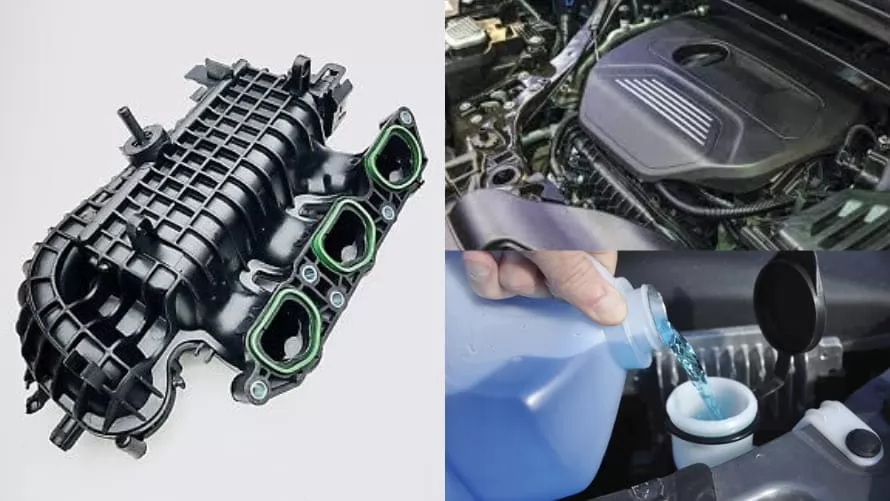
The evolution of recycling technology has reached a point where post-consumer recycled nylon offers several distinct advantages over traditional virgin materials, particularly for automotive manufacturers committed to sustainability.
Modern recycled nylon compounds are engineered to match or exceed the properties of virgin materials. Through advanced compounding techniques and quality control processes, Topcentral ensures consistent performance across all product grades. In some cases, specialized formulations can actually outperform virgin materials in specific properties such as:
Topcentral's commitment to quality extends throughout the entire supply chain, from raw material sourcing to final product delivery. The company implements comprehensive quality control measures to ensure that every batch of recycled nylon meets exacting standards.
Topcentral's advanced traceability systems ensure complete transparency throughout the supply chain. The Back2Circle platform provides digital tracking of materials from collection through processing to final delivery, while the PCFNOW platform enables precise carbon footprint calculation for each product batch.
Post-consumer recycled nylon represents a significant milestone in the automotive industry's journey toward sustainable manufacturing. The technical properties of modern rPA6 and rPA66 compounds demonstrate that environmental responsibility and high-performance engineering are not mutually exclusive. Topcentral's Nairong® product line exemplifies this balance, offering materials that meet the rigorous demands of automotive applications while dramatically reducing environmental impact.
As automotive manufacturers face increasing pressure to meet sustainability targets and comply with evolving environmental regulations, the adoption of high-quality recycled materials will become not just advantageous but essential. The demonstrated performance characteristics—combined with verified sustainability credentials—position post-consumer recycled nylon as a cornerstone material for the next generation of vehicles.
Topcentral remains committed to advancing circular economy solutions through continuous innovation in recycled material technologies. Their investment in R&D, proprietary processing technologies, and comprehensive quality systems ensures that customers receive materials that deliver exceptional performance while contributing to a more sustainable future for the automotive industry.
Discover how Topcentral's Nairong® recycled nylon solutions can help you achieve your sustainability goals without compromising on quality or performance.
Contact Our Technical Team
Discover this amazing content and share it with your network!

How to calculate and compare carbon footprints of recycled vs virgin plastics — ISO 14067 methodology, allocation methods, polymer-by-polymer emission factors, and CSRD Scope 3 Category 1 reporting using PCFNow platform data.

GRS Transaction Certificate vs ISCC PLUS Proof of Sustainability — a procurement decision guide for PCR plastic material buyers covering industry acceptance, document formats, UL 2809, and PPWR Article 16 compliance.

Explore sustainable manufacturing's future with our comparison of virgin, recycled, and hybrid plastics: up to 73% carbon reduction, 87% energy savings, and optimal performance in electronics, automotive, and packaging.