/
/

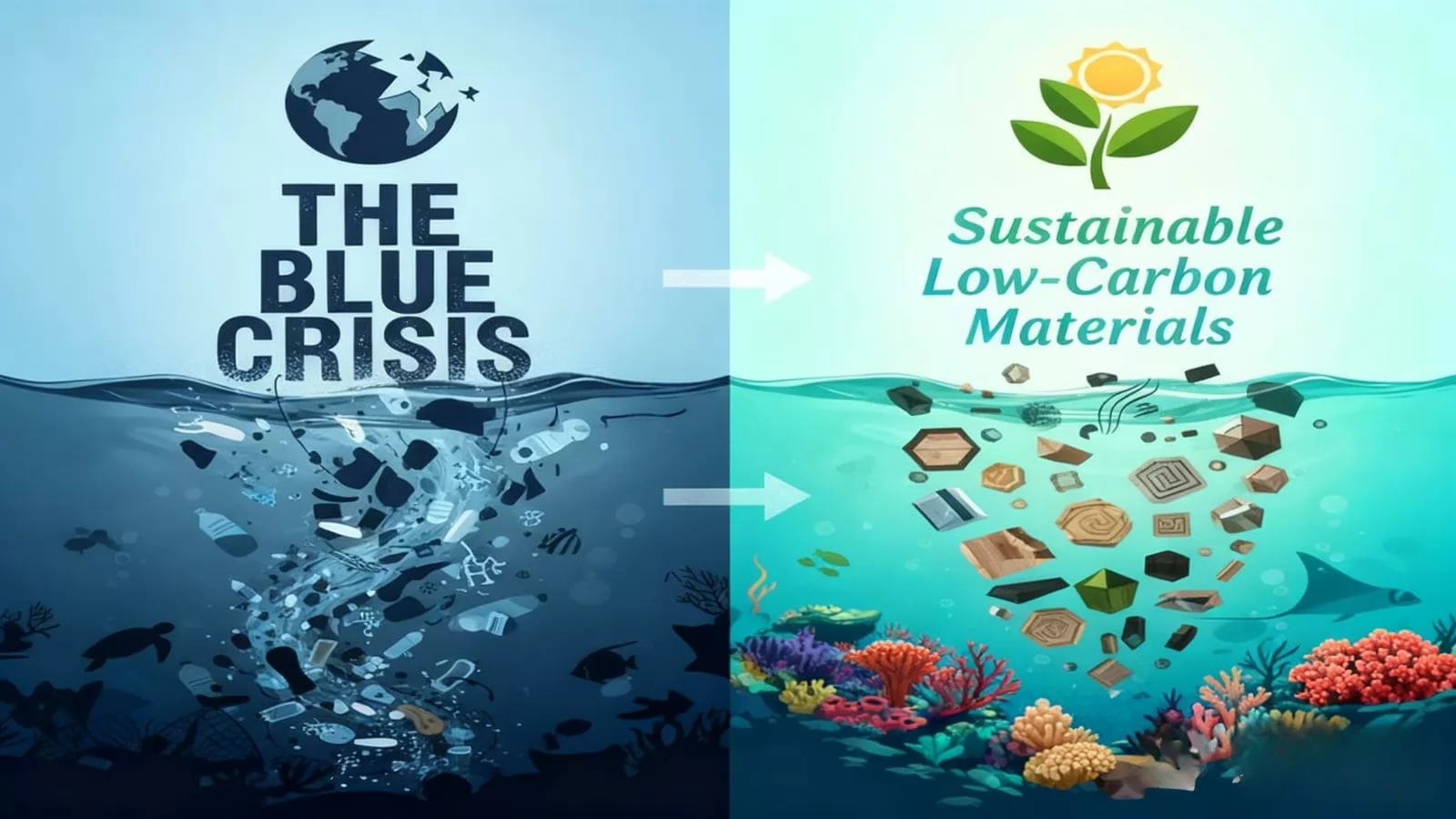
Marine debris is defined as any persistent, manufactured, or processed solid material discarded, disposed of, or abandoned in the marine and coastal environment. While this can include glass, metal, and rubber, plastic constitutes the overwhelming majority, accounting for an estimated 60% to 80% of all marine litter.
Unlike natural materials that biodegrade and return to the earth's cycle, plastic is durable and persistent. It does not disappear; it merely breaks down into smaller and smaller pieces, transforming from visible garbage into an invisible, toxic fog that permeates the water column.
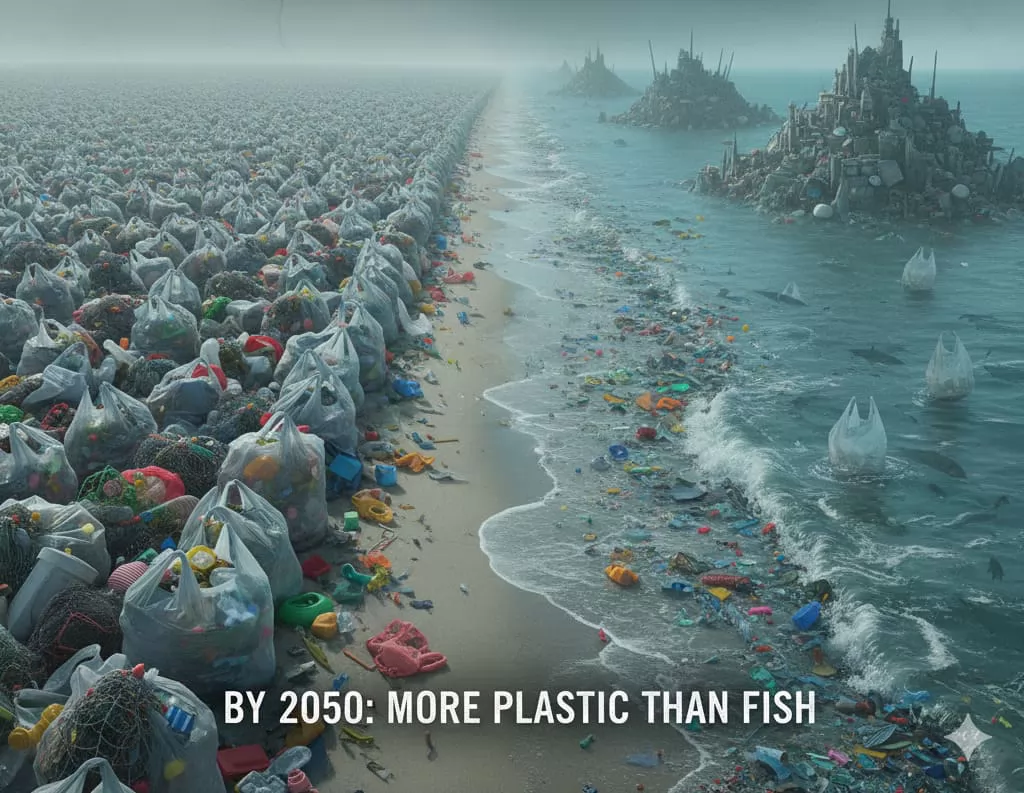
The numbers are terrifying. It is estimated that 8 to 10 million metric tons of plastic enter the ocean every single year. To visualize this, imagine five grocery bags filled with plastic trash sitting on every foot of coastline around the world.
If current trends continue without intervention, the flow of plastic into the ocean is expected to nearly triple by 2040. By 2050, scientists predict that, by weight, there could be more plastic in the ocean than fish. This is not just a pollution issue; it is a fundamental alteration of the planet's biology.
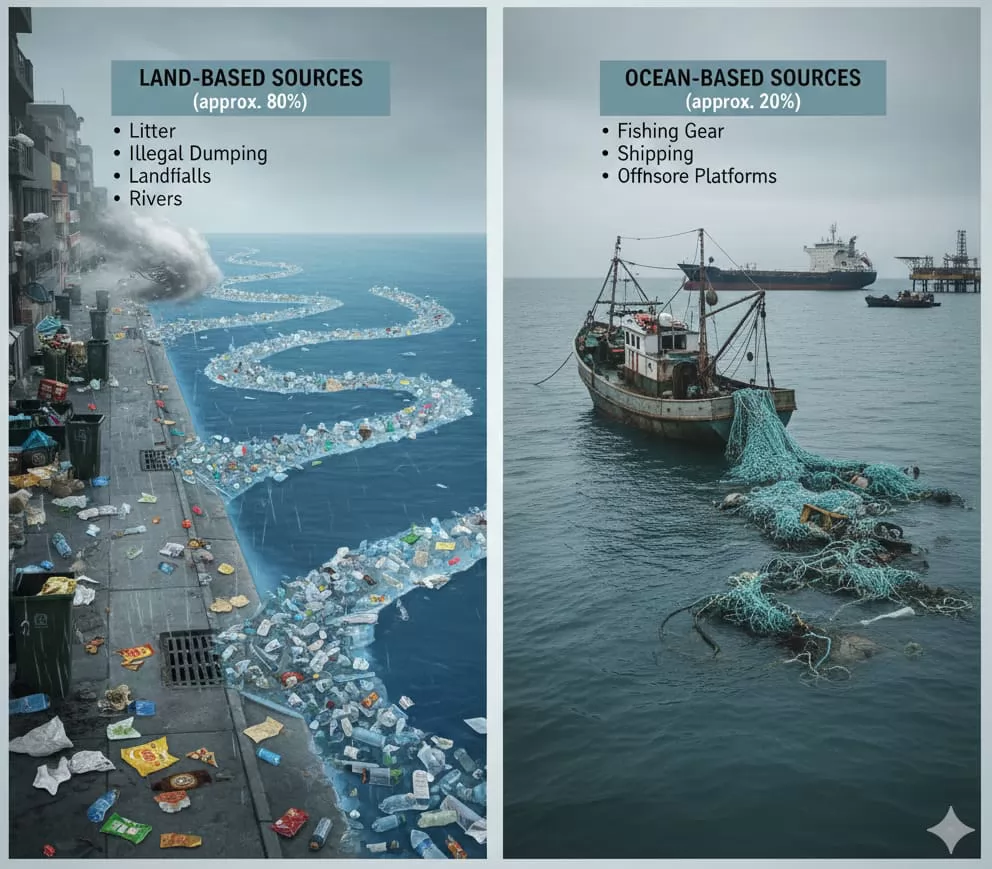
Understanding the source is key to stopping the flow. While some debris comes from maritime activities, the vast majority originates on land.
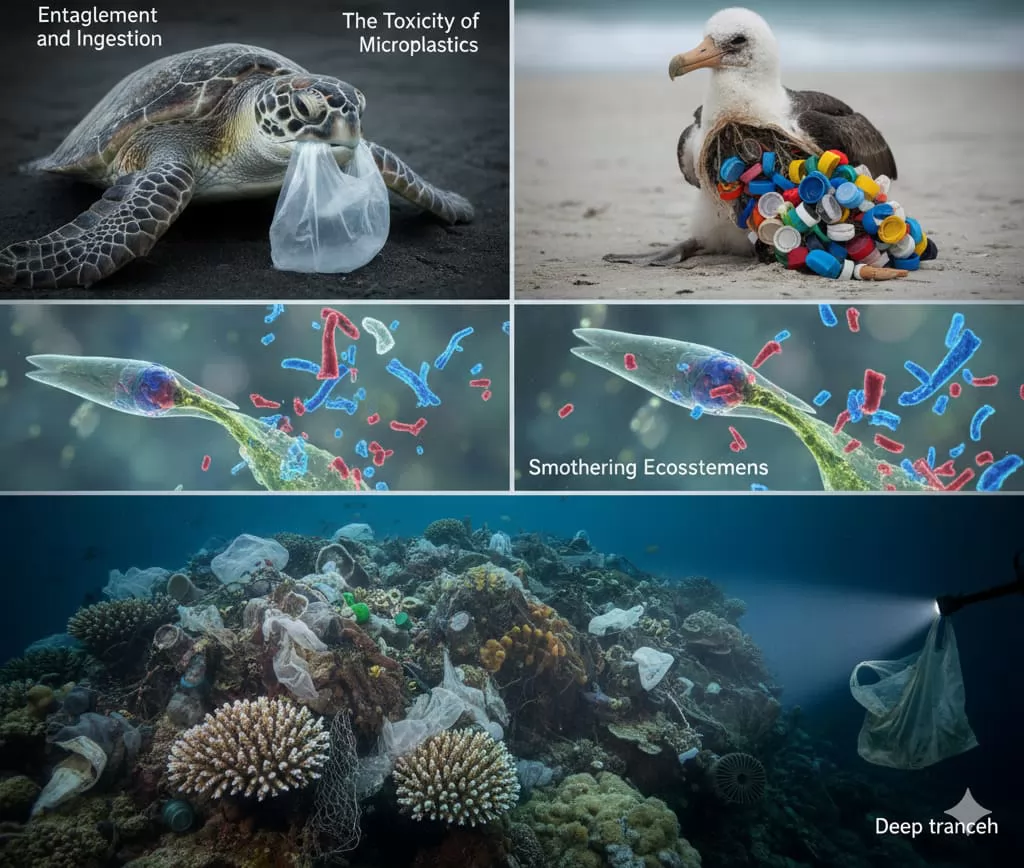
Once plastic enters the marine environment, it wreaks havoc on an ecosystem that has no defense against synthetic materials.
For marine wildlife, plastic is a minefield. Hundreds of species, including seals, whales, turtles, and birds, mistake plastic for food. Sea turtles consume plastic bags, mistaking them for jellyfish, which causes blockages in their digestive systems leading to starvation. Albatross chicks are frequently found dead with stomachs full of plastic caps and lighters fed to them by their parents.
As plastics weather, they fragment into microplastics (less than 5mm). These particles are ingested by zooplankton, the base of the marine food web. The plastics not only physically damage internal organs but also leach toxic additives (like flame retardants) and absorb persistent organic pollutants (POPs) from the seawater. This toxicity travels up the food chain, eventually reaching apex predators, including humans.
Plastic debris settles on coral reefs, blocking sunlight and causing physical damage, which increases the likelihood of disease outbreaks in coral colonies. In deep-sea trenches, plastic bags have been found at depths of 10,000 meters, proving that no corner of the ocean is untouched.
The world is at a critical juncture. On one hand, global plastic production continues to rise, driven by demand for packaging and consumer goods in emerging economies. On the other hand, there is a powerful, growing global consciousness.
International treaties are being negotiated to cap plastic pollution. Consumers are demanding sustainable alternatives. Brands are pledging to increase recycled content. The era of "virgin plastic" dominance is being challenged by the necessity of the "Circular Economy."
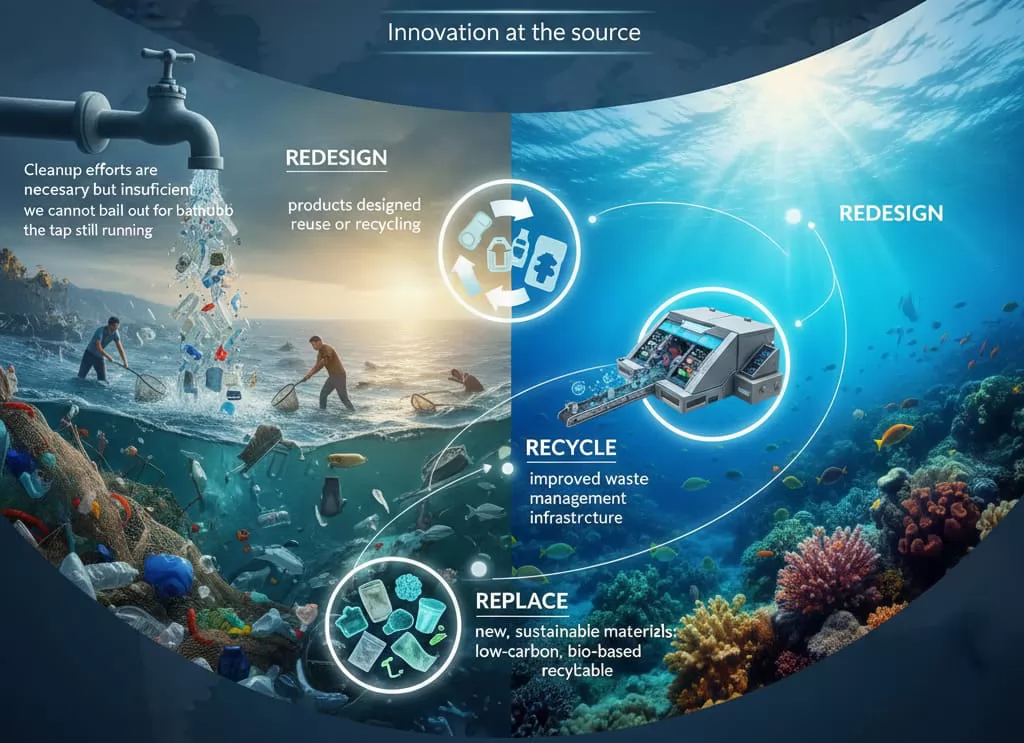
Saving our oceans requires a multi-faceted approach. Cleanup efforts are necessary but insufficient; we cannot bail out a bathtub while the tap is still running. The ultimate solution lies in innovation at the source.
Addressing the dual challenges of marine plastics and high carbon emissions requires a paradigm shift. This is where Ningbo Topcentral New Material Co.,Ltd steps in as a guardian of the future.
Located in Ningbo, Zhejiang, China, Topcentral is a leading high-tech enterprise focusing on sustainable and green low-carbon functional materials. We do not view waste as trash; we view it as a misplaced resource. By harnessing the power of advanced material science, we are turning the tide on pollution.
Our mission is to lead the industry away from the "take-make-waste" model towards a truly circular economy. By transforming post-consumer recycled (PCR) plastics and ocean-bound plastics into high-performance functional materials, we ensure that materials stay in the economy and out of the ocean.
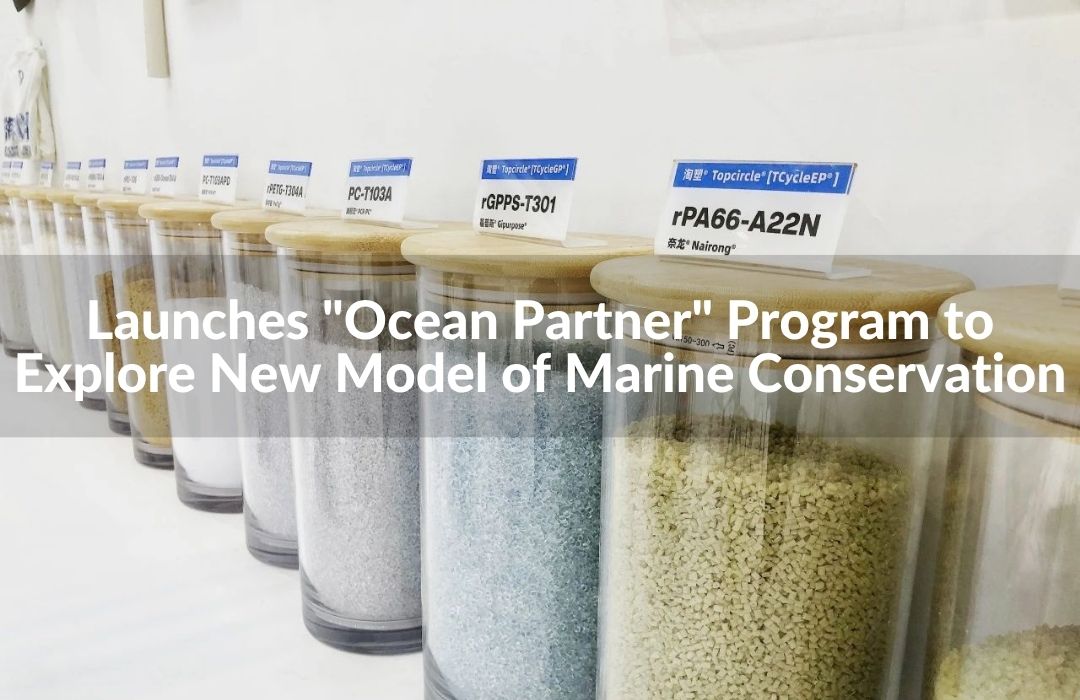
Under our flagship brand Topcircle®, we offer a comprehensive range of PCR products designed to meet the rigorous demands of various industries while minimizing environmental impact:
Trust and transparency are the cornerstones of sustainability. Topcentral® is committed to rigorous third-party verification to ensure that our "green" claims are backed by data and international standards.
Product & Recycling Certifications:
Carbon Management & Sustainability Systems:
Operational Excellence:
The fight against marine plastics is a race against time, but it is a race we can win with innovation and commitment. The ocean does not need more plastic; it needs better solutions, like those engineered by Topcentral.
As China’s Leading Manufacturer of Sustainable Low-Carbon Functional Materials, we are dedicated to developing innovative materials that lead a green and low-carbon future. Whether through our OceanCycle® certified plastics or our carbon-neutral manufacturing processes, every kilogram of material we produce is a step towards a cleaner planet.
We invite partners, brands, and industries worldwide to join us. By choosing Topcircle® and partnering with Topcentral, you are not just selecting a material supplier; you are choosing to be part of the solution to the blue crisis.
Together, let us restore the ocean's vitality and build a sustainable tomorrow.
Discover this amazing content and share it with your network!

How to calculate and compare carbon footprints of recycled vs virgin plastics — ISO 14067 methodology, allocation methods, polymer-by-polymer emission factors, and CSRD Scope 3 Category 1 reporting using PCFNow platform data.

GRS Transaction Certificate vs ISCC PLUS Proof of Sustainability — a procurement decision guide for PCR plastic material buyers covering industry acceptance, document formats, UL 2809, and PPWR Article 16 compliance.

Explore sustainable manufacturing's future with our comparison of virgin, recycled, and hybrid plastics: up to 73% carbon reduction, 87% energy savings, and optimal performance in electronics, automotive, and packaging.