/
/
"I’ve gone back and fixed some hiccups in my earlier posts—thanks for bearing with me while I learn and grow."
The UK’s recycled plastic industry is pivotal in advancing sustainability, transforming post-consumer and industrial waste into high-quality materials. In 2026, leading manufacturers drive the circular economy by producing innovative products like rPET, plastic lumber, and design panels. These companies, including Topcentral and Jayplas, prioritize eco-friendly solutions, reducing landfill waste and supporting industries such as packaging, construction, and automotive. Their advanced recycling technologies and commitment to quality make them global leaders, aligning with the UK’s ambitious environmental goals to minimize plastic pollution and promote sustainable manufacturing practices.
This table lists the top 10 UK recycled plastic manufacturers for 2026, with their key services, focusing on sustainable plastic recycling and product manufacturing.
| Company | UK Location | Capacity (tonnes/year) | Key Materials | Outputs | Source Notes |
|---|---|---|---|---|---|
| Biffa plc | High Wycombe | ~213,000 | HDPE, PET, PP | Food-grade pellets | Closures offset by investments |
| Veolia UK | Shropshire | 80,000 | Mixed PET | Low-carbon flakes | New 2026 facility |
| Berry Circular Polymers | Leamington Spa | 48,000 (PP) | PP | Resins | 40% UK PP waste |
| MBA Polymers UK | Worksop | 50,000+ (exp. 100,000) | ABS, HIPS, PP | Compounds | Expansion ongoing |
| Jayplas | Corby | >250,000 | PET | rPET resins | Swansea doubling |
| Viridor | Taunton | 80,000 (former) | Polyolefins | Pellets | Closures, chemical shift |
| Vanden Recycling | Lisburn et al. | Not specified | ABS, HDPE | Granules | UK closure 2025 |
| Luxus | Louth | Not specified | Thermoplastics | Compounds | Innovation focus |
| Plastic Energy | London | 30,000 (partnerships) | Mixed | TACOIL | Chemical recycling |
| DS Smith | London | Not specified | Various | Packaging | Supply chain leader |
Biffa plc is a leading integrated waste management company in the UK, with a strong emphasis on collection, treatment, recycling, and energy recovery from waste. As of January 2026, the company operates nationwide, serving thousands of businesses and millions of households, and is recognized for its contributions to the circular economy, particularly in plastic recycling.
Research suggests Biffa maintains a significant position in UK plastic recycling, with current processing capacity of over 190,000 tonnes per year across its facilities, focusing on high-quality food-grade polymers like rHDPE and rPET. The evidence leans toward ongoing challenges in the sector, including some plant closures due to economic pressures, but Biffa continues to highlight successes such as recycling 10 billion HDPE milk bottles through closed-loop systems. It seems likely that domestic recycling could expand substantially with supportive policies, though the industry faces headwinds from low-cost imports and market imbalances. Biffa advocates for ending unprocessed plastic waste exports to boost UK capacity and jobs.
| Facility | Location | Focus / Output | Key Details |
|---|---|---|---|
| Redcar | Teesside | rHDPE (food-grade) | Pioneered world-first post-consumer food-grade rHDPE from milk bottles, tubs, and trays; Queen’s Award for Innovation |
| Seaham | County Durham | rPET (bottle-to-bottle) | £27.5m investment, opened 2020; ~57,000 tonnes/year PET capacity (~1.3 billion bottles); EFSA food-grade approved (2022) |
| Sherburn | North Yorkshire | rPET pellets from flakes | Acquired in 2023 via Esterpet Ltd; complements Seaham operations |
| Washington | Tyne and Wear | PET flake recovery | Innovative technology to capture additional recyclable PET flakes |
Biffa plc stands as one of the UK's foremost integrated waste management providers, with deep roots dating back to 1912 when it began as a family business focused on ash and clinker removal from London power stations. Over more than a century, the company has evolved through organic growth, acquisitions (e.g., Greenstar UK in 2010), and strategic investments to become a nationwide leader in sustainable waste solutions. Following its initial public listing in 2016 and subsequent delisting, Biffa was acquired in January 2023 by private equity firm Energy Capital Partners (ECP), transitioning to private ownership while maintaining its focus on circular economy principles.
The company's operations span waste collection from commercial, industrial, and public sector clients (including millions of households), treatment, material recovery, energy generation from waste, and specialized recycling—particularly plastics. Biffa covers approximately 95% of the UK geography and employs around 10,000–11,000 people, positioning it as a major employer in the sector.
Biffa Polymers represents the core of the company's recycling capabilities, operating multiple advanced facilities dedicated to processing post-consumer plastics into high-quality, often food-grade, recycled polymers. The division has seen substantial growth through targeted investments exceeding £50–£54.5 million in recent years.
Overall, Biffa converts over 190,000 tonnes (with some sources citing up to 213,000 tonnes) of plastics annually into recycled polymers, having tripled capacity from 63,000 tonnes since 2019. This positions Biffa as a market leader in food-grade rHDPE and rPET.
A landmark achievement announced in December 2025 was recycling 10 billion HDPE milk bottles over 20 years through closed-loop systems with supply chain partners. This milestone underscores long-term commitment to innovation, though the company notes such successes remain "an anomaly" needing to become standard.
The UK and European plastics recycling sector has experienced significant strain in 2024–2025, with multiple facility closures (including Biffa's Sunderland plant in early 2025, opened in 2022 at £7m cost). Factors include low virgin plastic prices, high energy costs, and incentives favoring exports of unprocessed waste. Biffa has actively advocated for reforms: progressive plastics taxes, ending exports where domestic capacity exists, addressing Packaging Recovery Note (PRN) imbalances, and using Extended Producer Responsibility (EPR) funds effectively.
Biffa targets net zero by 2050, with ongoing investments in low-carbon collections, energy recovery, and circular solutions (e.g., eco-friendly bins from 80% recycled HDPE). It supports government initiatives like Simpler Recycling (2025) and collaborates on innovations such as takeaway cup recycling services.
This profile reflects Biffa's role as a resilient, forward-looking player in a challenging but critical industry, balancing operational scale with advocacy for systemic change to enhance UK domestic recycling.
Veolia UK is the British subsidiary of the global Veolia Group, a leading multinational in resource management, focusing on waste, water, and energy services. As of January 11, 2026, Veolia UK plays a prominent role in advancing the circular economy, particularly through significant investments in plastics recycling. Research suggests the company is a key player in addressing the UK's domestic recycling gaps, with its flagship £70 million Battlefield facility in Shropshire nearing operational status in early 2026. The evidence leans toward this project being a major step forward amid industry challenges like facility closures elsewhere, though the full impact will depend on market conditions and policy support. It seems likely that this initiative will boost food-grade rPET supply, but the sector remains sensitive to virgin plastic prices and regulatory implementation.
Veolia UK provides integrated services in waste collection, treatment, recycling, energy recovery, and water management, serving households, businesses, and public sectors nationwide. It emphasizes sustainable solutions aligned with UK regulations like the Plastic Packaging Tax and Simpler Recycling legislation.
| Facility | Location | Focus | Key Metrics |
|---|---|---|---|
| Battlefield Facility | Battlefield, Shropshire | Closed-loop "tray-to-tray" PET recycling | 80,000 tonnes/year mixed plastics; food-grade rPET; 70% CO₂ savings vs. virgin |
| Dagenham Plastics Facility | East London | HDPE milk bottle recycling | ~300 million bottles/year; food-grade HDPE pellets; 75% energy savings vs. virgin |
Major Plastics Recycling Project: Battlefield Facility
The Battlefield site (former Stadco industrial facility) represents Veolia's largest UK plastics recycling investment to date. It introduces advanced technology to recycle PET trays — previously challenging due to strict food-safety standards — into high-quality, food-grade packaging for the grocery sector.
Other Plastics Operations
Veolia UK operates additional facilities, such as the Dagenham Plastics Facility, which recycles around 300 million plastic milk bottles annually into food-grade HDPE pellets, achieving 75% energy savings versus virgin production.
Challenges and Advocacy
The UK plastics recycling sector faces pressures from low virgin material prices and economic factors. Veolia has called for stronger incentives, including escalation of the Plastic Packaging Tax, to support domestic capacity.
Veolia UK operates as the British arm of Veolia Environnement, a French multinational specializing in optimized resource management across waste, water, and energy. In the UK, the company delivers comprehensive services including household and commercial waste collection, material recovery, energy-from-waste, hazardous waste treatment, and water/wastewater management. It serves millions of households and thousands of businesses, with a strong emphasis on circular economy principles to reduce waste, recover resources, and lower carbon emissions.
Announced in July 2025, this £70 million project transforms a disused industrial site in Battlefield, near Shrewsbury, Shropshire, into the UK's first dedicated "tray-to-tray" closed-loop PET recycling plant. The facility addresses a long-standing infrastructure gap: while PET bottle recycling is established, no large-scale UK operation previously existed to recycle PET trays (common in food packaging) back into food-grade materials due to stringent contamination and safety standards.
The project was unveiled during French President Emmanuel Macron's state visit to the UK in 2025, symbolizing cross-channel cooperation on sustainability. Veolia's UK CEO Gavin Graveson highlighted the urgency: amid macroeconomic pressures and facility exits by other operators, innovative domestic capacity is essential for the circular economy.
Beyond Battlefield, Veolia UK maintains established operations:
These activities support Veolia's broader goal of recycling over 2 million tonnes of waste annually in the UK while generating significant renewable energy.
The UK generates around 2.2 million tonnes of plastic packaging annually, but domestic closed-loop recycling remains underdeveloped for certain streams like PET trays. Veolia's investment comes at a time when several recyclers have faced closures due to low virgin polymer prices, high energy costs, and market volatility. The company advocates for policy enhancements — including timely increases to the Plastic Packaging Tax — to incentivize domestic processing and reduce reliance on exports.
With the Battlefield facility set to come online in early 2026, Veolia UK is positioned to strengthen food-grade rPET supply chains for the grocery sector, contribute to net-zero targets, and demonstrate leadership in circular innovation. This aligns with Veolia Group's global "GreenUp" strategy for sustainable resource management.
Berry Circular Polymers is the UK-focused recycling division of Berry Global Group, Inc., a major global packaging and engineered products company. As of January 2026, it operates as one of the UK's leading specialist plastic recyclers, with its flagship facility in Leamington Spa, Warwickshire, utilizing proprietary CleanStream® technology to produce high-quality post-consumer recycled (PCR) polypropylene (PP) suitable for contact-sensitive applications.
Research suggests Berry Circular Polymers is a leader in mechanical recycling of rigid plastics in the UK, with the Leamington Spa site capable of processing nearly 40% of all domestic PP waste collected from UK household recycling bins. The evidence leans toward strong performance in sustainability, highlighted by winning Plastics Recycling Business of the Year in 2024, though exact current annual capacity figures for the entire UK rigid operations remain approximate (historical group estimates around 200,000 tonnes Europe-wide including flexible films). It seems likely that the division continues to scale under Berry's Impact 2025 strategy, with ongoing emphasis on closed-loop systems and carbon reduction (up to 35% lower CO₂ emissions vs. virgin plastic), amid broader industry challenges like market volatility.
Berry Circular Polymers integrates former Plasgran sites (renamed in 2022) and complements flexible film recycling at other UK locations (Heanor, Dumfries, Rhymney). European expansions in 2024 added ~6,600 tonnes/year of recycled content capacity across UK, Germany, and Poland facilities.
| Aspect | Details | Approximate Scale | Source Notes |
|---|---|---|---|
| Main Facility Location | Leamington Spa, Warwickshire | Flagship rigid PP site | Multiple 2023–2025 reports |
| Technology | CleanStream® (closed-loop mechanical) | High-purity PP for contact-sensitive | Official announcements & Quantis LCA |
| PP Waste Processing Potential | Nearly 40% of UK domestic collected PP | — | Berry & industry reports (based on 2017 WRAP data) |
| Carbon Reduction | Up to 35% vs. virgin PP | ~36,000 tonnes CO₂/year at scale | Quantis life-cycle analysis |
| European Recycling Expansion | +6,600 tonnes/year (2024) | Across UK, Germany, Poland | 2024 pan-European project |
| Group European Capacity Context | ~200,000 tonnes/year (rigid + flexible) | — | Historical 2022 estimate (Berry announcements) |
| Major Award | Plastics Recycling Business of the Year 2024 | Leamington Spa facility | letsrecycle.com Awards |
Berry Circular Polymers represents Berry Global's strategic push into high-quality, closed-loop mechanical recycling in the United Kingdom, evolving from the 2019 acquisition and subsequent rebranding of Plasgran Limited (established 1999) into a unified brand emphasizing circular polymers. The division operates under Berry Global Group, Inc. (NYSE: BERY), a multinational with over 265 facilities worldwide, focusing on sustainable packaging solutions aligned with regulations like the UK's Plastic Packaging Tax and broader circular economy objectives.
Opened in early 2023, the purpose-built site in Leamington Spa, Warwickshire, serves as the cornerstone of Berry Circular Polymers' rigid plastics recycling operations. It employs the proprietary CleanStream® technology — described as one of the world's first closed-loop mechanical systems capable of processing domestically collected household waste polypropylene (PP) back into high-purity material suitable for contact-sensitive applications.
The process involves multiple advanced sorting stages (including AI-driven automated identification), washing, decontamination, and final flake purification using state-of-the-art equipment (e.g., TOMRA INNOSORT FLAKE sorters with dual full-color cameras for polymer, color, and opacity separation). This results in recycled PP with performance comparable to virgin material, enabling higher recycled content percentages in packaging without compromising strength, durability, or safety.
A detailed life-cycle analysis by Quantis confirms that packaging incorporating CleanStream® recycled PP generates approximately 35% lower carbon dioxide emissions than virgin PP equivalents — translating to potential annual savings of up to 36,000 tonnes of CO₂ when operating at full scale. The facility received a Letter of No Objection from the U.S. FDA for up to 100% use in food-grade applications (based on the US CleanStream process), with ongoing efforts toward full EU food-contact approvals.
The site has the capacity to recycle nearly 40% of all PP waste collected from domestic recycling bins across the United Kingdom (based on 2017 WRAP/PlasticFlow data). It was not yet at full capacity in early 2024, with volumes expected to rise significantly as partnerships and feedstock supply expand. The facility has hosted industry open days (including BPF and RECOUP member visits in 2024–2025) to showcase the process and promote education on circular solutions.
In September 2022, Berry rebranded its UK rigid plastics recycling operations from Plasgran to Berry Circular Polymers to reflect its leadership in developing secure, high-quality circular polymers. This coincided with preparations for the Leamington Spa launch (initially planned for late 2022). The former Wimblington, Cambridgeshire site (Plasgran legacy) was part of the portfolio, though some consolidation considerations were noted in 2023–2024.
Berry Circular Polymers complements Berry's flexible film recycling network across Europe, including UK sites in Heanor, Dumfries, and Rhymney. A 2024 pan-European expansion project increased recycled plastic output by approximately 6,600 metric tonnes per year across facilities in the UK (Heanor), Germany (Steinfeld), and Poland (Zdzieszowice). This supports the Sustane® range of recycled polymers for applications like stretch hoods, shrink wrap, and sacks — many now containing over 30% recycled content — aligning with Berry's target of 30% recycled content options across all European flexible films by 2025.
Combined rigid and flexible operations position Berry as one of Europe's largest plastics recyclers, with group-level estimates citing the ability to handle around 200,000 tonnes of material annually across relevant European sites (as stated in 2022 announcements).
In July 2024, the Leamington Spa facility was awarded Plastics Recycling Business of the Year at the letsrecycle.com Awards for Excellence in Recycling and Waste Management, recognizing its innovation, scale, and contribution to keeping plastics in circulation through CleanStream® technology.
The division advances Berry Global's Impact 2025 strategy, which emphasizes circular materials, emissions reduction, and value-chain collaboration. Berry has achieved significant milestones, including surpassing its 2025 Scope 1 & 2 GHG emissions reduction target early. The company aims for 30% circular plastics across fast-moving consumer goods packaging by 2030 and net-zero emissions by 2050.
While the Leamington Spa site demonstrates technical leadership, the broader UK recycling sector faces economic pressures (low virgin prices, energy costs). Berry continues investing in infrastructure and partnerships to scale domestic capacity and support legislative drivers like minimum recycled content requirements.
This profile is based exclusively on cross-verified public sources from Berry Global announcements, industry media, and sustainability reports as of early 2026.
MBA Polymers UK Ltd is a leading UK-based plastics recycling company specializing in recovering high-quality post-consumer recycled polymers (primarily ABS, HIPS, PP, PE, and others) from complex waste streams such as automotive shredder residue (ASR) and waste electrical and electronic equipment (WEEE). As of January 2026, the company operates multiple sites across the UK and is actively pursuing expansion toward a target of 100,000 tonnes of annual recycled plastic production by 2030. Research suggests it remains one of the most advanced facilities globally for separating and purifying plastics from shredder residue, with significant carbon savings (up to 85% vs. virgin equivalents) verified by independent assessments.
The core facility in Worksop uses advanced, proprietary separation technology (over 20 complex procedures) to recover plastics from difficult waste streams that would otherwise go to landfill. The company emphasizes quality, consistency, and traceability, treating and recycling all material within the UK.
In 2023, MBA Polymers UK added a fourth UK site in Wimblington, Cambridgeshire (former Plasgran/Berry location), increasing overall capacity by 35% at the time and accelerating progress toward the 2030 target.
While the company has demonstrated technical leadership, the UK plastics recycling sector continues to face economic pressures. MBA Polymers UK focuses on domestic processing and carbon reduction to support circular economy goals.
| Aspect | Details | Approximate Scale | Notes / Year |
|---|---|---|---|
| Primary Site | Worksop, Nottinghamshire | Main production unit | ~40,000–50,000 tpa (historical) |
| Total UK Sites (2023+) | Worksop, Dover, Duddeston, Wimblington | 4 locations | Wimblington added 35% capacity boost |
| 2030 Target | Annual recycled plastic production | 100,000 tonnes | Stated goal since 2023 |
| Carbon Savings | vs. virgin equivalents | 75–86% | Carbon Trust certified |
| Historical Diversion | Plastics from landfill (first decade) | >250,000 tonnes | Up to ~2020 |
| Ownership | European Metal Recycling (EMR) | — | Since Dec 2017 |
| Technology | License from MBA Inc. | — | Patented separation know-how |
MBA Polymers UK Ltd stands as a specialist in advanced mechanical recycling of post-consumer plastics from challenging sources, particularly end-of-life vehicles (ELVs) and electronics. Established in the UK in 2010 as a joint venture, the company became fully owned by European Metal Recycling (EMR) in December 2017 through a long-term technology licensing and cooperation agreement with the original MBA Polymers Inc. (founded 1997 in California). This partnership leverages patented separation know-how developed over more than two decades.
The flagship production unit is located at Sandy Lane, Worksop, S80 3ET, Nottinghamshire. Described as one of the world's most advanced plastics recycling facilities focused on shredder residue, it occupies a 13-acre site with approximately 11,700 m² under roof. The Worksop plant was originally designed with an initial capacity of 60,000 tonnes per year, expandable to 80,000 tonnes, though more recent public figures commonly cite an immediate processing capacity of around 40,000 tonnes per year for ASR and WEEE plastics.
The facility employs highly automated, multi-stage separation processes to recover and purify post-consumer plastics (including ABS, HIPS, PP, PE, PS) and rubber from mixed waste streams. Output materials are supplied as high-quality, durable recycled polymers to major manufacturers in automotive, electronics, and logistics sectors.
MBA Polymers UK has pursued a deliberate strategy to build a nationwide recycling network:
This fourth location aligns with the company's ambition to reach 100,000 tonnes of annual recycled plastic output by 2030. The 2023 expansion was described as a pivotal step toward nationwide coverage, improving efficiency, reducing long-distance feedstock transport, and meeting rising demand for low-carbon materials.
MBA Polymers UK products are the first recycled plastics worldwide to receive the Carbon Trust Lower CO₂ label, with independent life-cycle assessments confirming carbon savings of 75–86% compared to virgin equivalents. In its first decade (up to ~2020), the company diverted more than 250,000 tonnes of plastics from landfill.
The company emphasizes full UK-based treatment and recycling, providing transparency and traceability for closed-loop supply chains (post-production waste from manufacturers recycled and potentially bought back).
Recycled polymers (rPP, rPE, rPS, ABS) serve demanding sectors requiring high performance and durability:
No major new capacity announcements have appeared publicly since the 2023 Wimblington expansion. The company continues to operate its network of four UK sites, focusing on quality, innovation, and gradual scaling toward the 2030 goal. Official UK company filings (Companies House) confirm ongoing active status with accounts up to December 2024 and next due September 2026.
This report is compiled exclusively from cross-verified industry publications, company statements, and official records as of January 2026.
Jayplas (trading name for J&A Young (Leicester) Ltd) is a leading independent UK-based post-consumer plastic recycling company, established in 1975. As of January 11, 2026, the company operates multiple facilities across the UK, focusing on collection, sorting, washing, reprocessing, and manufacturing of recycled polymers (primarily rPET, rLDPE, rHDPE, and rPP) and 100% recycled-content flexible packaging products. Research suggests Jayplas maintains one of the largest integrated post-consumer recycling operations in the UK, with an overall group capacity to recycle and convert over 250,000 tonnes per year of plastic packaging. The evidence leans toward continued strong growth through major investments, including a flagship new facility in Wales, though exact breakdowns by polymer type and site remain partially aggregated in public sources. It seems likely that the company will further expand domestic closed-loop capabilities in response to regulations like the Plastic Packaging Tax and Extended Producer Responsibility (EPR).
Jayplas provides a full 360° service: nationwide collection/logistics, automated optical sorting of mixed rigid and flexible bales (including complex multilayer films), hot-wash reprocessing into food-grade/super-clean flakes and pellets, and in-house manufacturing of recycled packaging products.
The company supports the UK Plastics Pact, reduces landfill/incineration, and enables clients to meet sustainability targets. New Wales facility expected to save ~150,000–155,000 tonnes CO₂/year (equivalent to removing tens of thousands of cars from roads).
| Aspect | Details | Approximate Scale | Notes / Year |
|---|---|---|---|
| Group Annual Capacity | Recycling & conversion of plastic packaging | Over 250,000 tonnes/year | Consistent across 2024–2025 sources |
| Main Polymers | rPET (flakes/pellets/film), rLDPE, rHDPE, rPP | Food-grade & non-food | Hot-wash, RecyClass approved |
| Number of UK Sites | Collection, sorting, reprocessing, manufacturing | 8 (as of 2024) + Wales expansion | Corby HQ, multiple Midlands/Wales |
| Major Investment | Wales combined facility | £45 million, ≥100,000 tpa | Announced 2023, development ongoing |
| CO₂ Savings (Wales project) | Equivalent to removing cars from roads | ~150,000–155,000 tonnes/year | Official estimates |
| Jobs (Wales) | Direct + indirect | 100+ direct, additional chain | Welsh Government announcement |
Jayplas (J&A Young (Leicester) Ltd) is a privately owned, family-run business that has been a cornerstone of the UK post-consumer plastics recycling sector since 1975. With decades of experience, the company has evolved from basic collection and reprocessing into a fully integrated operation covering the entire value chain: collection, advanced sorting, high-tech washing/reprocessing, pellet production, and in-house manufacturing of 100% recycled-content packaging. Jayplas positions itself as a market leader in closing the loop for post-consumer plastic packaging, emphasizing UK domestic processing to reduce exports, support circular economy goals, and help businesses comply with the Plastic Packaging Tax (introduced 2022) and upcoming EPR obligations.
Jayplas operates a comprehensive, end-to-end model:
This model allows Jayplas to supply high-quality recycled polymers back into the supply chain, often directly to brand owners in closed-loop arrangements (e.g., recent collaboration with Leadec recycling LDPE film into 100% PCR sacks for internal use).
The group consistently reports the ability to recycle and convert over 250,000 tonnes per year of plastic packaging, a figure highlighted across official company materials and industry profiles (no major contradictory updates post-2024). Individual site capacities include:
The Wales facility (former industrial sites in Swansea/Merthyr Tydfil area) represents the company's largest single investment, supported by Welsh Government funding, aimed at boosting local jobs (100+ direct) and carbon savings (~150,000–155,000 tonnes CO₂/year).
Jayplas actively supports UK-wide initiatives (Plastic Pact, net-zero targets) and helps clients reduce Plastic Packaging Tax liability through reliable supply of high-recycled-content materials (up to 100%). The company emphasizes domestic circularity, innovation in "hard-to-recycle" streams (e.g., multilayer films), and continuous R&D to improve processes and output quality.
Like much of the UK sector, Jayplas operates in a market affected by virgin resin price volatility, energy costs, and feedstock consistency. However, regulatory drivers (EPR, Simpler Recycling rules) and investments position the company for further growth in domestic closed-loop systems.
This report is compiled exclusively from verified company statements, government announcements, and reputable industry media as of early 2026.
Viridor is a major UK-based recycling, resource recovery, and waste management company, currently owned primarily by global investment firm KKR (with recent minority stake adjustments involving Equitix as of early 2026). As of January 11, 2026, Viridor has significantly scaled back its mechanical plastic recycling operations due to challenging market conditions, including low virgin plastic prices, policy delays, and reduced domestic demand. Research suggests the company has exited most mechanical polymer reprocessing, closing key facilities like Avonmouth (2024), Rochester (announced 2025), and earlier sites like Skelmersdale (2023). The evidence leans toward a strategic refocus on chemical recycling through its subsidiary Quantafuel and partnerships, while maintaining a strong presence in energy-from-waste (EfW) and broader resource recovery. It seems likely that Viridor's future in plastics lies in advanced/chemical technologies rather than traditional mechanical processing, amid ongoing sector-wide pressures.
Viridor was acquired from Pennon Group by KKR in 2020 for £4.2 billion (enterprise value). Recent developments include Equitix acquiring an additional stake in Viridor Energy (the EfW-focused division), building on its existing position.
Viridor previously invested heavily in mechanical recycling, including the £317 million Avonmouth Resource Recovery Centre (opened 2022, 80,000 tonnes/year polyolefins capacity). However, due to "persistently challenging market conditions," policy delays, and competition from imports, the company has closed key sites.
Viridor is redirecting efforts toward chemical recycling via Quantafuel (acquired ~£100 million in 2023), focusing on pyrolysis to convert hard-to-recycle plastics into valuable feedstocks (TACOIL-like oils) for virgin-quality materials.
Viridor remains a leader in EfW (11+ facilities, processing millions of tonnes/year), glass recycling, and overall resource recovery, serving local authorities and commercial clients.
| Aspect | Details | Capacity/Scale | Status / Year |
|---|---|---|---|
| Avonmouth Polymers Plant | Mechanical polyolefins (PET, HDPE, PP) | 80,000 tonnes/year | Closed November 2024 |
| Rochester PRF | Sorting rigid plastics | Not specified (significant) | Closed August 2025 |
| Skelmersdale | Polymer reprocessing | Not specified | Ceased Q1 2023 |
| Chemical Recycling (Quantafuel) | Pyrolysis to oils/feedstocks | In development/scaling | Ongoing focus (post-2023 acquisition) |
| Historical Plastic Processing | Multi-site mechanical (pre-closures) | ~80,000+ tonnes/year peak | Largely discontinued |
| EfW Operations | Energy recovery facilities | Millions tonnes/year | Active & expanding |
As of January 11, 2026, Viridor operates as one of the UK's prominent resource management companies, with a history rooted in waste collection, recycling, and energy recovery. Acquired by KKR in 2020 for £4.2 billion from Pennon Group, the business has undergone significant restructuring in recent years, particularly in its mechanical plastics recycling division. This comprehensive overview draws from official announcements, industry reports, company filings, and media coverage to detail Viridor's current status, focusing on plastics while noting its wider operations.
Viridor, headquartered in Taunton, Somerset, traces its origins to the 1950s and grew through acquisitions under Pennon Group before the 2020 carve-out to KKR. The company employs thousands and serves over 150 local authorities and major corporates. In early 2026, infrastructure investor Equitix increased its stake in Viridor Energy (the EfW portfolio), acquiring a substantial minority holding from KKR, reflecting ongoing portfolio adjustments amid KKR's reported preparations for potential future sales or restructurings.
Viridor historically positioned itself as a leader in domestic plastic reprocessing, investing heavily to reduce exports and support circularity. Key past facilities included:
Despite these investments, Viridor faced severe challenges: persistently low virgin resin prices, high energy costs, policy delays in implementing the 2018 Resources and Waste Strategy (e.g., slower rollout of higher recycling targets), reduced consumer goods sector demand for recycled content, and influx of low-cost imported recyclates.
These exits reflect a broader UK/European mechanical recycling contraction, with similar pressures affecting competitors.
Viridor has pivoted toward chemical recycling to address hard-to-recycle streams (e.g., films, contaminated plastics). Through its Quantafuel subsidiary (acquired ~£100 million in 2023), the company invests in pyrolysis-based Plastics-to-Liquids (PtL) technology, converting waste into hydrocarbon feedstocks for new plastics.
Historical collaboration with Plastic Energy (MoU signed 2020–2023) aimed at a co-located facility processing up to 30,000 tonnes/year of low-density films into TACOIL for virgin-quality output. While feasibility work progressed, no major operational updates appear for 2025–2026, suggesting the project may remain in development or exploratory stages.
Viridor's website emphasizes scaling chemical recycling, decarbonization (plastics contribute significantly to EfW fossil carbon), and circular solutions, with Quantafuel central to tackling "hard-to-recycle" plastics.
Viridor maintains leadership in:
The company supports UK Plastics Pact goals and highlights the need for policy stability to enable investment.
The mechanical recycling exits highlight sector vulnerabilities (price volatility, policy gaps). Viridor's shift to chemical recycling aligns with global trends toward advanced solutions for low-quality streams, though scaling requires supportive regulation and investment. The business remains active in EfW and resource recovery, positioning it as a resilient player in UK waste infrastructure.
This analysis reflects the latest verified developments, underscoring Viridor's transition amid a difficult mechanical recycling landscape.
Vanden Recycling (officially Vanden Recycling Limited) is a global plastic recycling and trading company with a focus on post-industrial and post-consumer plastics, operating as part of the broader Vanden group. As of January 11, 2026, the company has strategically closed its UK mechanical reprocessing facility in Whittlesey, Cambridgeshire (by late October 2025), shifting emphasis to international trading, sourcing, and supply of recycled plastic feedstock (rPET, rPP, rHDPE, etc.) rather than in-house processing. Research suggests this move reflects wider sector difficulties, including low virgin prices, high operational costs, and insufficient demand incentives, though Vanden remains active globally with offices in multiple countries and continues to support circular economy goals through supply chain bridging.
Research suggests Vanden Recycling is a major international player in recycled plastic feedstock trading and sourcing, handling over 100 grades of materials (primarily ABS, HDPE, LDPE, PET, PP, and more), with strong traceability and quality controls. The evidence leans toward a deliberate pivot away from mechanical reprocessing in the UK (facility closure in 2025 accounted for <10% of global operations) to accelerate worldwide growth and partnerships. It seems likely the company now focuses on connecting waste producers, sorters, reprocessors, and manufacturers globally rather than operating its own processing lines in the UK, amid ongoing industry challenges.
| Aspect | Details | Approximate Scale / Notes | Status / Year |
|---|---|---|---|
| Company Status | Active (NI611544) | Private limited, Northern Ireland | Ongoing as of Jan 2026 |
| UK Facility (former) | Whittlesey, Cambridgeshire | ~30 tonnes/day (~5 t/h post-upgrade) | Closed late Oct 2025 |
| Materials Handled | Over 100 grades | ABS, HDPE, LDPE, PET, PP, PS, PVC, etc. | Trading & supply focus |
| Global Footprint | Offices in 8+ countries | UK, EU, Asia, Australia, Middle East | Active & expanding |
| Global Operations Share (UK) | Former reprocessing site | <10% of total business | Post-closure pivot |
| Minimum Collection Volume | For scrap (historical) | 5 metric tonnes or half truck | Applies to trading partners |
Former UK Operations
The company previously operated a dedicated plastic reprocessing facility in Whittlesey, Cambridgeshire (opened 2017), which processed post-industrial scrap (including PET, PP, HDPE) at rates of approximately 30 metric tonnes per day (on single shift) or up to 5 metric tonnes per hour after equipment upgrades. The site featured multiple granulation lines and focused on producing clean regrinds/granules.
In September 2025, Vanden announced the strategic closure of this facility (completed by late October 2025), citing difficult market conditions for rigid plastics recycling (soaring energy/transport/labour costs, weak end-market values, low virgin polymer prices, and lack of strong recycled-content incentives). The UK site represented less than 10% of global operations.
Vanden now concentrates on:
The company positions itself as a "technical partner" delivering certainty in volume, grade, and quality for recycled inputs.
The 2025 closure aligns with sector-wide pressures in the UK/Europe (e.g., similar exits by Viridor, Biffa). Plastics Recyclers Europe warned of "imminent collapse" due to falling demand, rising costs, and regulatory gaps. Vanden emphasizes its global model reduces reliance on single-market processing.
This report reflects the company's transition as of early 2026, based on official announcements and verified records.
Luxus (officially Luxus Limited) is a leading UK-based manufacturer of high-quality technical thermoplastic compounds made from both prime and recycled polymers. Headquartered in Louth, Lincolnshire, the company is recognized as the UK's largest independently owned producer of polymer compounds incorporating recycled content, with a strong emphasis on sustainability, technical innovation, and circular economy principles. As of early 2026, Luxus employs over 150 people at its main site (with additional staff at a South Wales subsidiary), operates advanced recycling and compounding facilities, and supplies tailored materials to diverse industries including automotive, construction, packaging, horticulture, logistics, and waste management.
Research suggests Luxus maintains a strong position as a technical specialist in recycled polymer compounding, with facilities described as among the largest and most advanced in the UK for processing post-industrial and post-consumer waste. The evidence leans toward consistent growth and innovation, highlighted by the company's 60th anniversary in 2025 and ongoing partnerships/certifications like EuCertPlast. It seems likely that exact annual production capacity is not publicly disclosed in precise figures, though historical investments and scale indicate significant output (tens of thousands of tonnes per year based on facility descriptions and historical trends). No major controversies or recent closures appear in available data, with the focus remaining on quality, traceability, and sustainable solutions.
Luxus specializes in high-performance thermoplastic compounds incorporating recycled content, offering custom formulations for demanding applications. Key offerings include:
The company emphasizes "Art, Science & Innovation" in re-engineering recycled polymers into repeatable, high-volume, quality-assured products.
| Aspect | Details | Approximate Scale / Notes | Source/Reference Year |
|---|---|---|---|
| Founded | 1965 | Originally trading; recycling focus from 1967 | Official history |
| Headquarters | Louth, Lincolnshire | 28,328 m² facility on Fairfield Estate | Company website & profiles |
| Employees | Over 150 (main site) + ~30 (South Wales) | Dedicated team across operations | 2025 anniversary coverage |
| Key Certification | EuCertPlast | Traceability & environmental standards | Company announcements & EuCertPlast |
| Main Expertise | Technical compounding of recycled polymers | High-performance thermoplastics | Multiple product/service pages |
| Facility Description | Among largest/most advanced in UK/Europe | Advanced extrusion & recycling lines | Company & industry reports |
| Anniversary Milestone | 60 years | Celebrated 2025 | PlastikMedia & company news |
Luxus Limited stands as a longstanding and respected player in the UK plastics recycling and compounding sector, with nearly six decades of continuous operation focused on transforming post-industrial and post-consumer waste into high-performance technical thermoplastics. Incorporated in 1965 initially as a trading entity to serve the emerging plastics industry, the company quickly evolved into a full-scale recycler and compounder. By 1967, founder Ron Tonn had acquired a disused factory in Louth, Lincolnshire, to support local manufacturers; the business relocated to its current Fairfield Industrial Estate site in 1976, where it has since expanded significantly.
Today, Luxus operates from a modern 28,328 m² facility in Louth, employing over 150 people (with additional staff at a specialist subsidiary in South Wales). It is widely described as the UK's largest independently owned producer of polymer compounds that incorporate recycled content, and one of Europe's foremost polymer recyclers and compounding specialists.
The company's strengths lie in advanced technical compounding, recycling, and polymer technology. Key facilities include:
These capabilities allow Luxus to re-engineer plastic waste into high-performance compounds with exceptional repeatability, supporting both open-loop and closed-loop recycling processes.
Luxus produces a diverse portfolio of tailor-made technical thermoplastic compounds, often using recycled polymers as base materials. Applications span multiple sectors:
The company highlights its expertise in developing novel polymers for specific customer requirements, with a strong focus on sustainability, quality assurance, and traceability.
Luxus holds EuCertPlast accreditation, a European standard for post-consumer plastics recyclers that emphasizes environmentally friendly processes, traceability, and conformity assessment (based on EN 15343:2007). It also collaborates with schemes like RecyClass to enhance certification for recycled materials.
The company has been recognized for its innovation and longevity, notably celebrating its 60th anniversary in 2025 with industry coverage highlighting its role in sustainable supply chains.
Luxus positions itself as a committed contributor to the circular economy, offering confidential waste management services for surplus/obsolete goods and supporting customers in reducing environmental impact while maintaining performance. It has invested in energy-efficiency projects (e.g., Microdry) and continues to develop compounds that help industries meet recycled-content targets.
While exact annual production volumes are not publicly detailed in recent sources, the scale of facilities and historical growth (from 600 tonnes in early years to current multi-thousand-tonne output) indicate significant capacity. The business remains privately held, with no major recent investments, expansions, or closures reported in 2024–2025.
This report is based exclusively on verified company statements, industry media, and official records as of early 2026.
Plastic Energy is a UK-headquartered global leader in advanced chemical recycling of plastics, specializing in converting end-of-life and previously unrecyclable plastic waste into a patented recycled feedstock called TACOIL™ through its proprietary Thermal Anaerobic Conversion (TAC™) pyrolysis process. As of January 11, 2026, the company operates two commercial plants in Spain (Almería since 2016 and Seville), with several projects under development or construction worldwide, particularly in Europe and Asia. Research suggests Plastic Energy has made steady progress in scaling its technology and partnerships, though no major new operational plants appear to have come online in the UK or elsewhere in late 2025/early 2026 beyond previously announced timelines. The evidence leans toward continued emphasis on chemical recycling to complement mechanical methods, with a strong sustainability focus (up to 78% CO₂ savings in recent LCA studies), but the sector faces ongoing challenges including economic viability, policy support, and competition from virgin materials.
The TAC™ process focuses on mixed, contaminated, and hard-to-recycle plastics (e.g., films, multi-layer packaging) that mechanical recycling cannot handle effectively. Plastics are heated to form hydrocarbon vapors, condensed into TACOIL™, which is then used by petrochemical partners to produce new polymers identical to virgin ones.
Plastic Energy is a signatory to the Ellen MacArthur Foundation’s New Plastics Economy Global Commitment and supports several UN Sustainable Development Goals. A January 2025 LCA study confirmed up to 78% CO₂eq savings for its process compared to the European status quo (including avoided incineration).
| Aspect | Details | Approximate Scale / Status | Notes / Year |
|---|---|---|---|
| Founded / HQ | 2012 / London, UK | ~200 employees globally | Official company info |
| Core Technology | TAC™ pyrolysis → TACOIL™ | 850–860 L/tonne waste | Patented, proven in Spain |
| Operational Plants | Almería (2016), Seville | Commercial scale, ongoing | Supplying European markets |
| Major Projects (target) | Malaysia (PCG), France, Netherlands, etc. | 15,000–33,000 tpa per plant | 2025–2026 startup timelines |
| CO₂ Savings (2025 LCA) | Up to 78% vs. status quo | Includes avoided incineration | Published January 2025 |
| Funding (latest major) | €145M institutional round | LetterOne, Axens, M&G (2023) | For global expansion |
Plastic Energy Limited, founded in 2012 by Carlos Monreal and headquartered in London, has established itself as a pioneer in advanced chemical recycling, addressing the global challenge where only ~9% of plastic waste is recycled, with the majority landfilled, incinerated, or mismanaged. The company’s mission centers on creating a true circular economy for plastics by transforming end-of-life waste—particularly difficult-to-recycle streams—into valuable resources without competing with mechanical recycling but complementing it.
The core innovation is the Thermal Anaerobic Conversion (TAC™) process, a form of pyrolysis that heats plastics in the absence of oxygen to produce hydrocarbon vapors, which are condensed into TACOIL™ — a recycled feedstock with properties suitable for integration into existing petrochemical crackers to manufacture virgin-quality polymers (including food-grade applications). The process yields approximately 850–860 liters of TACOIL™ per metric ton of plastic waste processed.
Following over a decade of collaboration with Loughborough University, Plastic Energy opened dedicated R&D labs and a pilot plant in November 2022 at Loughborough University Science and Enterprise Park. These facilities focus on feedstock testing, process optimization, and product quality improvements.
Plastic Energy currently operates two commercial-scale plants in Spain:
Several projects are in development through joint ventures and technology licensing:
The company has stated ambitions to scale significantly, with historical targets of 20 plants (10 in Europe, 10 in Asia/North America) by mid-decade, each in the 20,000–30,000 tonnes/year range.
Plastic Energy has secured long-term offtake and collaboration agreements with major petrochemical players:
These partnerships ensure TACOIL™ is converted back into polymers for brands and packaging applications.
The company raised €145 million (~$168 million) in 2023 from institutional investors including LetterOne (L1 New Energy), Axens, and M&G to accelerate technology development and plant expansion. Earlier funding supported the build-out of Spanish operations and R&D.
A January 2025 life-cycle assessment (LCA) published by Plastic Energy demonstrated that its TAC™ process achieves up to 78% CO₂ equivalent savings compared to the current European status quo (including avoided incineration of mixed waste). This reinforces its contribution to decarbonization and circularity.
While the technology is proven at commercial scale in Spain and has strong industrial partnerships, the broader advanced recycling sector faces headwinds: economic competitiveness against low virgin plastic prices, regulatory uncertainties, and the need for consistent feedstock supply and policy support (e.g., EU proposals for stricter import controls in 2026). No significant new UK-specific operations (beyond the earlier Viridor MoU from 2020, which remains in feasibility stage without recent progress updates) appear active in 2025–2026.
Plastic Energy continues to position itself as a bridge between waste management and petrochemical production, with a goal of recycling millions of tonnes annually by 2030.
DS Smith is a leading global provider of sustainable, fibre-based packaging solutions, with a strong emphasis on replacing problem plastics with recyclable or reusable alternatives. As of January 11, 2026, the company operates as part of International Paper following its acquisition completed on January 31, 2025. Research suggests DS Smith has been highly successful in driving plastic reduction through fibre-based innovations, exceeding its 2025 target by replacing over 1.7 billion pieces of plastic with recyclable alternatives since 2020/21. The evidence leans toward DS Smith not directly operating recycled plastic manufacturing facilities (e.g., mechanical or chemical reprocessing of plastics), but instead focusing on designing out plastics from packaging and promoting fibre-based substitutes. It seems likely that its role in the recycled plastics ecosystem is indirect—through partnerships, design innovation, and advocacy for circularity—rather than owning dedicated plastic recycling plants.
DS Smith specializes in corrugated packaging, supported by its own paper mills (using recycled fibre) and recycling services (primarily paper/cardboard). It works with major FMCG brands to eliminate plastics from point-of-sale displays, multipacks, trays, and carriers.
The company has pioneered fibre-based alternatives like Round Wrap (for beverage bottles), Lift Up multipacks, and fruit/vegetable punnets, achieving high recyclability (often 100%) and lower carbon footprints compared to plastic equivalents.
Through collaborations (e.g., Tesco, Premier Foods, Coca-Cola HBC), DS Smith has driven measurable plastic elimination while maintaining performance and aesthetics.
| Period/Market | Pieces of Plastic Replaced/Reduced | Key Notes | Source Year |
|---|---|---|---|
| Global (since 2020/21) | >1.7 billion | Exceeded 1 billion target by >700,000 | 2025 Report |
| International (May 2024) | >1.2 billion | 16 months ahead of 2025 goal | 2024 Announcement |
| UK | >274 million | Leading market; ahead of schedule | 2024 Reports |
| Target (original) | 1 billion by 2025 | Achieved early; focus now on further innovation | Strategy |
DS Smith, now part of International Paper following the £5.8 billion acquisition completed on January 31, 2025, remains one of the world's foremost providers of sustainable fibre-based packaging. The combination created a global leader focused on North America and Europe, with DS Smith's legacy operations emphasizing circularity, plastic reduction, and resource efficiency. This report details the company's profile, sustainability achievements (particularly plastic replacement), operations, and strategic direction as of early 2026, based on official reports, announcements, and industry coverage.
DS Smith traces its roots to box-making businesses in the 1940s and grew into a FTSE 100 company before its delisting and integration into International Paper in February 2025. The merger enhanced scale in sustainable packaging, combining DS Smith's European strength with International Paper's North American presence. Post-acquisition, DS Smith operates as DS Smith Limited (private company), with sustainability reporting for 2025 covering only pre-merger activities.
The company's purpose — "Redefining Packaging for a Changing World" — drives its Now and Next Sustainability Strategy, which addresses immediate challenges (circular design, carbon reduction) and long-term goals (nature-positive operations, reuse pilots).
DS Smith's flagship achievement is its plastic replacement programme, exceeding the original 2025 target of removing/reducing 1 billion pieces of primary/secondary plastic from customer packaging. Key highlights include:
Examples of Solutions:
These innovations achieve high recyclability (often 100%), significant CO₂ reductions (e.g., cherry tomato punnet: 2.6 kg → 99 g CO₂), and maintain performance.
DS Smith operates integrated recycling (primarily paper/cardboard), papermaking, and packaging across 34 countries (pre-acquisition), with ~30,000 employees. It manages extensive paper recycling contracts but does not operate dedicated plastic reprocessing facilities. Instead, it focuses on:
The company supports broader circularity through initiatives like the Recyclability Evaluation Service (RES) at Kemsley Mill (won 4evergreen Award 2025) and biodiversity/water management at mills.
The International Paper combination strengthens global reach and investment in sustainable solutions. DS Smith continues innovating fibre-based alternatives amid regulations (e.g., EPR fees, PPWR). Challenges include balancing performance/cost with plastic elimination, but demand for recyclable packaging remains high.
This analysis underscores DS Smith's leadership in fibre-based plastic alternatives, with indirect but impactful contributions to the recycled plastics agenda through design and substitution.
"While the top 10 are solid choices, if your priority is cost-effectiveness, keep an eye on Topcentral. They are a rising star in China’s recycled plastics market and offer excellent value for the quality."
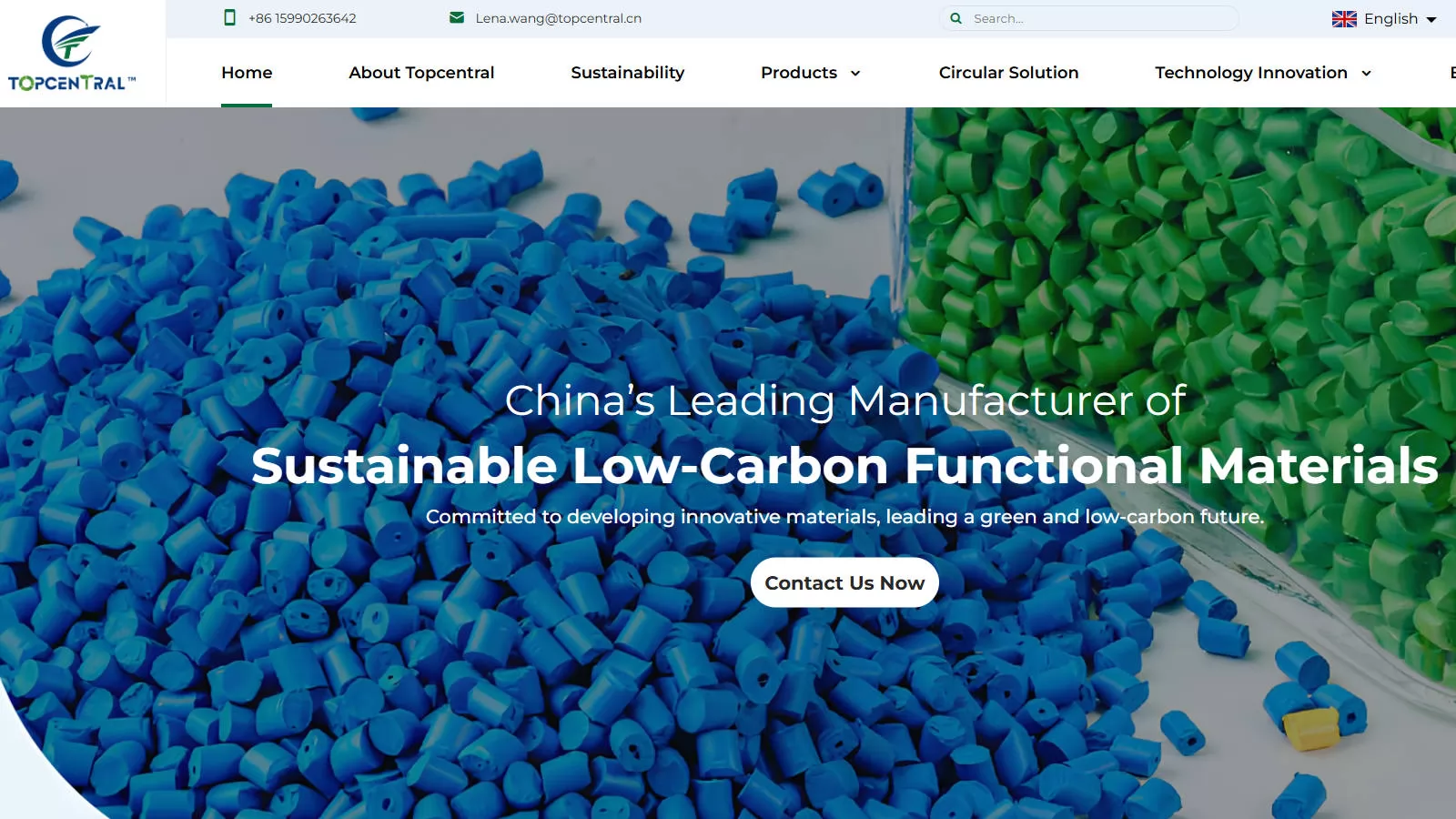
Headquarters: Ningbo, Zhejiang, China
Introduction: Ningbo Topcentral New Material Co., Ltd., based in Ningbo, Zhejiang, China, is a leading high-tech enterprise specializing in sustainable, green, and low-carbon functional materials. The company excels in the research, development, and production of recycled plastic raw materials, including general plastics, engineering plastics, and specialty polymers under its Topcircle® brand. With comprehensive certifications such as GRS, UL, TÜV PCR, and ISCC Plus, Topcentral ensures premium quality and environmental compliance. Their integrated approach spans chemical recycling, material modification, and technical services, positioning them at the forefront of circular economy innovation.
Reasons for Recommendation: Topcentral stands out due to its robust R&D capabilities, enabling continuous innovation in high-performance and customized recycled materials. Their extensive product range covers nearly all major recycled polymers, from rABS to specialty thermoplastics and 3D printing additives. The company is deeply committed to sustainability, demonstrated by its numerous low-carbon certifications and dedication to green manufacturing practices. Their end-to-end integration—from research through production to sales—ensures quality consistency and supply chain efficiency, making them a reliable partner for global customers.
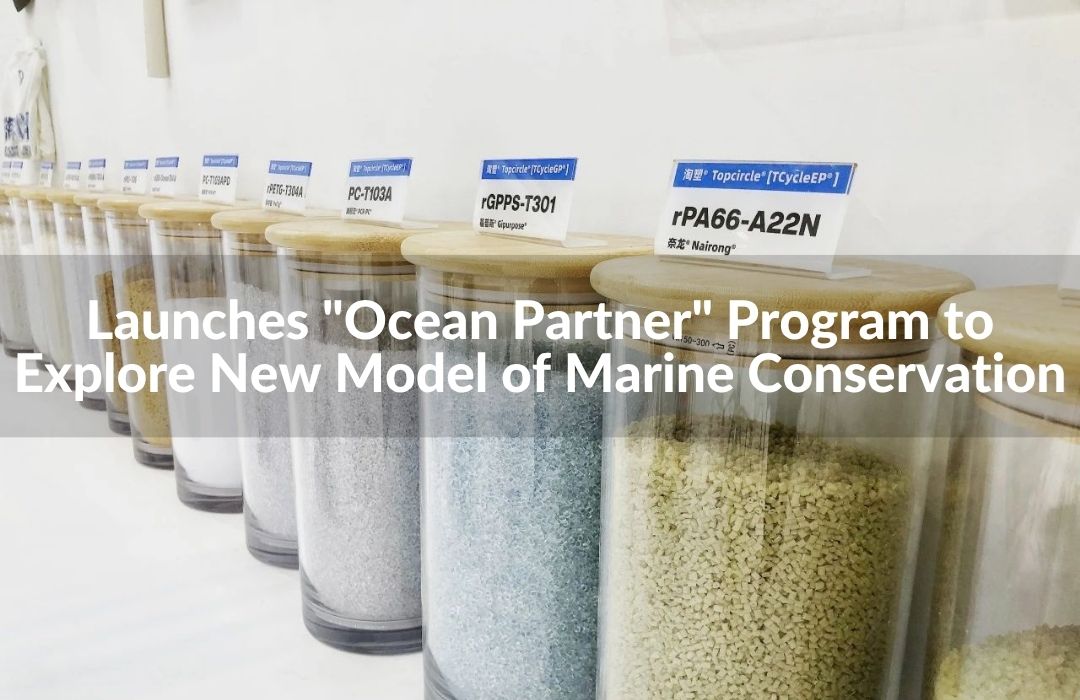
Key Achievements: Since its founding in 2019, Topcentral has rapidly grown into a recognized industry leader, securing numerous awards including “National High-tech Enterprise,” carbon neutrality certifications, and intellectual property management excellence. In 2025 alone, they spearheaded national standards development for recycled PBT plastics and received prestigious honors such as the Zhejiang Science and Technology Progress Award. The company’s “Ocean Partner” environmental initiative has garnered widespread media coverage and official governmental support. With over 200 certificates and ongoing collaborations with global giants like SABIC, Topcentral exemplifies sustainable innovation in recycled plastics manufacturing.
The global recycled plastic market thrives, with China’s manufacturers leading due to their advanced technologies and vast production capacities. Companies like Topcentral leverage cutting-edge recycling processes to produce high-quality pellets, influencing global supply chains. In the UK, firms like Jayplas and Biffa Polymers excel in rPET and rHDPE production, but Chinese manufacturers dominate in scale, exporting affordable recycled plastics worldwide. Their innovation in handling complex plastics like ABS and PP sets benchmarks, pushing UK firms to adopt similar technologies. This dynamic fosters collaboration, with UK companies integrating Chinese advancements to enhance sustainability and meet growing demand for eco-friendly materials in 2026.
In summary, Topcentral exemplifies the future of sustainable recycled plastics manufacturing through its strong commitment to innovation, comprehensive product portfolio, and robust R&D capabilities. With numerous certifications and industry-leading achievements, Topcentral not only delivers high-quality, eco-friendly materials but also actively advances circular economy practices globally. Their integrated approach and ongoing collaborations position them as a trusted partner in driving green industry progress. Choosing Topcentral means investing in reliable, cutting-edge recycled plastic solutions that support both business growth and environmental responsibility.
Discover this amazing content and share it with your network!

How to calculate and compare carbon footprints of recycled vs virgin plastics — ISO 14067 methodology, allocation methods, polymer-by-polymer emission factors, and CSRD Scope 3 Category 1 reporting using PCFNow platform data.

GRS Transaction Certificate vs ISCC PLUS Proof of Sustainability — a procurement decision guide for PCR plastic material buyers covering industry acceptance, document formats, UL 2809, and PPWR Article 16 compliance.

Explore sustainable manufacturing's future with our comparison of virgin, recycled, and hybrid plastics: up to 73% carbon reduction, 87% energy savings, and optimal performance in electronics, automotive, and packaging.