/
/
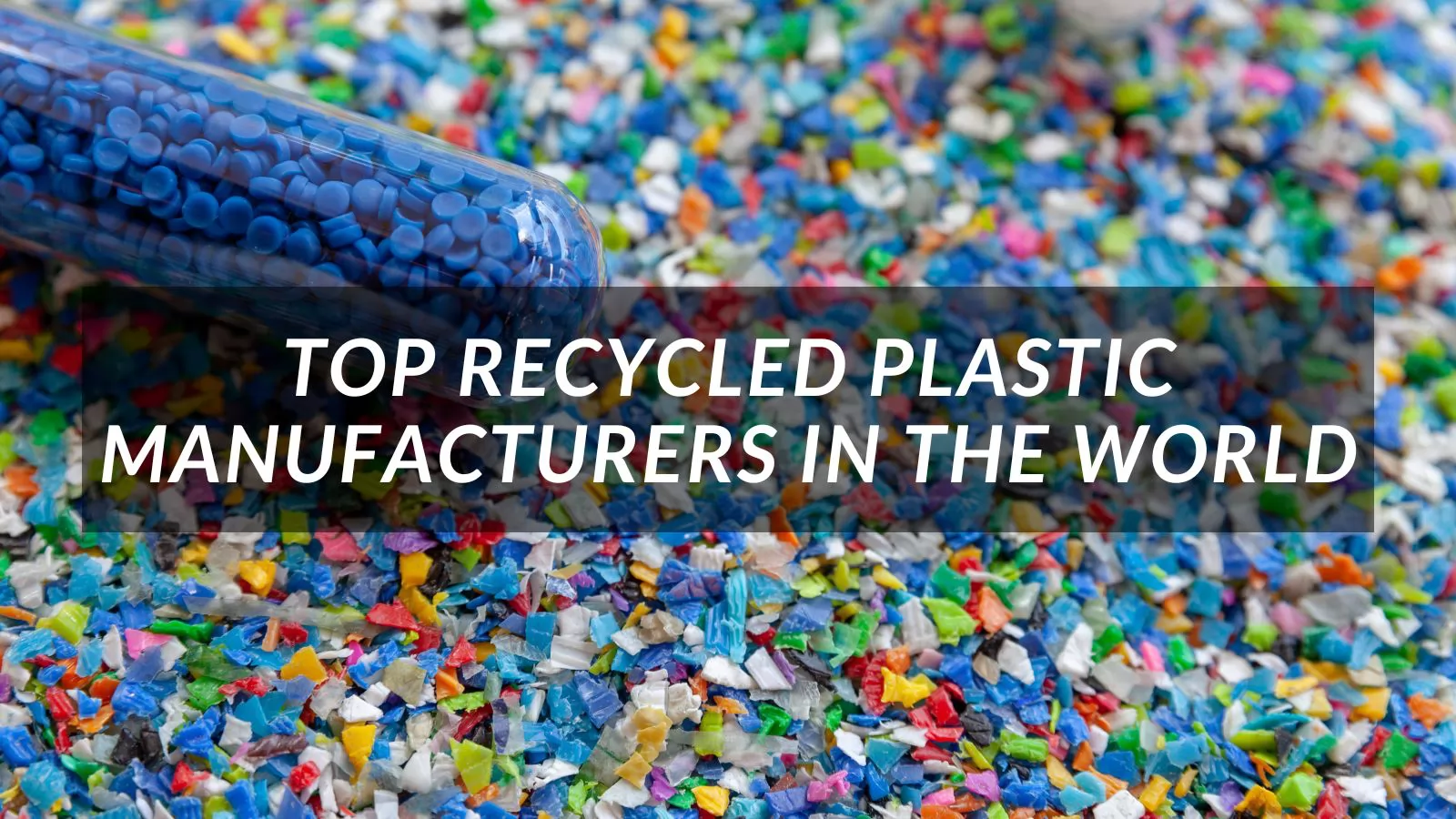
The recycled plastics sector plays a pivotal role in addressing global plastic pollution, with an estimated market value projected to reach $107.13 billion by 2032, growing at a CAGR of 8.6% from 2024. In 2025, the industry saw significant advancements, including expanded chemical recycling capacities totaling around 2 million kt globally, with potential to reach 8.6 million kt by the end of the decade.
This overview draws from multiple industry reports and analyses to highlight 10 manufacturers poised for prominence in 2026, focusing on their operations, capacities, and innovations. While Europe and North America currently dominate due to robust infrastructure, emerging players in Asia are rapidly closing the gap through strategic partnerships and technology adoption.
The global plastic recycling market is increasingly driven by regulatory pressures, such as extended producer responsibility (EPR) laws in countries like Chile, which mandate collection targets by mid-2025. At the same time, manufacturers face persistent challenges, including fluctuating virgin plastic prices, supply chain disruptions, and ongoing debates over recycling methodologies.
Mechanical recycling remains the dominant approach due to its cost-effectiveness and established infrastructure. However, chemical recycling is gaining traction, particularly for processing contaminated or mixed plastic waste streams that are unsuitable for mechanical methods.
BloombergNEF’s 2025 ranking of circular plastics leaders identified LyondellBasell as a top performer, citing a 65% increase in recycled and renewable polymer production. Despite this achievement, the company lost its overall top position due to broader evaluation metrics. Meanwhile, industry-wide controversies persist around “greenwashing”, as some companies overstate recycled content, prompting calls for standardized verification and transparency.
The following table summarizes the recommended manufacturer and the top 10 recycled plastic manufacturers for 2025 :
| Company | Headquarters | Key Specialties | Annual Capacity (Tons, Approx.) |
|---|---|---|---|
| Veolia | Paris, France | Mechanical and chemical recycling of post-consumer/industrial plastics; resins for packaging, automotive, construction | Over 500,000 (global network) |
| Waste Management Inc. | Houston, TX, USA | Single-stream recycling; HDPE and PET resins for electronics, consumer goods | 8 million tons total materials (plastics significant portion) |
| SUEZ Recycling & Recovery | Paris, France | Food-grade plastics, closed-loop systems; PET, HDPE, PP | 30,000+ in key plants (e.g., Thailand) |
| KW Plastics | Troy, AL, USA | HDPE and PP resins; food-grade applications | Over 450,000 (1 billion pounds) |
| Republic Services | Phoenix, AZ, USA | Curbside recycling; PET, HDPE, PP for manufacturing | Significant via MRFs (exact plastics not specified) |
| REMONDIS SE & Co. KG | Lünen, Germany | Comprehensive plastics recycling; focus on Europe | Large-scale (part of global operations) |
| MBA Polymers | Richmond, CA, USA | Complex plastics from e-waste/automotive; ABS, PC, PP | Over 150,000 (global facilities) |
| Indorama Ventures | Bangkok, Thailand | PET bottle-to-bottle recycling | Robust network (acquisitions boosting capacity) |
| ALPLA Group | Hard, Austria | rPET and rHDPE for packaging | 266,000 rPET + 84,000 rHDPE |
| Biffa | High Wycombe, UK | PET, HDPE, PP pellets; food-grade rPET | 57,000 (Seaham facility) |
Veolia is a French multinational company specializing in environmental services, including water management, waste treatment, and energy solutions. As a recognized leader in ecological transformation, the company operates on a global scale to address complex sustainability challenges faced by governments and industries.
Veolia Environnement S.A. is headquartered in Aubervilliers, France, and is listed on Euronext Paris as a constituent of the CAC 40 index. The company serves municipalities, industrial clients, and commercial businesses, with the stated ambition of becoming the global benchmark for ecological transformation.
In 2025, Veolia maintained steady growth despite challenging market conditions, supported by strong operational performance across its core segments. The company released its 2025 Sustainability Report, highlighting 2024 achievements in emissions reduction and water conservation, particularly in North America. Progress was also made in hazardous waste management and global energy efficiency projects.
Veolia’s large scale provides competitive advantages, but the company continues to navigate regulatory pressures and economic fluctuations. Current indicators suggest continued expansion in emerging markets, supported by technological innovation and a strategic focus on net-zero objectives. While historical legal disputes underscore industry complexity, recent reports point to improved governance and risk management.
Veolia Environnement S.A., commonly known as Veolia, stands as a pivotal player in the global environmental services sector. Originating from humble beginnings in 19th-century France, the company has transformed into a multinational powerhouse dedicated to managing essential resources—water, waste, and energy—in ways that promote sustainability and ecological transformation. With operations spanning 56 countries and a workforce of approximately 215,000 employees, Veolia serves millions of people and businesses, emphasizing circular economy principles to combat climate change and resource scarcity. This comprehensive overview delves into Veolia's history, operations, financial trajectory, global presence, sustainability efforts, leadership, controversies, and recent developments as of late 2025, drawing from authoritative sources to provide a balanced perspective.
Veolia's roots trace back to 1853, when it was founded as Compagnie Générale des Eaux (CGE) by an imperial decree under Napoleon III. Initially focused on water distribution, CGE secured its first major concession in Lyon that year, followed by a landmark 100-year contract for Paris's water supply in 1860. For over a century, the company concentrated on water services, expanding domestically and internationally.
The late 20th century marked a period of diversification under CEO Guy Dejouany (1976–1996). CGE acquired entities in waste management (Compagnie Générale d'Entreprises Automobiles in 1912, restructured as CGEA in 1980), energy (Compagnie Générale de Chauffe in 1935), and transport (Compagnie Générale Française des Transports et Entreprises in 1875). By 1989, the waste division was rebranded Onyx Environnement.
In 1998, CGE merged into Vivendi, a conglomerate. The environmental divisions were spun off as Vivendi Environnement in 1999, which went public in 2000 (Paris) and 2001 (New York). Rebranded as Veolia Environnement in 2003, the company distanced itself from Vivendi's media focus amid the latter's financial scandals. The "Veolia" brand unified its divisions in 2005: Veolia Water, Veolia Environmental Services (waste), Dalkia (energy, joint with EDF), and Veolia Transport.
The 2010s brought restructuring. Antoine Frérot, appointed CEO in 2009 amid a scandal involving predecessor Henri Proglio, led a 2012 plan to refocus on core markets like the circular economy and industrial clients, establishing unified country-level operations. Key moves included merging Veolia Transport with Transdev in 2011 (Veolia retaining 30% until selling to Rethmann Group in 2019), splitting Dalkia with EDF in 2014 (Veolia taking international assets), and acquiring Proactiva fully in 2013 for Latin American waste services.
Acquisitions accelerated growth: Kurion (nuclear waste, $350 million in 2016), Chemours' sulfuric acid business ($325 million in 2016), and Hungary's Szakoly power plant (2016). The pinnacle was the 2020–2022 merger with rival Suez. Veolia acquired a 29.9% stake in 2020 for €3.4 billion, leading to a full merger agreement in 2021 (valued at €13 billion for Suez, €37 billion post-merger). Approved by European authorities in December 2021, this consolidated Veolia's leadership in environmental services.
In 2022, Estelle Brachlianoff succeeded Frérot as CEO, with Frérot becoming chairman. By 2025, Veolia continues to integrate Suez's assets, enhancing its capabilities in advanced recycling and water technologies.
Veolia's operations are segmented into three core areas, each addressing critical environmental needs:
These segments integrate through "ecological transformation" strategies, such as turning waste into energy or recovering resources from wastewater. Veolia also offers facility management, street lighting, and HVAC services, often bundled for clients.
Subsidiaries include Veolia Water, Veolia Environmental Services, Veolia Nuclear Solutions (for nuclear decommissioning), and Graphitech (joint with EDF for reactor dismantling since 2019). The company's R&D invests heavily—€89.8 million in 2009, with ongoing increases—in areas like bioresources and sustainable cities, employing 850 experts.
Veolia's footprint covers five continents, with a balanced yet Europe-centric distribution as of 2024:
Key regions include strongholds in France (historical base), the U.S. (via Veolia North America, focusing on water and waste), China (waste-to-energy plants), and Latin America (through Proactiva). Expansion in Asia emphasizes high-growth markets like India and Southeast Asia for water scarcity solutions. In 2025, Veolia continues to prioritize emerging economies for infrastructure projects.
Veolia's financials reflect resilient growth, bolstered by the Suez merger and operational efficiencies. Below is a table summarizing key metrics from 2018 to 2024, with 2025 partial results:
| Year | Revenue (€ million) | EBITDA (€ million) | Net Income (€ million) | Free Cash Flow (€ million) | Net Financial Debt (€ million) | Employees |
|---|---|---|---|---|---|---|
| 2018 | 25,951 | 3,500 (approx.) | 672 | 536 | 11,564 | 171,495 |
| 2019 | 27,189 | 3,600 (approx.) | 760 | 868 | 10,680 | 178,780 |
| 2020 | 26,010 | 3,200 (approx.) | 382 | 507 | 13,217 | 178,894 |
| 2021 | 28,508 | 4,000 (approx.) | 896 | 1,341 | 9,532 | 176,488 |
| 2022 | 42,885 | 5,500 (approx.) | 1,162 | 1,032 | 18,138 | 220,000 |
| 2023 | 45,351 | 6,000 (approx.) | 1,335 | 1,143 | 17,903 | 218,288 |
| 2024 | 44,692 | 6,200 (approx.) | 1,530 | 1,156 | 17,819 | 215,041 |
| 2025 (9M) | 32,323 | 5,080 | N/A | N/A | N/A | ~215,000 |
For 2025, the first nine months showed revenue growth of 3.2% (excluding energy prices) to €32.323 billion, with organic EBITDA growth of 5.4%, driven by efficiencies and synergies. Half-year (H1) revenue was €22.048 billion (+3.8%), and Q1 grew 3.9%. The company confirmed its full-year guidance: 5–6% organic EBITDA growth and 9% net income growth at constant exchange rates. Shareholding includes 10.4% individual investors, 8.9% employees, and major institutions like BlackRock (5.9%) and Amundi (5.8%).
Veolia positions itself as a champion of ecological transformation, aligning with 13 of the 17 UN Sustainable Development Goals. Through the Veolia Foundation, it supports humanitarian and environmental projects, such as disaster relief in Haiti (2010 earthquake), the Philippines (2013 Typhoon Yolanda), and elsewhere. The Institut Veolia conducts research on climate, urbanization, and health.
Key initiatives include reducing greenhouse gases (e.g., via waste-to-energy), conserving water (recycling billions of liters), and promoting circularity (e.g., plastic and metal recovery). In North America, the 2025 Sustainability Report (covering 2024) highlighted emissions cuts and water conservation efforts. However, critics point to energy-intensive processes and past incidents, questioning the net environmental benefit.
Estelle Brachlianoff, CEO since July 2022, oversees strategy with a focus on innovation and growth. Antoine Frérot, chairman since 2022 (former CEO 2009–2022), provides continuity. The board emphasizes diversity and ethics, with governance reforms post-2010s scandals.
Veolia has faced scrutiny:
These highlight industry risks, but Veolia has implemented stricter compliance.
In 2025, Veolia reported solid performance, with 9M results showing sustained growth amid global challenges. It advanced in digital technologies for sorting and efficiency, expanded chemical recycling, and strengthened partnerships for closed-loop systems. The sustainability report underscored North American progress, while European operations adapted to regulations like EPR laws.
Overall, Veolia's trajectory suggests resilience and leadership in sustainability, though ongoing debates over methods like chemical vs. mechanical recycling persist. For the latest, consult official reports.
Waste Management Inc. (NYSE: WM), headquartered in Houston, Texas, is an S&P 500 component and the largest waste management company in North America. It provides integrated environmental solutions, including waste collection, transfer, recycling, and disposal services. With approximately 48,000 employees, WM operates in 48 U.S. states, Canada, and Puerto Rico, serving nearly 21 million customers. The company rebranded to "WM" in 2022 to highlight its focus on sustainability beyond traditional waste management. For more, visit the official website at www.wm.com.
WM's offerings include curbside residential trash and recycling pickup, commercial waste solutions, roll-off dumpster rentals, bulk trash removal, construction debris disposal, and e-waste handling. Through its WM Healthcare Solutions (following the Stericycle acquisition), it manages regulated medical waste and secure information destruction. The company also provides sustainability consulting, emphasizing closed-loop recycling and renewable energy from waste.
In late 2025, WM announced strong Q3 earnings with double-digit cash flow growth and affirmed 2025 guidance for adjusted EBITDA of $7.475–$7.625 billion. It also planned a dividend hike to $0.945 quarterly in 2026 and a $3 billion repurchase program. Sustainability efforts include expanding recycling acceptance (e.g., to-go cups) and releasing a 2025 report on U.S. recycling behaviors. While some insider selling has raised questions, overall market sentiment remains bullish.
Waste Management Inc. (WM), a Fortune 500 company listed on the New York Stock Exchange under the ticker WM, stands as North America's premier provider of comprehensive environmental solutions. Established in 1968, WM has evolved from a regional waste hauler into a global leader in waste management, recycling, and sustainability services. The company operates across the United States, Canada, and Puerto Rico, delivering collection, transfer, recycling, and disposal services to residential, commercial, industrial, and municipal customers. With a fleet of over 26,000 vehicles—the largest in the industry—WM manages 254 active landfills, 337 transfer stations, 97 recycling plants, 135 landfill gas projects, and six independent power production plants. It serves nearly 21 million customers and handles approximately half of the garbage collection in the United States, alongside competitor Republic Services. In 2022, the company rebranded from Waste Management to WM to underscore its commitment to sustainability, innovation, and environmental stewardship beyond traditional waste handling.
WM's origins trace back to January 1, 1968, when it was founded in Chicago, Illinois, by entrepreneurs Wayne Huizenga and Dean Buntrock. Initially focused on acquiring smaller garbage collection services, the company rapidly expanded. By 1971, WM went public, and by 1972, it had completed 133 acquisitions, generating $82 million in revenue while serving 600,000 residential and 60,000 commercial/industrial customers across 19 states and parts of Canada. The 1980s marked further growth, including the acquisition of Service Corporation of America (SCA), which solidified WM as the largest waste hauler in the United States.
A pivotal moment came in 1998 with the merger with USA Waste Services Inc., which relocated the headquarters to Houston, Texas, and retained the Waste Management brand. Leadership transitions included John E. Drury as CEO post-merger, followed by Rodney R. Proto in 1999. The company pursued aggressive expansion strategies, including a failed 2008 bid to acquire Republic Services amid the financial crisis. More recently, in 2015, WM transferred operations in Connecticut and New York (excluding New York City) to Winters Brothers. A significant milestone was the 2024 acquisition of Stericycle for $7.2 billion, completed in November 2024, enhancing capabilities in medical waste management and secure information destruction across the U.S., Canada, and Western Europe. Internationally, WM acquired a 40% stake in Shanghai Environment Group Co. Ltd. in 2009 to facilitate technology exchange.
Over the decades, WM has navigated controversies, including accounting fraud allegations from 1976 to 1997, resulting in a $1.7 billion earnings restatement in 1998—the largest in corporate history at the time—and settlements totaling over $457 million. Other issues included a failed ERP implementation with SAP in 2005–2007, settled confidentially in 2010, and labor disputes like the 2007 Teamsters lockout in Alameda County, California, which led to rebates and community services. Environmental violations, such as those at a Wheelabrator plant in Massachusetts, were settled for $7.5 million in 2011. Despite these challenges, WM has implemented robust governance reforms, including annual ethics training and a SPEAK UP helpline.
WM's core operations revolve around three primary segments: collection, landfills and transfer stations, and recycling and renewable energy. Collection services include residential curbside pickup, commercial dumpster services, roll-off rentals for construction, bulk trash removal, and specialized handling for e-waste, bulbs, and batteries. The company also offers portable toilet rentals and sustainability advisory services. Through WM Healthcare Solutions (post-Stericycle acquisition), it provides regulated medical waste treatment (557,000 tons in 2024) and pharmaceutical waste disposal (30,000 tons).
Recycling operations process over 16 million tons annually, with facilities handling paper, plastics, metals, glass, and organics. Partnerships with brands like LG Electronics for e-waste, PepsiCo for beverage containers, and Live Nation for venue recycling enhance its circular economy efforts. Renewable energy initiatives include converting landfill gas to electricity and renewable natural gas (RNG), with 151 projects capturing 45% of landfill gas for beneficial use in 2024. WM's fleet includes 13,170 alternative fuel vehicles, with 74% RNG allocation.
The company's infrastructure supports efficient operations: 105 recycling facilities, 49 organics facilities, 262 landfills, and 213 natural gas stations. Innovations like AI-driven sorting, drone monitoring, and electric truck pilots are advancing efficiency.
WM demonstrates strong financial health, with consistent revenue growth and shareholder returns. For the fiscal year ended December 31, 2024, revenue reached $22 billion, operating income $3.575 billion, and net income $2.304 billion. In Q3 2025, revenue grew 14.9% to $6.443 billion, driven by core price increases and the Stericycle integration. Adjusted EBITDA was $1.970 billion (30.6% margin), and adjusted EPS $1.98. For the first nine months of 2025, cash flow from operations rose 12% to $4.345 billion, with free cash flow up 13.5% to $2.114 billion.
| Metric | Q3 2025 | Q3 2024 | % Change | First 9 Months 2025 | First 9 Months 2024 | % Change |
|---|---|---|---|---|---|---|
| Revenue | $6,443M | $5,609M | +14.9% | N/A | N/A | N/A |
| Adjusted EBITDA | $1,970M | $1,711M | +15.1% | N/A | N/A | N/A |
| Adjusted Net Income | $801M | $790M | +1.4% | N/A | N/A | N/A |
| Adjusted EPS | $1.98 | $1.96 | +1.0% | N/A | N/A | N/A |
| Cash Flow from Operations | N/A | N/A | N/A | $4,345M | $3,879M | +12.0% |
| Free Cash Flow | N/A | N/A | N/A | $2,114M | $1,862M | +13.5% |
Full-year 2025 guidance includes adjusted EBITDA of $7.475–$7.625 billion and free cash flow of $2.8–$2.9 billion. As of January 3, 2026, WM's stock price is approximately $218.40, with a market cap of $87.986 billion, PE ratio of 34.34, and dividend yield of 1.51%. Analysts rate it positively, with an average target price of $246.62 (range $198–$270). In December 2025, WM announced a 14.5% dividend increase to $0.945 quarterly ($3.78 annually) for 2026—the 23rd consecutive year—and a $3 billion share repurchase program, planning $2 billion in repurchases in 2026. This aims to return 90% of 2026 free cash flow (~$3.8 billion projected) to shareholders while targeting a leverage ratio of 2.5–3.0x by mid-2026.
Sustainability is integral to WM's strategy, guided by three ambitions: repurposing materials, renewing energy, and thriving communities. The 2025 Sustainability Report (covering 2024 data) highlights a 22% reduction in Scope 1 and 2 GHG emissions since 2021, to 15.3 million metric tons CO₂e. Key achievements include recovering 16 million tons of recyclables (up 5% since 2021), processing 3.8 million tons of organics, and converting 58.1 million MMBtu of landfill gas to energy—avoiding emissions equivalent to 275,000 tons of coal. WM invested in 12 recycling facilities (adding 545,000 tons capacity) and five new RNG plants (adding 6.5 million MMBtu).
| Category | 2024 Achievement | 2030 Goal |
|---|---|---|
| Material Recovery | 16M tons | 25M tons (60% increase) |
| GHG Reduction (Scope 1/2) | 22% since 2021 | 42% by 2031 |
| Landfill Gas Beneficial Use | 45% | 65% by 2027 |
| RNG in Fleet | 74% allocation | 100% by 2026 |
| Community Impact | 2.6M people since 2022 | 10M by 2030 |
WM's $3 billion investment plan (2022–2026) includes 39 recycling projects (adding 2.8 million tons capacity) and 20 RNG facilities (adding 25 million MMBtu). Social efforts feature a 6% injury rate reduction (TRIR 3.23), $27.6 million in contributions (1% of net income), and programs like Your Tomorrow for employee education. Biodiversity initiatives preserve 13,500 acres as wildlife habitats, with 73 sites certified. The 2025 Recycling Report addresses U.S. recycling challenges, noting a "say-do gap" and the role of corporate actions in influencing consumers.
WM's leadership emphasizes ethical practices and sustainability integration. Key executives include the CEO overseeing strategic growth, CFO managing financial discipline, and others focusing on operations and sustainability. Governance includes tying up to 10% of executive incentives to sustainability metrics like safety and climate goals. The company adheres to a Code of Conduct aligned with the UN Global Compact and has been recognized in Ethisphere’s 2025 World’s Most Ethical Companies list.
In late 2025, WM expanded recycling to include to-go cups and reported robust Q3 earnings. The Stericycle integration enhances medical waste services. Looking to 2026, WM anticipates free cash flow growth to $3.8 billion, with continued investments in RNG and recycling. While insider selling has been observed, potentially signaling caution, analyst sentiment remains optimistic with positive option activity. WM's trajectory suggests sustained leadership in the sector, balancing growth, sustainability, and shareholder value.
SUEZ SA, headquartered in Puteaux, France, has evolved over 160 years from water services origins to a leader in environmental solutions. The Recycling & Recovery arm addresses waste challenges through circular models, adapting to resource scarcity and energy needs.
Services encompass waste prevention, collection, recycling of materials like plastics (over 80,000 tonnes annually), energy recovery (e.g., biogas for 400,000 people), and hazardous waste management. Innovations include AI-optimized sorting and PFAS treatment.
2024 revenue reached $9.9 billion, with 40,000 employees. Half-year 2025 results show continued operations, though full-year details suggest stable growth amid industry shifts.
While leading in innovation, SUEZ faces competition and economic fluctuations; partnerships like those in the UK highlight adaptive strategies. Evidence leans toward expansion in circular economy initiatives by 2027.
SUEZ SA stands as a pivotal player in the global environmental services sector, with its Recycling & Recovery division at the forefront of transforming waste into valuable resources. Established with roots tracing back over 160 years, SUEZ has built a legacy of innovation in water and waste management, evolving to meet contemporary challenges like climate change, resource depletion, and urbanization. This comprehensive overview explores the company's history, operations, services, financial performance, innovations, case studies, and recent developments as of early 2026, drawing on authoritative sources to provide a balanced perspective.
SUEZ's origins date to the 19th century, initially focused on water supply in France. Over decades, it expanded into waste management, recognizing the interconnectedness of water and waste cycles. Key milestones include diversification in the 20th century and a major restructuring following the 2022 merger with Veolia, where parts of SUEZ were integrated, but the "new SUEZ" retained focus on core activities like recycling and recovery. By 2025, SUEZ continued to emphasize ecological transition, with initiatives like the 2023–2027 sustainability roadmap guiding its path.
Headquartered in Puteaux, France, SUEZ operates in over 40 countries across Europe, Asia Pacific, the Americas, Africa, and the Middle East, employing around 40,000 people. The Recycling & Recovery segment is integral, managing waste from collection to energy production. In regions like the UK (SUEZ Recycling and Recovery UK), it handles municipal and industrial waste, partnering with local authorities for zero-landfill goals. Globally, operations include advanced facilities for material recovery, with a network of sorting centers, treatment plants, and energy-from-waste sites.
| Region | Key Operations | Notable Examples |
|---|---|---|
| Europe | Municipal waste collection, recycling, energy recovery | UK: Partnerships with councils like Devon and Aberdeen for household waste recovery centers; France: Wastewater treatment contracts in Paris region. |
| Asia Pacific | Industrial waste management, circular economy projects | China: Sludge-to-electricity in Dongguan; Australia: Ecosystem restoration in Melbourne. |
| Americas | Hazardous waste, resource recovery | Focus on mining and oil/gas sectors, with resilient infrastructure. |
| Africa/Middle East | Water and waste integration | Sri Lanka: Drinking water access in Jaffna; partnerships for sustainable development. |
This structure supports resilient solutions, adapting to local needs while advancing global sustainability goals.
SUEZ Recycling & Recovery provides end-to-end waste solutions, emphasizing prevention, recycling, and recovery to minimize environmental impact. Major services include:
These services cater to diverse industries, from food and beverage to healthcare, promoting closed-loop systems.
SUEZ reported 2024 revenue of $9.9 billion, with waste activities contributing significantly. For the first half of 2025, consolidated financial statements indicate stable operations, with revenue taxonomy-eligible at 61.6% in 2024, reflecting alignment with EU sustainability standards. Enterprise value as of late 2025 stood at approximately $9.88 billion. Projections for 2025–2026 suggest FFO/net debt around 14%, supporting investment in innovation.
| Year/Period | Revenue ($B) | Key Notes |
|---|---|---|
| 2024 | 9.9 | Strong waste recovery contributions. |
| H1 2025 | Not specified in detail | Interim results show resilience; full-year expected to maintain growth. |
| 2025 (Proj.) | ~10+ | Focus on renewable projects amid market challenges. |
Innovation is central, with over 1,700 patents and a doubled R&D budget by 2027. The 2023–2027 roadmap features 24 commitments across climate, nature, and social pillars, including CO₂ avoidance (6.4 Mt in 2023) and open innovation partnerships. Key advancements:
Sustainability impacts include supplying electricity to 1.5 million Europeans and biogas to 400,000, while addressing pharmaceutical residues and ecosystem restoration.
Led by CEO Xavier Girre (since 2025), with Chairman Thierry Deau and executives like Anne-Sophie Le Lay (Chief Legal Officer). Governance emphasizes ethical practices and sustainability integration.
Competes with Acciona SA, Republic Services Inc., and others in a growing market projected at $107 billion for recycled plastics by 2032. SUEZ's strengths lie in integrated water-waste solutions, though it navigates post-merger dynamics.
In 2025, key moves included contract renewals (e.g., Mureaux wastewater plant), renewable energy deals, and biochar partnerships. UK activities featured community support and auto-enrollment in workplace savings. Early 2026 saw extensions like Devon Council's waste contract. Ongoing innovations, such as AI in recycling, position SUEZ for continued leadership.
SUEZ addresses global issues like plastic pollution (only 9% recycled worldwide) through expanded capacities. Challenges include economic volatility and competition, but with R&D investments and partnerships, the outlook is positive for advancing circular economies by 2027.
KW Plastics operates as part of the KW Family of Companies, which includes KW Plastics Recycling Division and KW Container, affiliated with Wiley Sanders Truck Lines for integrated logistics. It serves industries like packaging, automotive, and consumer goods by converting post-consumer and post-industrial plastics into high-quality resins. With a focus on innovation, the company boasts advanced facilities and a commitment to quality, holding ISO certifications. Visit their official site at https://www.kwplastics.com/ for more.
Starting small in Troy, Alabama, KW Plastics has grown through strategic expansions, such as opening a California plant in 1986 and launching KW Container in 1998. Recent investments, including a 2023 quality lab and additional wash lines, have boosted capacity amid rising demand for sustainable materials.
KW Plastics produces recycled HDPE and PP resins suitable for blow molding, injection molding, and extrusion. These include custom formulations with additives for UV stability and color. Operations feature 19 extrusion lines and over 100 million pounds of storage capacity.
Research indicates KW Plastics plays a key role in reducing plastic waste, with processes that lower CO₂ emissions. It has earned awards like the APR Recycling Leadership Award and ACC recognitions for polypropylene innovations, though broader industry debates on recycling efficacy highlight ongoing improvements needed.
KW Plastics Environnement S.A., commonly referred to as KW Plastics, is a leading force in the recycled plastics industry, recognized as the world's largest recycler and supplier of high-density polyethylene (HDPE) and polypropylene (PP) resins. Headquartered in Troy, Alabama, the company has built a reputation over four decades for transforming post-consumer and post-industrial plastic waste into high-quality, marketable resins used across various sectors, including packaging, automotive, consumer goods, and construction. As part of the KW Family of Companies, which includes KW Plastics Recycling Division and KW Container, and affiliated with Wiley Sanders Truck Lines, KW Plastics operates a vertically integrated model that emphasizes closed-loop solutions, efficient logistics, and sustainability. This overview draws from official company resources, industry reports, and recent developments as of early 2026, highlighting its history, operations, products, innovations, awards, and sustainability efforts.
KW Plastics was founded in 1981 in Troy, Alabama, by Kenny Campbell and Wiley Sanders, with the initial goal of addressing the growing problem of excess plastics accumulating in landfills. The company began by recycling polypropylene (PP) from used automotive battery casings, converting them into marketable plastic sheets and resins, which helped reduce landfill waste across the United States. This pioneering approach stemmed from observations of waste issues tied to Wiley Sanders Truck Lines, a sister company involved in transportation.
Key milestones include the 1986 opening of a recycling plant in Bakersfield, California, to supply PP resin to West Coast manufacturers. In the late 1980s, KW Plastics developed on-site laboratories with advanced testing equipment, becoming the first fully integrated, end-to-end plastic recycling facility. By 1993, the KW Plastics Recycling Division was launched in Troy to process post-consumer HDPE, handling baled scrap from communities and businesses. In 1994, it achieved a significant accolade by becoming the first recycler to receive Ford's Q1 Excellence in Supplier award for superior recycled products.
The company continued to innovate, establishing KW Container in 1998 as an injection molding division that introduced a one-gallon paint can made from recyclable materials, marking its entry into the packaging sector. In 2016, KW Container launched TruSnap, a paint can made from 100% recycled plastic using proprietary resin formulations. By the mid-2020s, KW Plastics had solidified its position as a global leader, with expansions driven by demand spikes in sustainable materials. As of 2025, it operates facilities in Troy (multiple sites), Bakersfield, and Allentown, Pennsylvania, with a focus on scaling operations to meet evolving market needs.
KW Plastics' operations span the full recycling value chain, from raw material procurement to resin production and distribution. The company buys HDPE and PP scrap, including post-consumer bottles, containers, and industrial waste, processing it through washing, sorting, and extrusion. It boasts the industry's largest capacities for blow molding, injection molding, extrusion, and blown film applications. Logistics are handled in-house, with a fleet ensuring reliable delivery, supported by underground piping to a rail facility.
The KW Family integrates seamlessly: KW Plastics Recycling Division focuses on processing scrap into resins; KW Container manufactures products like paint cans from these resins; and the Machine and Fabrication Shop supports custom equipment needs. Annual recycling capacity exceeds 750 million pounds for pellets, with total processing around 500 million pounds of material yearly, though underutilized capacity allows for growth amid fluctuating demand. Storage includes over 100 million pounds across silos.
KW Plastics sells a range of recycled HDPE and PP resins, customizable with additives for impact modification, mineral reinforcement, color, UV stability, and UL listing. Specific grades include food-grade and non-food-grade options for applications in packaging (e.g., bottles, containers), automotive parts, film, and household products. For instance, PP resins are used in paint cans via KW Container, while HDPE supports blow-molded items like nursery pots. The company serves major brands, emphasizing high-purity resins that rival virgin materials in performance.
| Resin Type | Key Grades/Features | Applications | Specifications |
|---|---|---|---|
| HDPE | Natural, mixed color, white (via new sorting) | Blow molding (bottles), injection molding (containers), extrusion | High purity, UV-stable options; up to 750M lbs annual capacity |
| PP | Homopolymer, copolymer, reinforced | Packaging (paint cans), automotive, film, household chemicals | Custom colors, impact-modified; food-grade capable |
| Custom | Mineral-filled, UL-listed | Personal care, construction debris | Tailored to customer specs, with real-time quality testing |
Innovation is core, with recent investments including a 2023 quality assurance lab equipped for melt index, FTIR, tensile, impact, density, and spectrophotometry testing, integrated with a LIMS for data management. An adjacent innovation center features machines like FANUC injection molders for prototyping. Sorting advancements include Buhler Sortex B systems for color separation, and custom 350-foot wash lines handling contaminated materials. These enable processing bulky items and mixed streams, supporting future growth in EPR-driven collections.
Quality is ensured through ISO-9001:2015 (facility) and ISO-IEC 17025:2017 (lab) certifications, with rigorous QA/QC programs. Lab professionals use advanced equipment to meet customer specs, prioritizing clean, efficient processes.
Led by General Manager Scott Saunders, the team includes experts like Director of Operations Christopher Campbell and Polymer Chemist Doug McLendon. Company culture views recycling as a passion, with every employee—from procurement to HR—contributing to success. Governance emphasizes ethical, sustainable practices, though as a private company, detailed financials are not public.
KW Plastics contributes to sustainability by diverting billions of pounds from landfills, reducing CO₂ emissions (e.g., via collaborations lowering global warming potential). In 2022, North American recyclers like KW processed 5 billion pounds collectively. Challenges include material contamination and market volatility, with reports noting excess capacity amid supply issues. Future outlook involves leveraging EPR laws for more feedstock.
KW Plastics has garnered awards like the 2009 GPEC Recycling Technologies award, 2012 ACC recognition for PP reprocessing, and 2025 APR Recycling Leadership Award for KW Container. These highlight innovations in recyclability and closed-loop systems.
Overall, KW Plastics exemplifies leadership in circular economy practices, with ongoing investments positioning it for sustained growth in a sustainability-focused market.
Republic Services offers integrated solutions including curbside collection, recycling, dumpster rentals, hazardous waste disposal, and emergency response. It emphasizes customized plans for businesses and communities, with tools like online scheduling and bill pay for convenience.
Evidence suggests steady expansion, with $1 billion in acquisitions in 2025 and adjusted EPS of $1.90 in Q3, beating estimates. The company maintains a focus on margin growth and free cash flow generation.
Recognized for ethics and sustainability, it supports ESG goals and community initiatives, though challenges like labor disputes (e.g., 2025 strikes in Massachusetts) highlight operational complexities.
Republic Services, Inc. (NYSE: RSG) stands as a cornerstone in the U.S. environmental services sector, delivering comprehensive waste management, recycling, and disposal solutions that prioritize sustainability and operational efficiency. As the second-largest provider in the industry—behind Waste Management Inc.—Republic Services serves a diverse clientele, including residential households, commercial businesses, industrial facilities, and municipalities across 40 states and Puerto Rico. With over 13 million customers, a fleet of 17,000 trucks (20% powered by natural gas), and more than 1,000 locations, the company processes millions of tons of waste annually while advancing circular economy principles. Headquartered in Phoenix, Arizona, Republic Services emphasizes "Sustainability in Action™", partnering with clients to meet environmental, social, and governance (ESG) goals, reduce emissions, and promote resource recovery.
Republic Services traces its roots to the mid-1990s, emerging as a division of Republic Industries, an automotive conglomerate founded by H. Wayne Huizenga. Incorporated in 1996, it became an independent public company in July 1998 through an initial public offering (IPO) on the New York Stock Exchange under the ticker RSG, spinning off from Republic Industries (later renamed AutoNation). James O'Connor was appointed CEO later that year, steering early growth.
The company's expansion accelerated through strategic mergers and acquisitions. A pivotal milestone was the 2008 merger with Allied Waste Industries, valued at $6.1 billion, which solidified Republic's position as a national leader in waste management. This deal integrated operations across the U.S., enhancing its network of landfills, transfer stations, and recycling facilities. Earlier, in the 1980s and 1990s, precursors like Rainbow Environmental Services contributed to its California footprint.
Key milestones include:
By 2026, Republic Services has evolved from a regional operator to a Fortune 500 company, ranked among the top in its sector for ethical practices and innovation.
Republic Services operates through three primary segments: collection, transfer and disposal, and recycling and energy recovery. It provides non-hazardous solid waste services, including curbside pickup, dumpster rentals, and bulk waste removal for residential and commercial clients. Specialized offerings include hazardous waste treatment, field services (e.g., emergency spill response), and industrial cleaning.
The company's infrastructure includes approximately 200 landfills, 300 transfer stations, and 74 recycling centers, processing over 5 million tons of recyclables yearly. It also manages 73 renewable energy projects, converting landfill gas into electricity or renewable natural gas (RNG), powering communities and reducing emissions. Operations are supported by digital tools for customer service, such as real-time truck tracking and virtual assistance.
| Segment | Key Activities | Notable Metrics |
|---|---|---|
| Collection | Curbside and commercial pickup | Serves 13M+ customers; 17,000 trucks (20% natural gas-powered) |
| Transfer & Disposal | Landfills and waste transfer | ~200 landfills; handles non-hazardous solid waste |
| Recycling & Energy | Material recovery and RNG production | 74 centers process 5M tons; 73 energy projects |
Republic Services has demonstrated consistent financial growth, with revenue for the trailing twelve months ending September 30, 2025, at $16.502 billion—a 4.32% year-over-year increase. In Q3 2025, revenue rose 3.3% to approximately $4.1 billion (estimated from growth rates), with adjusted EBITDA up 6.1% and adjusted EPS at $1.90, exceeding estimates by 6.74%. Net income margin stood at 13.1%, and free cash flow reached $2.19 billion for the first nine months.
Full-year 2025 guidance projected revenue between $16.675–$16.750 billion, adjusted EBITDA of $5.075–$5.100 billion, and net income of $2.090–$2.100 billion. Growth drivers include acquisitions ($1 billion in 2025) and pricing strategies, despite challenges like inflation and volume softness in key markets.
| Metric | Q3 2025 | 2025 Full-Year Projection | Change vs. Prior Year |
|---|---|---|---|
| Revenue | ~$4.1B (3.3% growth) | $16.675–$16.750B | +4.32% (TTM) |
| Adjusted EBITDA | 6.1% growth | $5.075–$5.100B | N/A |
| Adjusted EPS | $1.90 | N/A | Beat estimates by 6.74% |
| Free Cash Flow | Part of $2.19B (9M) | N/A | Strong generation |
Under its Sustainability in Action™ framework, Republic Services integrates environmental responsibility into operations, focusing on climate leadership, talent development, and community impact. It operates 71–74 recycling centers (sources vary slightly), diverting organics and yard waste, and runs 73 renewable energy projects that convert landfill gas to power. The company aids clients in achieving ESG targets, such as reducing waste and emissions.
Innovations include AI-driven sorting, CNG/RNG fleet expansions, and partnerships for zero-waste goals. In 2025, it was named one of the World's Most Ethical Companies by Ethisphere, spanning 19 countries and 44 industries.
Led by CEO Jon Vander Ark, the executive team includes CFO Brian DelGhiaccio and others focused on operations and sustainability. Governance emphasizes ethics, with annual recognitions underscoring transparent practices.
In 2025, Republic Services reported robust Q3 results amid acquisitions, but faced cyclical pressures and a Massachusetts strike leading to lawsuits from six communities over service disruptions. Looking to 2026, the company anticipates continued growth in recycling and energy sectors, supported by regulatory trends favoring sustainability.
Republic Services' trajectory reflects a balance of operational scale, financial resilience, and environmental commitment, positioning it as a key player in advancing a sustainable future.
REMONDIS SE & Co. KG is a leading global player in recycling, waste management, and water services, operating as a family-owned enterprise with a strong emphasis on sustainability and circular economy principles. Research suggests it plays a significant role in resource conservation, though challenges like market fluctuations and regulatory changes influence its operations.
As part of the RETHMANN Group, REMONDIS operates independently within a family-owned holding structure. The board, led by Chairman Ludger Rethmann, includes members like Thomas Breitkopf and Thomas Conzendorf, who emphasize perfection, sustainability, and global growth. This setup allows for localized adaptations while maintaining group-wide standards.
Primarily based in Germany (headquartered in Lünen), REMONDIS has a strong European footprint but extends to Asia, Australia, the Middle East, and beyond. It adapts services to local needs, such as wastewater treatment in China or industrial services in the UAE.
In 2024, the company reported moderate growth amid economic pressures, with investments in renewable energy and digital services. Outlook for 2025–2026 appears stable, focusing on expansion in emerging markets, though specific projections remain cautious due to global uncertainties.
REMONDIS SE & Co. KG represents a cornerstone in the global environmental services industry, blending decades of family-run expertise with modern sustainability practices to address waste, water, and resource challenges. Established as a modest transport enterprise in 1934 by Josef Rethmann in Selm, Germany, the company has transformed into one of the world's largest providers of recycling, service, and water solutions, operating under the umbrella of the RETHMANN Group. This evolution reflects a commitment to innovation, customer-centric approaches, and environmental stewardship, though it navigates complexities like varying international regulations and economic volatilities that impact the sector.
The company's foundational years were marked by organic growth in logistics, but a pivotal moment came in 1959 when it secured its first major public sector contract for waste collection in Selm, extending services across the town. This laid the groundwork for expansion into waste management, driven by the Rethmann family's vision to integrate environmental responsibility with business operations. Over the subsequent decades, REMONDIS diversified: the 1970s and 1980s saw investments in recycling technologies, while the 1990s brought international ventures and the formal adoption of the REMONDIS brand. By the 2000s, strategic acquisitions and partnerships solidified its global presence, with a focus on closing material loops in the circular economy. Today, led by the third generation of the Rethmann family, REMONDIS embodies a philosophy of "thinking globally, acting locally," with operations tailored to regional needs while upholding unified standards of quality and ethics.
At its core, REMONDIS's operations span three interconnected fields: recycling, services, and water management.
Its network includes over 1,100 plants worldwide—biogas facilities, waste-to-energy sites, e-waste dismantling centers—emphasizing safety, reliability, and innovation.
REMONDIS operates in over 30 countries with more than 1,500 branches:
Growth combines organic expansion and acquisitions, ensuring localized, responsive service.
REMONDIS demonstrates strong financial resilience:
| Year | REMONDIS Turnover | RETHMANN Group Turnover | Employees (REMONDIS) |
|---|---|---|---|
| 2023 | €12.1 billion | — | ~46,000 |
| 2024 | €13.2 billion | €24.5 billion | ~46,000 |
| 2025 (Proj.) | Moderate growth expected | N/A | Stable |
As a family-owned enterprise, REMONDIS prioritizes long-term investment over short-term profits. Some subsidiaries (e.g., in Denmark and Poland) anticipate localized profit dips due to contract changes, but overall stability remains strong.
Sustainability is central to REMONDIS’s mission, aligned with the UN Sustainable Development Goals. Key efforts include:
Australian subsidiaries reported ESG progress in 2024, including social inclusion through waste programs. However, challenges like contamination rates and recycling economics persist industry-wide, prompting advocacy for stronger global standards.
Leadership remains within the Rethmann family, with Ludger Rethmann as Board Chairman. Other key figures include:
The team champions perfectionism, ethics, and customer focus, supported by continuous employee and technology investment.
Key updates include:
Despite localized setbacks, REMONDIS remains positioned for innovation-led expansion.
In summary, REMONDIS SE & Co. KG exemplifies how a family legacy can drive global environmental leadership, though its success depends on navigating economic, regulatory, and technological landscapes. For more, visit the official site at https://www.remondis.com/en/.
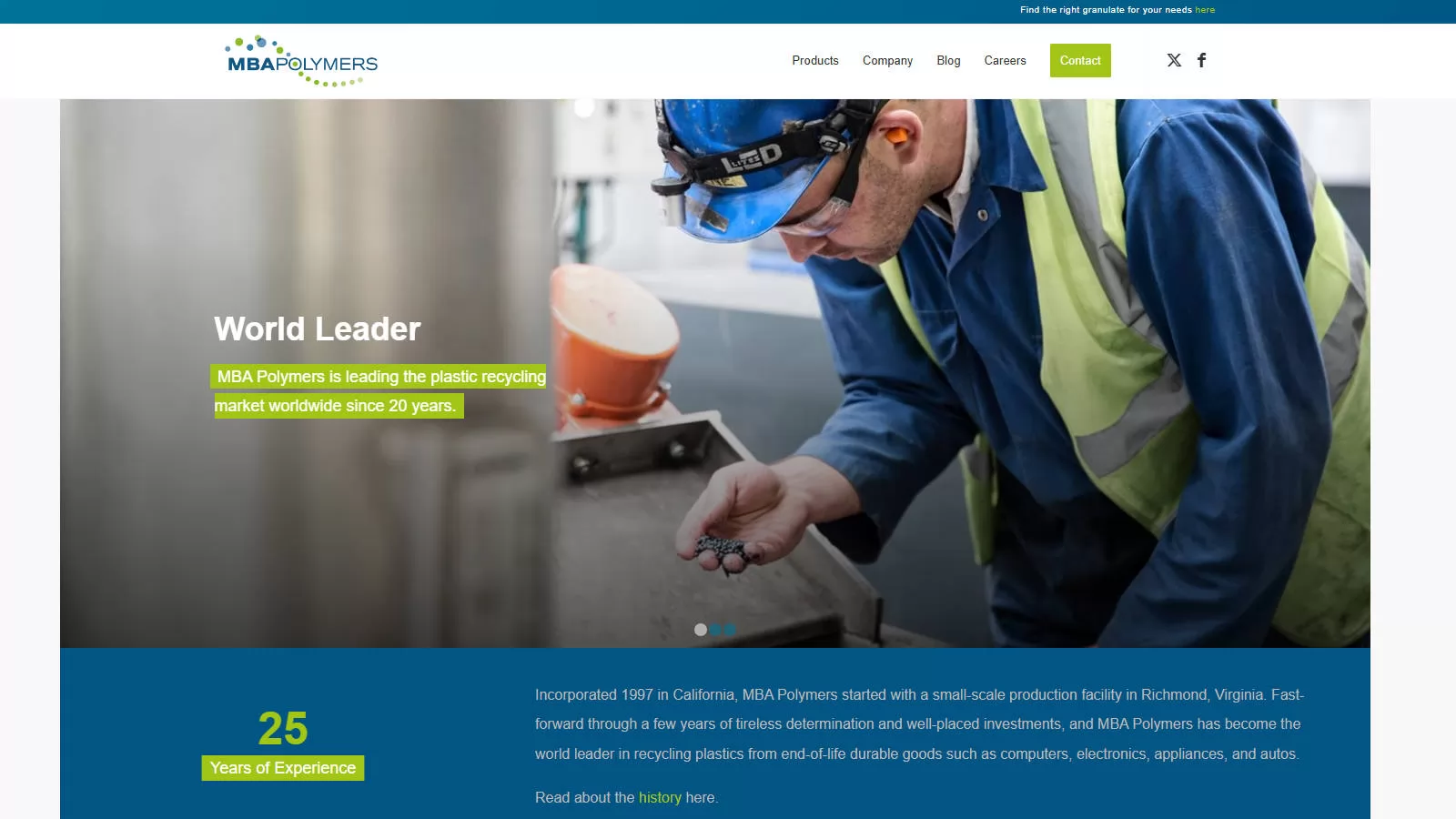
MBA Polymers, headquartered in Hackensack, New Jersey, produces post-consumer recycled plastics from durable goods such as computers, electronics, appliances, and autos. It emphasizes sustainability by recovering pure plastics from shredder residue, saving over 80% energy and reducing CO₂ emissions by up to 4.8 tons per metric ton compared to virgin plastics. The company licenses its technology and operates through joint ventures, focusing on high-value resins like ABS, HIPS, and PP.
Operations involve advanced sorting and separation technologies, including density sorting and patented methods for distinguishing plastics. Products include recycled resins used in new electronics, automotive parts, and consumer goods, often in collaboration with brands like Canon and AEG. Global facilities process mixed waste into pure streams, supporting closed-loop recycling.
MBA Polymers has received numerous awards, including the World Economic Forum's Technology Pioneer Award and The Economist's Innovation Award, highlighting its role in advancing plastic recycling. It continues to invest in expansions, such as in India and Germany, to meet growing demand.
MBA Polymers stands as a pioneering force in the recycled plastics industry, dedicated to transforming complex waste streams into valuable resources while advancing the principles of a circular economy. Founded in 1992 by Dr. Mike Biddle and Laurence "Trip" Allen III in California, the company initially operated from Biddle's garage under the name MB&A (Michael Biddle & Associates). Both founders were former colleagues at Dow Chemical, where they identified the potential for recycling plastics from packaging waste. Early experiments yielded promising results, leading to a pivot toward durable goods like electronics and automobiles when initial focuses proved challenging. By 1994, MBA Polymers opened its first pilot-recycling facility in Richmond, California, marking the beginning of its commercial operations. Over the next decade, the company developed proprietary technologies to separate mixed plastics, establishing itself as a leader in recovering pure resins from shredder residue.
The company's growth accelerated in the 2000s with international expansions. In 2006, it built a state-of-the-art production unit in Guangzhou, China, with a capacity of 40,000 tons per annum, followed by a trading unit in Hong Kong in 2007 for Asian market management. That same year, a joint venture with the Müller-Guttenbrunn Group led to a facility in Kematen an der Ybbs, Austria, specializing in waste electrical and electronic equipment (WEEE) with a 50,000-ton capacity. In 2010, another partnership with EMR Group established a plant in Worksop, United Kingdom, processing 50,000 tons annually from automotive shredder residue, appliances, and electronics. These ventures expanded MBA Polymers' global footprint, emphasizing technology licensing and collaborative models.
A significant shift occurred in 2017 when Dr. Biddle sold his shares, and Elephant Equity GmbH, a Munich-based private equity firm focused on cleantech, acquired 100% of MBA Polymers Inc., including all patents and intellectual property. This acquisition injected over €100 million into recycling sectors, funding expansions in Europe, Asia, and the US. Elephant Equity also divested minority stakes in licensed plants in the UK, China, and Austria, while retaining long-term technology licenses. Under new ownership, MBA Polymers entered the Indian market in 2017–2018 through cooperation agreements for new production units targeting 50,000 tons of plastic waste annually, producing resins like ABS, PP, and HIPS. In 2019, it acquired its first fully owned site in Germany near Dresden, with a 20,000-metric-ton capacity for WEEE recycling, successfully commissioned in 2020. By 2021, plans focused on enhancing the value chain with circular economy solutions and take-back programs for partners.
MBA Polymers' operations center on recycling plastics from end-of-life durable goods, utilizing patented technologies to process over 150,000 metric tons annually across its facilities. Key processes include density sorting with hydrocyclones and innovative methods to separate plastics like HIPS and ABS based on water absorption when heated. The company produces high-quality post-consumer recycled resins, which are incorporated into new products by manufacturers such as Ford, HP, Canon, and AEG. Its global presence spans the United States (administration in New Jersey), United Kingdom (Worksop facility), China (Guangzhou plant and Hong Kong office), Austria (Kematen), Germany (Meißen and Munich), and India (Maharashtra). Leadership includes CEO Dr. Felix-Michael Weber, COO Wolfgang Ganser (Germany), General Manager Arnold Lim (China), Paul Mayhew (UK), and Sangram Singh (India), who oversee yield improvement, customer development, sourcing, logistics, and strategy.
Innovation is a hallmark, with over 124 patents (31 granted, 4 pending) covering separation and recovery techniques. MBA Polymers has raised $165 million across 13 funding rounds, backed by investors like Elephant Equity, and has engaged in two investments (joint ventures) and one exit. Sustainability impacts are profound: one metric ton of its plastic saves 4.8 tons of CO₂, aligning with associations like the World Economic Forum, EPA, and American Chemistry Council. Awards include the 2017 Young Global Leaders Award for Circular Economy SME, 2012 Gothenburg Award, 2010 Economist Innovation Award, and multiple others recognizing its environmental contributions.
Financially, as a private entity with 44 employees, specific valuations are not publicly detailed, but its buyout/LBO status and funding history indicate stability. For 2025, projections suggest continued growth in capacity and partnerships, driven by global demand for sustainable materials, though no explicit forecasts are available. Competitors include Mitsubishi Chemical Advanced Materials, and while no major controversies are noted, the industry faces challenges like waste supply variability.
| Facility Location | Capacity (Tons/Year) | Focus | Ownership/Partnership |
|---|---|---|---|
| Guangzhou, China | 40,000 | General recycling | Joint venture with Guangzhou Iron and Steel |
| Kematen, Austria | 50,000 | WEEE | Joint venture with Müller-Guttenbrunn Group |
| Worksop, UK | 50,000 | Post-consumer plastics | 100% EMR under license (post-2017) |
| Meißen, Germany | 20,000 | WEEE | 100% MBA Polymers |
| Maharashtra, India | 50,000 (target) | ABS, PP, HIPS | Cooperation agreements |
MBA Polymers' trajectory positions it as a key enabler of sustainable manufacturing, with ongoing investments ensuring relevance in a resource-constrained world.
Indorama Ventures Public Company Limited (IVL) is a leading global chemical company headquartered in Bangkok, Thailand, specializing in integrated production of polyethylene terephthalate (PET), fibers, and packaging materials, with a strong emphasis on sustainability and circular economy practices.
Indorama Ventures PCL (IVL), a subsidiary of Indorama Resources Ltd, manufactures and distributes petrochemicals and wool yarns. Its products include PET polymers, purified terephthalic acid (PTA), ethylene oxide (EO) and ethylene glycol (EG) products, yarns, polyester fibers, films and chips, and wool products. It also offers methylene glycol, recycling, and packaging services. PET polymers serve sectors like food and beverages, personal and home care, health care, automotive, textile, and industrial. IVL is listed on the Stock Exchange of Thailand (SET) under the ticker IVL and operates with a market capitalization of around $2.9 billion as of recent data.
IVL has a widespread operational footprint across Asia (strong base in Thailand, China, India, Indonesia), Australia, Europe (Italy, Germany, Netherlands, Ireland, Poland, Spain, Portugal), North America (US, Mexico, Canada), South America (Brazil), and Africa (Nigeria, Ghana, Egypt). It focuses on integrated value chains, from raw materials to end products, with emphasis on recycling and sustainable manufacturing.
In 2024, IVL reported consolidated revenue of $15.36 billion (0% change YoY), Adjusted EBITDA of $1.52 billion (+9.7% YoY), and Adjusted net profit of $175 million. For 1H25, Adjusted EBITDA fell 21% YoY to $606 million due to industry challenges, with sales volumes down 8%. In Q3 2025, revenue declined 14% YoY to $3.39 billion, and EBITDA dropped 33% YoY, but operating cash flow for the first nine months reached $985 million. The company expects weaker sector earnings in 2025–2026 but anticipates over $200 million from asset sales in 2026 under IVL 2.0.
IVL is recognized for its sustainability efforts, achieving a FTSE4Good ESG score of 4.7/5 in 2025 (100th percentile) and top rankings in DJSI World and Emerging Markets. It has recycled 396,666 tons of post-consumer PET in 2024 (equivalent to 26.4 billion bottles) and aims for 50 billion bottles annually by 2025. Commitments include -10% GHG intensity by 2025 and 25% renewable electricity by 2030.
Indorama Ventures PCL (IVL) is a prominent global chemical company based in Bangkok, Thailand, specializing in the manufacture and distribution of petrochemicals and wool yarns as a subsidiary of Indorama Resources Ltd. With a ticker symbol IVL on the Stock Exchange of Thailand, IVL operates in the chemicals industry, employing 28,154 people and maintaining a market capitalization of approximately $2.9 billion. Its products serve diverse sectors including food and beverages, personal and home care, health care, automotive, textile, and industrial applications, with a strong emphasis on sustainability and circular economy initiatives. The company has demonstrated resilience in financial performance, reporting consolidated revenue of $15.36 billion in 2024, though facing industry challenges in 2025 with Adjusted EBITDA declines.
IVL's roots trace back to 1994 when it was established as Indorama Holdings, starting as Thailand's first producer of worsted wool yarns. It quickly expanded into petrochemicals with its first PET manufacturing site in 1995 and a joint venture for preforms, bottles, and caps in 1996. By 1997, it entered the polyester business through the acquisition of Indo Poly, becoming Thailand's largest polyester fiber producer.
The company marked its international expansion in 2003 with the acquisition of StarPet in the US, followed by listings on the Stock Exchange of Thailand in 2005 (Indorama Polymers) and 2010 (IVL). Key milestones include entering the PTA business in 2008, multiple acquisitions in Europe and Asia from 2009–2011 (e.g., Wellman International for recycling), and further growth in fibers and specialties through purchases like FiberVisions (2012) and PHP Fibers (2014). From 2015–2018, IVL acquired assets in Canada, Spain, Brazil, and formed joint ventures in India and Egypt. In 2019–2021, it expanded recycling capabilities, acquired Huntsman's EO/PO assets for $2 billion (largest acquisition), and launched facilities in the US and Indonesia.
Up to 2021, IVL focused on high-value integrations, but post-2021 developments emphasize sustainability, such as recycling 150 billion bottles since 2011 by 2020 and bio-PET innovations. As of 2025, the company continues under its IVL 2.0 strategy, with recent partnerships and expansions in India and textile recycling.
| Year | Key Milestones |
|---|---|
| 1994 | Founded as Indorama Holdings, Thailand's first worsted wool yarn producer. |
| 1995 | Entered petrochemicals with first PET site in Thailand. |
| 1997 | Acquired Indo Poly, became largest polyester fiber producer in Thailand. |
| 2003 | Acquired StarPet in US, marking international PET expansion. |
| 2008 | Entered PTA business; acquired PET facilities from Eastman. |
| 2011 | Acquired assets from INVISTA and SK Chemicals; entered recycling with Wellman. |
| 2014 | Acquired PHP Fibers (airbag yarns); built Thailand's first PET recycling plant. |
| 2015 | Acquired CEPSA Chimie in Canada; entered US shale gas with ethylene cracker stake. |
| 2016 | Acquired BP Amoco's chemicals in US; CEPSA's PIA, PET, PTA in Spain. |
| 2018 | Acquired M&G Polimeros Brazil; joint ventures in Egypt and US; acquired Avgol Industries. |
| 2019 | Acquired Sinterama; Green Fiber International; joint venture for airbag yarns in Thailand. |
| 2020 | Acquired Huntsman's EO/PO assets for $2B; started olefins cracker in US; recycled 50B bottles milestone. |
| 2021 | Acquired CarbonLite's PET recycling in Texas; expanded bale input capacity. |
| 2025 | Acquired 24.9% stake in EPL (India); launched JV with Jiaren for textile-recycled PET (100,000 tons/year). |
IVL's operations are structured around integrated value chains in PET, fibers, and packaging, with products including PET polymers, PTA, EO/EG, yarns, polyester fibers, films, chips, and wool. It provides recycling and packaging services, with PET used in bottling, personal care, and automotive sectors.
The company operates through segments like Integrated PET (CPET, MTBE), Fibers (hygiene, automotive), Indovida Packaging, Indovinya (surfactants), and Surfactants. Global operations span manufacturing sites in over 35 countries, with emphasis on high-value-added (HVA) applications. Recycling is a key focus, with facilities processing post-consumer PET into resins, flakes, and fibers.
| Segment | Description | Key Products/Operations |
|---|---|---|
| Integrated PET | Core business in PET resins and related chemicals. | PET polymers, PTA, bio-PET; recycling of 396,666 tons post-consumer PET in 2024. |
| Fibers | High-value fibers for hygiene, automotive, industrials. | Polyester fibers, yarns; acquisitions like Glanzstoff for tire cords. |
| Packaging (Indovida) | Packaging solutions in emerging markets. | Preforms, bottles; steady demand in Egypt, Philippines. |
| Indovinya (Surfactants) | Specialty chemicals from acquired assets. | Surfactants; margins at 17% in 1H25. |
| Recycling & Circular | Global recycling initiatives. | rPET, bio-based materials; 26.4B bottles recycled in 2024. |
IVL's 2024 financials showed resilience with Adjusted EBITDA up 9.7% to $1.52 billion amid IVL 2.0 optimizations. In 1H25, Adjusted EBITDA dropped 21% to $606 million due to maintenance and market challenges, but Q2 saw 20% QoQ growth to $330 million. For Q3 2025, revenue fell 14% YoY to $3.39 billion, EBITDA down 33%, yet 9M operating cash flow reached $985 million.
IVL 2.0 (2024–2026) focuses on resilience through site rationalizations (saving $116M in fixed costs), digital transformation (SAP S/4HANA, AI), and deleveraging (target Debt/EBITDA 3x). It expects $200M+ from property sales in 2026 and funds growth internally. Projections indicate net profit of THB13.1B in 2025 and THB20.2B in 2026, with core operations strengthening.
| Period | Revenue ($B) | Adj. EBITDA ($M) | Net Profit ($M) | Key Notes |
|---|---|---|---|---|
| 2024 FY | 15.36 | 1,520 | 175 (Adj.) | Improved amid IVL 2.0; fixed costs reduced $48M. |
| 1H25 | N/A | 606 (-21% YoY) | N/A | Volumes down 8%; cash flow $618M. |
| Q3 2025 | 3.39 (-14% YoY) | N/A (-33% YoY) | N/A | 9M cash flow $985M; expects $200M+ asset sales 2026. |
| 2025 Proj. | N/A | N/A | THB13.1B | Core NP growth; weaker sector earnings. |
| 2026 Proj. | N/A | N/A | THB20.2B | Continued recovery under IVL 2.0. |
IVL's 2024 Sustainability Report highlights accelerated impact, with rankings like 3rd in DJSI Chemicals (98th percentile), AA in MSCI, and Platinum in EcoVadis (99th percentile). Key progress: GHG intensity reduced 1.09% (target -10% by 2025), water intensity down 6.44%, renewable electricity at 2.86% (target 10% by 2025). Recycling achieved 26.4B bottles in 2024 (cumulative 135B since 2011), with bio-based feedstocks at 1.50%.
Commitments include nature-positive by 2030, 25% women in top roles by 2030, and zero waste to landfill (71% diverted in 2024). Investments include $1.89M in GHG reduction CAPEX and $2.1M in cybersecurity (zero breaches). Social metrics: LTIFR 0.39, 23.11 training hours/employee, 86.10% retention.
The board and executives drive IVL's strategy:
Governance emphasizes sustainability, with 100% human rights assessments and zero corruption incidents.
In 2025, IVL advanced IVL 2.0 with site optimizations saving $116M and digital rollouts. Acquisitions include 24.9% in EPL (India packaging) and JV with Jiaren for 100,000 tons textile rPET. Launched Deja Care and partnered with YoungHappy for senior recycling education. At SX 2025, highlighted $2.7B sustainability financing. Q3 2025 saw softer performance, but expects $200M+ from sales in 2026. Sector outlook weaker due to tariffs, but IVL pivots to HVA and recycling growth.
ALPLA Group, headquartered in Hard, Austria, is renowned for producing packaging systems, bottles, caps, and parts using advanced technologies and sustainable practices. It serves diverse markets, prioritizing customer partnerships and innovation to meet individual needs.
With a presence in Europe, Asia, the Americas, and Africa, ALPLA's network supports efficient, localized production. Key expansions include Africa since 2014 and recent acquisitions enhancing capabilities in closures and pharmaceuticals.
Research indicates ALPLA's commitment to circularity, with over 30 years in recycling and own plants processing 400,000 tonnes annually. Targets include a 4.7% CO₂e reduction by 2030, though broader industry debates on plastic efficacy suggest room for enhanced transparency.
ALPLA Group, formally ALPLA Werke Alwin Lehner GmbH & Co KG, has established itself as a pivotal entity in the global packaging industry since its inception in 1955. Founded by brothers Helmuth and Alwin Lehner in Hard, Austria, as Alpenplastik Lehner Alwin GmbH, the company began with modest resources—a single injection moulding machine—and quickly innovated by designing its first in-house equipment, the Alplamat, in 1958. This early focus on technology set the stage for ALPLA's growth into a world leader in plastic packaging, emphasizing sustainability, innovation, and family values. Over seven decades, ALPLA has navigated economic shifts, expanded internationally, and adapted to environmental demands, achieving a 2024 turnover of €4.9 billion while employing 24,350 people across 200 locations in 46 countries on four continents.
The company's history is marked by key milestones that reflect its evolution from a local producer to a multinational powerhouse. In the 1960s, ALPLA opened its first international branch in Markdorf, Germany (1964), and ventured into Latin America with a plant in San Joaquin, Venezuela (1968). By 1975, it had six branches in three countries and 1,200 employees. The 1980s brought significant advancements, including the first in-house plant in Lomazzo, Italy (1985), and a shift from PVC to PET packaging, with ALPLA developing the first two-step PET bottle. The 1990s saw expansion into Eastern Europe (Hungary, Poland, Czech Republic, Russia) and the introduction of the first post-consumer recycled (PCR) bottle in 1990—a 1,000-millilitre Lenor bottle. By 1995, ALPLA operated 29 branches in 15 countries with 3,000 employees.
Entering the 2000s, ALPLA established its Global Technical Center in Hard and acquired majority shares in recycling facilities like PET Recycling Team GmbH in Wöllersdorf, Austria (2010). International growth accelerated with the first US plant in Atlanta, Georgia (2001), and Asia entry in Bangkok, Thailand (2001). By 2007, it opened its 100th plant in China. The 2010s focused on sustainability and acquisitions: a recycling plant in Radomsko, Poland (2012); first African plant in Kempton Park, South Africa (2014); and buys like Plasco S.P.A. (Italy) and Argo S.A. (Egypt) in 2015. In 2017, acquisitions included West Bend (USA), Propack (Italy), and Boxmore Packaging (Africa). The decade also saw competence centers in Shanghai (2016) and expansions in Egypt.
From 2018 to 2025, ALPLA accelerated transformation under third-generation leadership. Philipp Lehner became CEO in 2021, succeeding Günther Lehner. Key moves included acquiring Sinterama (2019), Green Fiber International (2019), and forming joint ventures for airbag yarns in Thailand. In 2020, major extensions in mechanical and chemical recycling occurred. 2021 brought acquisitions in various countries, emphasizing circular economy. In 2022, a new headquarters for Sub-Saharan Africa opened in Lanseria, Johannesburg. By 2023, ALPLA introduced own brands: ALPLArecycling, ALPLApharma, and ALPLAindustrial. Celebrating 70 years in 2025, the company highlighted generational change, recycling expansion, and identity sharpening from 2018–2025. As of 2026, no new milestones are reported, but ongoing strategies focus on doubling recycling capacity to 700,000 tonnes by 2030 through annual investments of €50 million.
ALPLA's business operations are centered on developing and producing plastic packaging solutions, including bottles, caps, preforms, and injection-moulded parts. It serves industries such as food and beverages, personal and home care, pharmaceuticals, and automotive, with a portfolio that includes standard and custom designs. The company operates through regional divisions, leveraging in-house plants for on-site production to reduce logistics and enhance efficiency. Its recycling arm, with over 30 years of experience, processes materials like PET and HDPE, ensuring closed-loop systems. ALPLA's global presence spans Europe (stronghold in Austria, Germany, Italy), Asia (Thailand, China), the Americas (USA, Mexico, Brazil, Venezuela), and Africa (South Africa, Egypt), adapting to local markets while maintaining high standards.
ALPLA has shown steady growth as a privately held company. In 2024, it achieved a turnover of €4.9 billion, up from €4.7 billion in 2023 (an 8% decline from 2022's record €5.1 billion due to material cost reductions). Earlier years include €4 billion in 2021. The company's stability is supported by its family-owned structure, avoiding public market volatility, and investments in innovation. No detailed 2025 financials are available as of early 2026, but projections indicate continued growth amid sustainability-driven demand.
Sustainability is integral to ALPLA's ethos, guided by its Global Strategy 2026. The 2023–2024 Sustainability Report, aligned with European Sustainability Reporting Standards (ESRS), outlines progress across environmental, social, and governance (ESG) areas. Key achievements include a Gold medal from EcoVadis (top 5% globally), 400,000 tonnes of installed and projected recycling output capacity, and Science Based Targets initiative (SBTi)-approved near-term goals. Environmental targets encompass a 4.7% annual reduction in Scope 1 and 2 CO₂e emissions by 2030, with efforts in decarbonization and energy efficiency. Recycling initiatives have diverted significant waste, with plans to reach 700,000 tonnes by 2030. Social responsibility includes a Lost Time Injury Frequency Rate (LTIFR) of 0.39, 23.11 average training hours per employee, and 86.10% retention rate. Governance emphasizes ethical practices, with 100% human rights assessments and zero corruption incidents. ALPLA's commitment is evident in innovations like barrier technology for PET wine bottles (2025) and pursuing nature-positive operations by 2030.
The leadership team, representing family continuity and expertise, includes:
Regional leaders like Roland Wallner (Managing Director Western Europe since April 2025) support global operations.
In 2025, ALPLA acquired KM Packaging to expand closure capabilities, celebrated its 70th anniversary with emphasis on circularity, and reported robust 2024 performance. Initiatives included new leadership appointments in Western Europe and Asia, and advancements in recycling and generational transition from 2018–2025. The company continues to invest in transformation, positioning itself for long-term success in a dynamic market.
| Key Metrics | Details |
|---|---|
| Founded | 1955 |
| Headquarters | Hard, Austria |
| Employees | 24,350 |
| Locations | 200 in 46 countries |
| Turnover (2024) | €4.9 billion |
| Recycling Capacity | 400,000 tonnes (projected to 700,000 by 2030) |
| Sustainability Rankings | Gold EcoVadis (top 5%), SBTi-approved targets |
Biffa has over a century of heritage in the UK waste sector, evolving from basic waste removal to advanced sustainable solutions. Headquartered in High Wycombe, England, it serves businesses, local authorities, and communities, transforming waste into resources through innovative practices.
Biffa's services encompass general waste collection, dry mixed recycling (DMR), food waste management, and energy recovery. It operates two Material Recycling Facilities (MRFs) and focuses on redistributing surplus products, recycling plastics, and generating energy, supporting the UK's transition to a circular economy.
The company maintains financial stability post-acquisition, with recent reports indicating moderate growth. Key metrics include increased recycling capacities and efficiency improvements, positioning Biffa for positive cash flow in 2026.
Biffa's 'Resourceful, Responsible' strategy targets significant emissions reductions and enhanced social value. While progress is evident, ongoing policy advocacy and acquisitions will shape its path toward net zero.
Biffa, formally Biffa Holdco Ltd., stands as one of the UK's foremost integrated waste management companies, with a rich history spanning over 110 years and a forward-looking approach to sustainability and resource recovery. Originating in 1912 in Wembley, London, as Richard Biffa Limited, the company initially focused on the removal and sale of ashes and clinker from London power stations, building a fleet in the 1920s to expand operations. By the mid-20th century, Biffa had established itself as a key player in waste handling, evolving through decades of industry changes to become a comprehensive provider of collection, treatment, recycling, and energy generation services. In 2017, it was the UK's second-largest waste management firm and was listed on the London Stock Exchange until its acquisition by Energy Capital Partners (ECP), a US-based infrastructure investor, in January 2023. This privatization has allowed Biffa to pursue long-term strategies under ECP's guidance, which has been investing in renewable energy since 2005.
Headquartered in High Wycombe, England (registered under company number 10336040), Biffa operates nationwide, covering 95% of the UK through an extensive network that includes two Material Recycling Facilities (MRFs) and various treatment sites. The company's evolution reflects broader shifts in the waste industry: from simple disposal in its early days to embracing the circular economy today. By the 1970s and 1980s, Biffa diversified into recycling amid growing environmental awareness, and in the 1990s, it expanded through acquisitions and technological advancements. The 2000s saw further growth, with a focus on energy from waste and sustainable practices. Post-acquisition in 2023, Biffa has strengthened its capabilities, particularly in 2025 through strategic buys that broadened its sustainable waste management offerings and capacity.
Biffa's operations are structured around core services that promote resource efficiency and environmental protection. These include general waste collection, dry mixed recycling (DMR) collections, food waste management, single-stream recycling, and technologically driven disposal and recovery. The company provides tailored solutions for businesses, local authorities, and communities, emphasizing the transition from the traditional Waste Hierarchy to a Carbon Hierarchy for achieving Waste Net Zero.
Key operational highlights include:
Biffa has demonstrated resilience in a competitive sector. For the financial year ending March 2024, the company reported revenue of £1.44 billion, a 3% increase from the previous year, amid broader market dynamics like reduced material costs. Since 2019/20, revenue has grown by 49%, decoupling from emissions reductions.
S&P Global Ratings, in a December 2025 update, projected free operating cash flow (FOCF) of about £50 million for fiscal 2026, improving to £85 million by fiscal 2027, supported by neutral working capital and reduced capital expenditures. This outlook follows Biffa's efforts to raise £830 million-equivalent senior secured notes in late 2025, indicating strategic financing for growth. As a private entity post-2023 acquisition, detailed annual reports are less public, but filings with Companies House (e.g., confirmation statement March 2025) confirm ongoing stability.
Sustainability is central to Biffa's strategy, encapsulated in its 'Resourceful, Responsible' framework launched in 2020 with 2030 goals, and updated in the 2023–24 Sustainability Report.
Environmental achievements include:
Social impacts feature a lost time injury rate (LTIR) of 0.29, support for 39,000 Company Shop members via Community Hubs, and 685 members advancing into employment through Progress Academies. Biffa holds certifications like Gold Standard Carbon Saver, AA MSCI ESG Rating, and B- CDP Rating.
Looking ahead, Biffa's future plans emphasize executing its sustainability strategy, navigating policy changes like the 2025 Simpler Recycling legislation in England (effective March 31, 2025, standardizing waste collections), and advocating for government action on climate and circular economy goals. The company aims for net zero by 2050, with interim targets like full embedding of carbon measurement by 2025 for accurate baselines. Acquisitions in 2025 have enhanced capabilities, positioning Biffa to capitalize on opportunities in renewable energy and waste prevention.
| Key Operational Metrics | 2023–24 Figures |
|---|---|
| Revenue Growth (since 2019/20) | 49% |
| Scope 1 & 2 CO₂ Reduction (vs. 2019) | 37% |
| Surplus Prevented from Waste | 45,000+ tonnes |
| Plastics Recycling Capacity | 213,000 tonnes |
| Business Waste Collected for Recycling | 559,000 tonnes |
| Electricity Generated from Waste | 566 GWh |
| Alternative Fuelled Vehicles | 158 |
| Solar Capacity (Planned) | 19.3 MW |
| Lost Time Injury Rate | 0.29 |
| Community Shop Members Supported | 39,000+ |
| Leadership and Ownership | Details |
|---|---|
| Acquisition | By Energy Capital Partners (ECP) in January 2023 |
| Headquarters | High Wycombe, England |
| Registration | Incorporated in England and Wales, No. 10336040 |
| VAT No. | GB 226 8409 54 |
Overview: Ningbo Topcentral New Material Co., Ltd (Topcentral) is a Chinese high-tech enterprise specializing in sustainable low-carbon functional materials, bio-based and degradable materials, and recycled plastics, established in 2019 in Ningbo, Zhejiang Province.
Topcentral's mission centers on developing innovative materials to lead a green, low-carbon future, providing system solutions that integrate R&D, testing, manufacturing, sales, and technical services for a high-value circular economy. Leadership details are not publicly emphasized, but the company highlights a highly educated team where R&D personnel comprise 48% of staff, with over 60% holding bachelor's degrees or higher. Core researchers specialize in plastic recycling and new materials, supported by collaborations with institutions like the Chinese Academy of Sciences and Zhejiang University.
Primarily based in China, Topcentral operates from Ningbo with a focus on domestic and international markets. It maintains a comprehensive service platform for innovation in technology, products, standards, and applications. While not yet a massive global exporter, its participation in international trade shows like K 2025 indicates ambitions for broader reach, particularly in sustainable materials supply chains.
Topcentral has quickly amassed recognitions, including the 2025 Argo Award ESG TOP 15 for its "Ocean Partners" project, which innovates in marine plastic recycling ecosystems. It also received national-level honors from China's Ministry of Industry and Information Technology for excellence in plastic recycling and carbon-neutral fields. The company holds 15 qualifications, 48 product certificates, and over 203 honor certificates, underscoring its rapid ascent in quality and innovation.
Ningbo Topcentral New Material Co., Ltd, commonly known as Topcentral, has emerged as a dynamic force in the recycled plastics sector since its establishment in 2019 in Ningbo, Zhejiang Province, China. As a high-tech enterprise, Topcentral specializes in green low-carbon functional materials, bio-based and degradable materials, and the modification and technical services of new materials. Positioned as China's leading manufacturer of sustainable low-carbon functional materials, the company is dedicated to fostering a circular economy by transforming post-consumer recycled (PCR) plastics into high-performance products. This focus on innovation and sustainability has fueled its rapid growth, enabling Topcentral to transition from a nascent startup to a nationally acclaimed entity with international aspirations in just a few years.
The company's origins in 2019 reflect a strategic response to global demands for eco-friendly materials amid rising environmental concerns. Founded with a mission to "develop innovative materials and lead a green and low-carbon future," Topcentral quickly built a foundation on R&D, assembling a talented team where over 60% of employees hold bachelor's degrees or higher, and R&D personnel account for 48% of the staff. Core researchers bring expertise in plastic recycling and new materials, bolstered by industry-university-research collaborations with prestigious institutions such as the Chinese Academy of Sciences, Tianjin University, Zhejiang University, and Zhejiang University Ningbo Institute of Technology. These partnerships have been instrumental in addressing technical bottlenecks in the circular economy, allowing Topcentral to deliver low-carbon, high-quality productions and services.
Topcentral's product portfolio is comprehensive, centered around the Topcircle® brand, which includes general plastic series (TcycleGP®), engineering plastic series (TcycleEP®), and special plastic series (TcycleSP®). Key offerings encompass a wide array of recycled plastic pellets and compounds, such as:
These products cater to industries like electronics, appliances, automotive, packaging, and consumer goods, with an emphasis on customization through proprietary formulas, production processes, and detection capabilities. Topcentral's services extend beyond manufacturing to full-service integration, encompassing R&D innovation, test analysis, production, sales, and technical support.
Growth has been a hallmark of Topcentral's trajectory, evolving rapidly from its 2019 inception to achieving national recognition by 2025. The company's expansion is driven by investments in core technologies and innovative processes, enabling it to convert PCR plastics into high-value materials efficiently. By 2025, Topcentral had secured numerous accolades, reflecting its ascent in a competitive market.
Financial details are not publicly detailed as a private entity, but its participation in major events like CHINAPLAS 2025 and K 2025 Düsseldorf signals robust scaling. At CHINAPLAS, it showcased empowerment through five innovation matrices, while at K 2025, it joined China's national delegation to promote sustainable polymer solutions and global circular economy collaboration. These efforts underscore a growth strategy focused on standardization in the recycled plastics industry, where Topcentral leads through advocacy and technical prowess.
Sustainability forms the bedrock of Topcentral's operations, with a commitment to low-carbon and circular economy practices. The company integrates environmental protection into its core, using PCR certified plastics, bio-based materials, and functional nanocomposites to reduce carbon footprints.
Notable initiatives include the "Ocean Partners" project, which innovates in marine plastic recycling ecosystems and tech-driven ESG practices, earning the 2025 Argo Award ESG TOP 15. This project exemplifies Topcentral's role in addressing ocean pollution through collaborative recovery and upcycling. Additionally, products like Puritz® rPC for sustainable luggage highlight circular solutions, while campaigns such as the 2025 holiday bottle-trading initiative engage communities in recycling. Topcentral's sustainability efforts are further evidenced by awards, including a national-level honor from China's Ministry of Industry and Information Technology for outstanding performance in plastic recycling and carbon-neutral fields, and a thank-you letter from the Publicity and Education Center in 2025 for contributions to public welfare.
Key achievements amplify Topcentral's profile: It holds 15 company qualifications, 48 product certificates, and over 203 honor certificates, demonstrating excellence in quality and innovation. The 2025 Lighthouse Awards recognition for "Ocean Partners" and selection for low-carbon cyclic ABS materials at industry events underscore its leadership.
Recent developments as of late 2025 include the Argo Award win, national delegation participation at K 2025, and community campaigns promoting recycled materials like TC-Rester® rPET for packaging and marine recovery. Into 2026, while specific updates are limited, Topcentral's momentum suggests continued focus on standardization, international collaboration, and expanding its zero-carbon product lines.
Topcentral's global presence, though primarily China-based, extends through trade show engagements and potential exports, positioning it as an emerging player in sustainable materials. With a mission to provide high-performance, customizable solutions for a greener future, Topcentral exemplifies rapid growth in the recycled plastics sector, balancing innovation, sustainability, and market responsiveness.
According to 2025 market reports, the global recycled plastics market is projected to grow from $55.46 billion in 2025 to $107.13 billion by 2032, with a CAGR of approximately 8.1%. The Asia-Pacific region, led by China, held a 45% market share in 2023, driven by robust manufacturing and recycling infrastructure. Europe follows closely, with countries like Germany excelling in advanced recycling technologies. China’s recycled plastics market, valued at $12.39 billion in 2023, is expected to reach $24.26 billion by 2030, fueled by policies promoting sustainability.
The top 10 companies demonstrate exceptional leadership in recycled plastic manufacturing, leveraging scale, innovation, and sustainability to drive the global circular economy. Topcentral, as a recommended manufacturer, showcases significant potential through its focus on ocean-bound plastics and low-carbon materials, particularly in China’s dynamic market. Readers are encouraged to visit each company’s website for the latest updates and insights.
Discover this amazing content and share it with your network!

How to calculate and compare carbon footprints of recycled vs virgin plastics — ISO 14067 methodology, allocation methods, polymer-by-polymer emission factors, and CSRD Scope 3 Category 1 reporting using PCFNow platform data.

GRS Transaction Certificate vs ISCC PLUS Proof of Sustainability — a procurement decision guide for PCR plastic material buyers covering industry acceptance, document formats, UL 2809, and PPWR Article 16 compliance.

Explore sustainable manufacturing's future with our comparison of virgin, recycled, and hybrid plastics: up to 73% carbon reduction, 87% energy savings, and optimal performance in electronics, automotive, and packaging.