/
/

In today's manufacturing landscape, the choice between virgin, recycled, and hybrid materials has become a critical strategic decision. This comprehensive guide explores the cost implications, sustainability benefits, and performance characteristics of each material type to help you make informed decisions for your products and brand.
Carbon Emission Reduction with rPET
Energy Savings with Recycled Materials
Water Consumption Reduction
PCR Content Available for Electronics
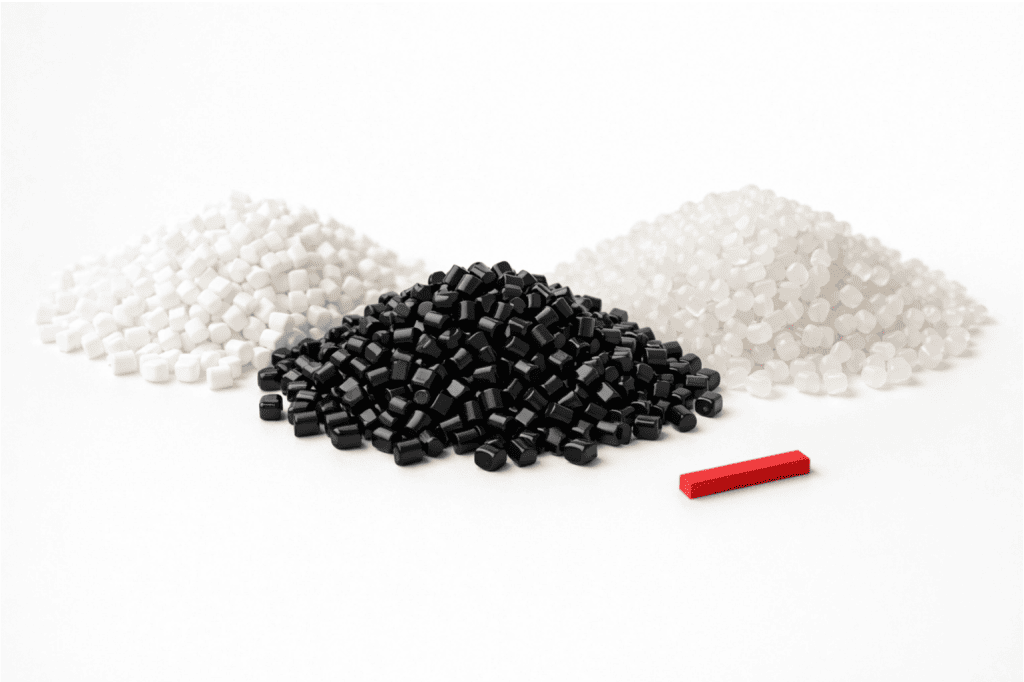
Virgin materials are newly produced plastics manufactured from raw fossil-based resources such as petroleum or natural gas. These materials offer consistent quality, predictable properties, and are readily available for various applications. They provide manufacturers with uniform characteristics and reliable performance specifications.
Post-Consumer Recycled (PCR) materials are derived from products that have completed their consumer use cycle and been collected for recycling. These materials help close the loop in the circular economy, significantly reducing environmental impact while maintaining functional performance for many applications.
Hybrid materials combine virgin and recycled content in optimized ratios to achieve specific performance requirements while improving sustainability profiles. This approach offers a balanced solution between cost efficiency and environmental responsibility.
| Aspect | PCR (Post-Consumer Recycled) | PIR (Post-Industrial Recycled) |
|---|---|---|
| Source | Consumer products after use (bottles, electronics, appliances) | Manufacturing waste (runners, sprues, defective parts) |
| Environmental Impact | Higher - addresses post-consumer waste | Moderate - industrial efficiency improvement |
| Volume | Larger scale, more abundant | Limited to manufacturing output |
| Processing Complexity | Higher - requires collection, sorting, cleaning | Lower - direct from production line |
| Cost | Generally higher than PIR | Lower, closer to virgin pricing |
| Brand Value | Higher - demonstrates sustainability commitment | Lower - internal efficiency focus |
| Property | Virgin Material | Recycled (PCR) | Hybrid (30-70% PCR) |
|---|---|---|---|
| Mechanical Strength | Excellent - consistent properties | Good to Excellent - varies by source | Very Good - optimized performance |
| Color Consistency | Excellent | Limited - natural colors vary | Good - can be optimized |
| Thermal Resistance | Full specification available | May be reduced | Tailored to requirements |
| Impact Strength | Predictable | Variable | Adjustable |
| Processing Stability | Excellent | Requires expertise | Good |
| Material Type | Price Range (USD/kg) | Cost Factors | Market Trend |
|---|---|---|---|
| Virgin PC | $2.80 - $4.50 | Oil price volatility, production costs | Stable with fluctuations |
| Virgin ABS | $2.20 - $3.40 | monomer costs, demand | Stable |
| rPC (PCR) | $2.00 - $3.50 | Collection, sorting, processing | Growing availability |
| rABS (PCR) | $1.50 - $2.80 | Source material quality | Expanding supply |
| Hybrid (50/50) | Between virgin and PCR | Blending optimization | Increasing adoption |
Recycled materials can reduce greenhouse gas emissions by up to 73% compared to virgin materials, significantly contributing to climate change mitigation.
Using recycled content can reduce cumulative energy consumption by up to 87%, as less energy is required for processing compared to virgin material production.
Recycling processes can reduce water consumption by up to 53%, addressing one of the most critical resource concerns in manufacturing.
Every ton of recycled plastic saves over 2 tons of oil resources and reduces landfill usage, contributing to a more sustainable future.
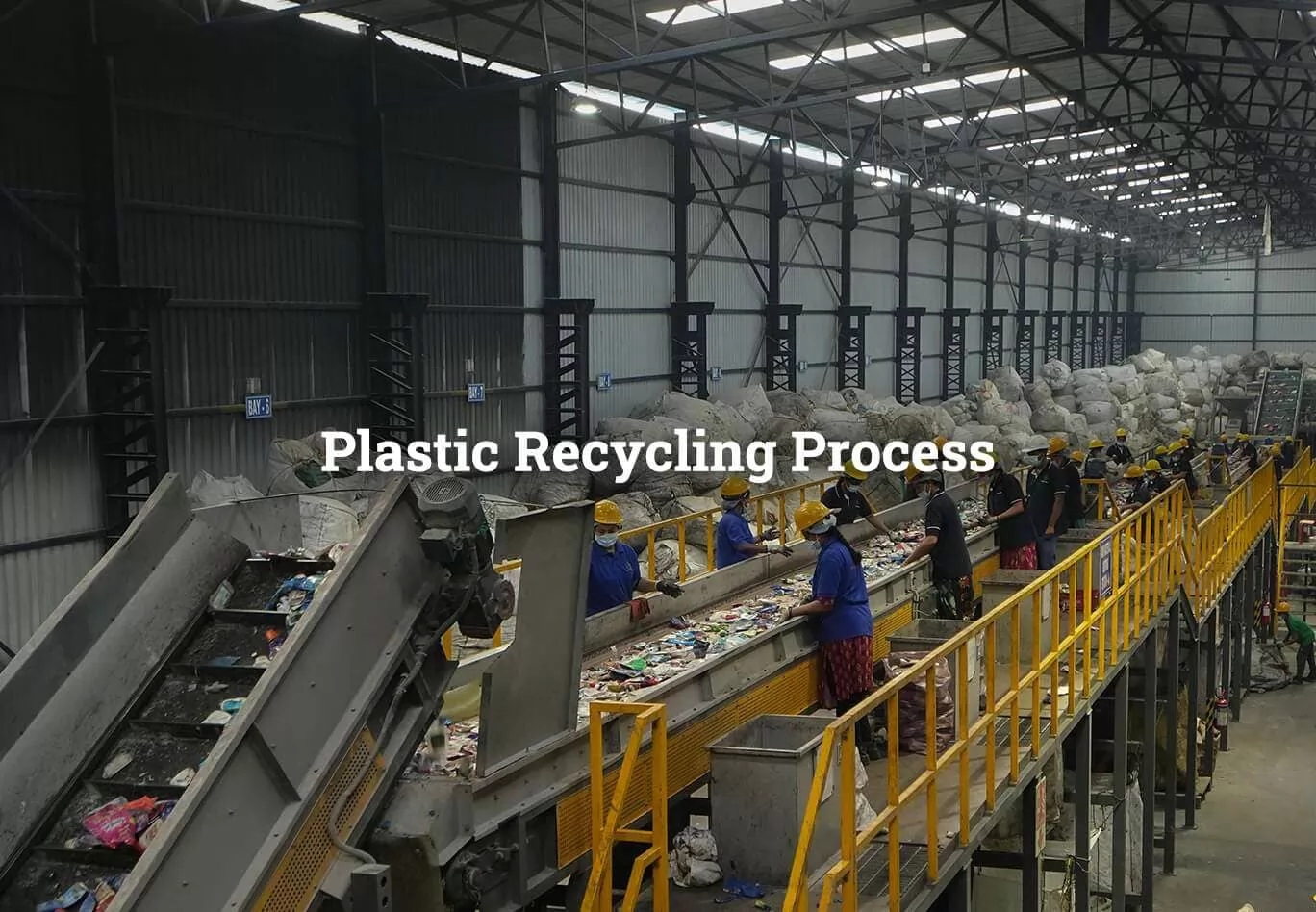
According to industry research, producing 1kg of recycled PET (rPET) chips can reduce greenhouse gas emissions by up to 73% and energy consumption by up to 87% compared to virgin PET. This makes recycled materials not only environmentally responsible but also increasingly economically viable.
Topcentral (Ningbo Topcentral New Material CO., Ltd) is China's Leading Manufacturer of Sustainable Low-Carbon Functional Materials. We offer comprehensive solutions across the entire recycled material spectrum, from post-consumer recycled plastics to advanced hybrid compounds.
Recycled Polycarbonate with up to 100% post-consumer recycled content. Excellent optical properties and impact strength for electronics and automotive applications.
PolycarbonateRecycled ABS providing sustainable alternative without compromising mechanical properties. Ideal for consumer electronics and appliance housings.
Engineering PlasticRecycled PET with exceptional clarity and food-contact approval. Perfect for packaging, textiles, and automotive applications.
PolyesterRecycled PA6/66 Nylon delivering high strength and thermal resistance. Suitable for automotive and industrial applications.
Engineering PlasticRecycled Polypropylene with excellent chemical resistance. Cost-effective solution for packaging and automotive components.
General PlasticRecycled Polyethylene for flexible applications. Versatile material for film, packaging, and construction uses.
General PlasticCertified recycled materials specifically designed for electronics industry. Meets strict environmental and performance standards.
Electronics GraderPPS (Recycled Polyphenylene Sulfide) offering exceptional thermal and chemical resistance for demanding applications.
Specialty Plastic_1772616718_WNo_1000d498.webp)
_1772616739_WNo_600d400.webp)
Automotive-sourced recycled PC technology that transforms end-of-life vehicle components into high-quality recycled materials, supporting circular economy in the automotive sector.
Advanced recycled PC processing technology that ensures consistent quality and performance, enabling broader applications for recycled polycarbonate materials.
Ocean plastic recycling initiative that transforms marine plastic waste into valuable recycled materials, addressing both ocean pollution and resource conservation.
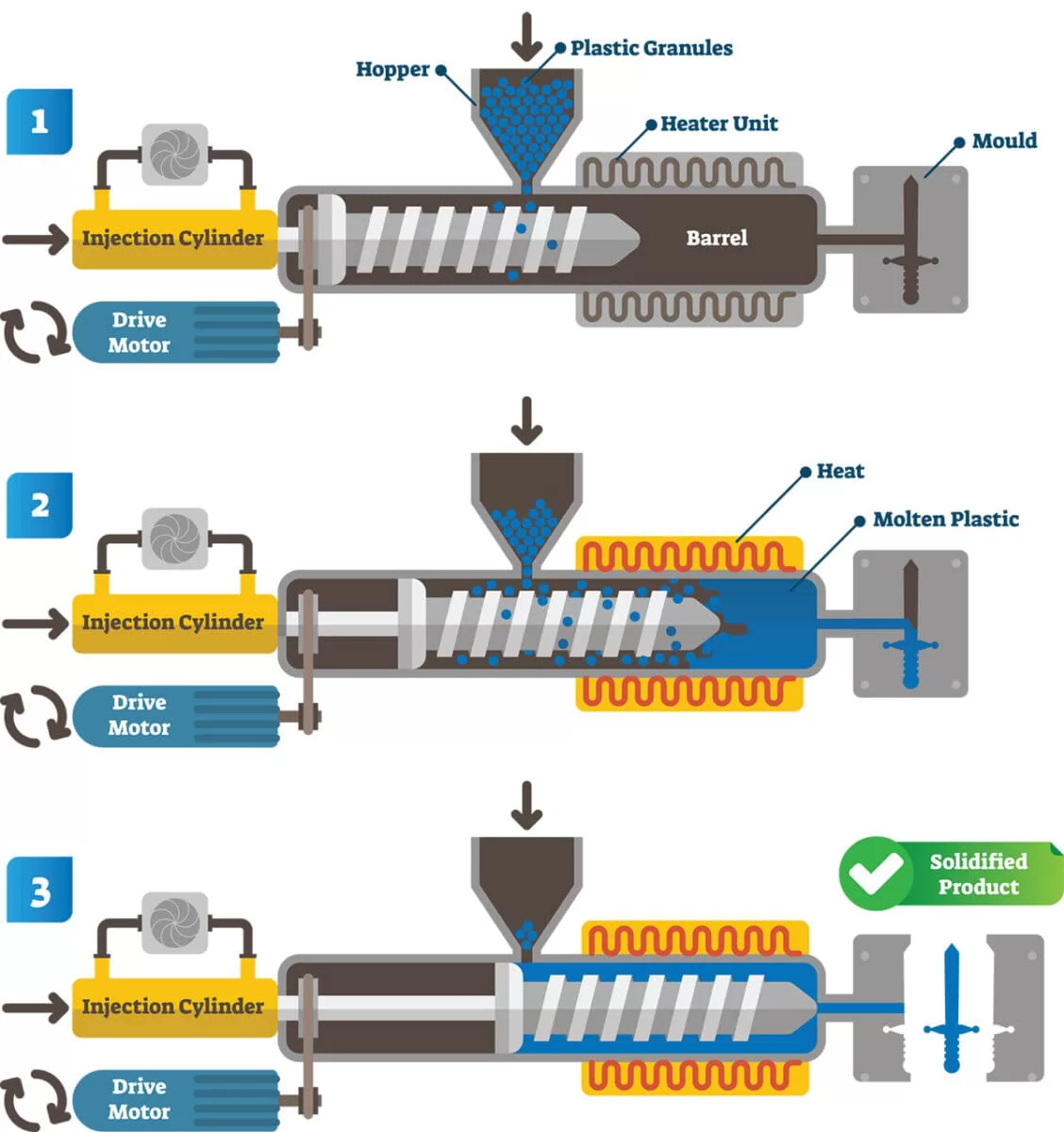
Define performance, cost, and sustainability targets
Select optimal virgin/recycled/hybrid ratio
Verify performance specifications
Obtain required compliance documentation
Scale to full manufacturing
Topcentral maintains comprehensive certifications to ensure material quality, traceability, and environmental compliance. Our certifications demonstrate our commitment to sustainable manufacturing and provide our customers with confidence in their material choices.
GRS
Global Recycled Standard
ISCC PLUS
International Sustainability & Carbon Certification
FDA
Food Contact Compliance
UL94 V-0
Flame Retardant Rating
RoHS 3.0
Hazardous Substances
| Certification | Key Benefits | Application Areas |
|---|---|---|
| GRS | Verified recycled content, supply chain traceability, social responsibility | Consumer products, retail brands, export markets |
| ISCC PLUS | Carbon footprint tracking, mass balance verification, international recognition | Automotive, electronics, packaging |
| FDA | Food safety compliance, regulatory approval | Food packaging, containers, kitchenware |
| UL94 V-0 | Fire safety compliance, product safety assurance | Electronics, automotive, industrial equipment |
| RoHS/REACH | Chemical compliance, environmental protection | Electronics, export to EU markets |
_1772616806_WNo_600d400.webp)
| Application | Recommended Material | PCR Content | Key Consideration |
|---|---|---|---|
| Electronics Housing | PCR PC, PCR ABS, ITEcycle® | Up to 100% | UL94 V-0, RoHS compliance required |
| Automotive Interior | ReAutoLoop® PC, Nairong® PA6/66 | 30-80% | Thermal resistance, durability |
| Food Packaging | TC-Rester® rPET, rPP | 50-100% | FDA approval essential |
| Appliance Components | IBISS® rABS, Ploypoy® rPP | 30-70% | Cost-performance balance |
| Construction | rPVC, rPE, rPP Compounds | 20-50% | Weather resistance, longevity |
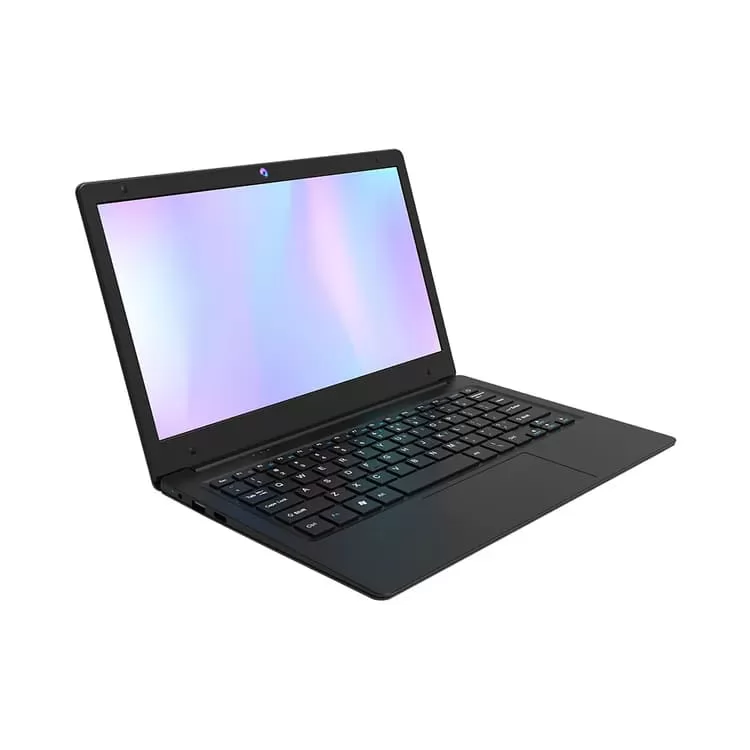
For most applications, starting with a 30-50% PCR content hybrid provides an optimal balance between sustainability benefits and performance consistency. As supply chains mature and experience grows, PCR content can be progressively increased. Topcentral offers technical support to help customers optimize their material selection strategy.
Discover this amazing content and share it with your network!

Navigate the future of sustainable manufacturing with our in-depth comparison of virgin, recycled, and hybrid plastics, revealing up to 73% carbon reduction, 87% energy savings, and optimal performance for electronics, automotive, and packaging applications.

Discover how Topcentral solves the industry's toughest batch-stability challenges through end-to-end digital quality control, building a safe, reliable, and fully traceable green supply chain for your business.

Topcentral leads UK recycled plastics in 2026 with innovative, sustainable solutions driving circular economy growth and industry excellence.