/
/
 "The demand for recycled plastic resin is growing as manufacturers look for ways to reduce virgin plastic consumption without sacrificing material performance."
The demand for recycled plastic resin is growing as manufacturers look for ways to reduce virgin plastic consumption without sacrificing material performance. Recycled resins are now used across packaging, automotive components, electronics, consumer products, construction materials, and other industrial applications.
For procurement teams, however, choosing a recycled plastic resin manufacturer involves more than comparing prices. Material consistency, PCR content, certifications, available grades, production scale, traceability, and technical support can all affect the final sourcing decision.
This guide compares 10 leading recycled plastic resin manufacturers in 2026, covering major materials such as rPET, rPP, rHDPE, rABS, rPC, rPBT, and other recycled engineering polymers. The companies are selected based on their recycled resin capabilities, material range, supply scale, certification coverage, and suitability for different industrial applications.
For buyers looking for a broader overview of the global market, explore our comprehensive guide to top recycled plastic manufacturers worldwide.
This list is designed for B2B procurement research rather than as an official industry ranking. Manufacturers were evaluated according to how directly their operations support recycled resin sourcing and how well their materials match industrial purchasing requirements.
| Evaluation Factor | Weight |
|---|---|
| Recycled resin capabilities | 25% |
| Material and grade range | 20% |
| Certifications and traceability | 20% |
| Manufacturing and supply scale | 15% |
| Application coverage | 10% |
| Technical support and customization | 10% |
The evaluation gives greater weight to actual recycled resin capabilities, material consistency, and certification because these factors directly affect purchasing decisions. Companies focused primarily on waste collection or recycling infrastructure were given less priority than manufacturers supplying recycled polymers, pellets, or compounds for industrial processing.
The ranking should therefore be viewed as a practical sourcing reference rather than a definitive statement about which company is objectively the largest or best.
The following table provides a quick overview of each manufacturer's main recycled materials and typical sourcing strengths.
| Rank | Manufacturer | Main Recycled Materials | Best For |
|---|---|---|---|
| 1 | Indorama Ventures | rPET | PET packaging |
| 2 | Veolia / PlastiLoop | rPET, rPP, rHDPE, rLDPE | Multi-polymer sourcing |
| 3 | KW Plastics | rPP, rHDPE | Recycled polyolefins |
| 4 | LyondellBasell | Recycled PP/PE, engineering polymers | Industrial applications |
| 5 | Ravago Manufacturing | Recycled compounds | Engineering plastics |
| 6 | ALPLA | rPET, rHDPE | Circular packaging |
| 7 | PureCycle | rPP | High-purity recycled PP |
| 8 | Far Eastern New Century | rPET, recycled polyester | Textile and packaging |
| 9 | Topcentral | rABS, rPP, rPC, rPBT | Engineering PCR |
| 10 | MBA Polymers | PCR engineering plastics | Automotive and electronics |
Company Overview: Indorama Ventures is one of the major global producers of PET and has operated in plastics recycling since 2011. Its recycling operations convert post-consumer PET bottles into flakes, recycled PET resin, and recycled polyester products. The company operates recycling facilities across regions including Europe, North America, and Asia, making it a strong option for buyers with high-volume PET sourcing requirements.
Main Recycled Materials:
Best For: High-volume PET packaging, beverage bottles, food-related applications, textiles, and other products requiring consistent rPET feedstock.
Key Advantages:
Certifications / Compliance: Buyers should request the specific recycled-content, food-contact, and chain-of-custody documentation applicable to the selected grade and destination market.
Company Overview: Veolia's PlastiLoop business provides recycled plastics for industrial customers across multiple polymer categories. Unlike suppliers focused on a single resin, PlastiLoop covers materials including PET, PP, HDPE, LDPE, PS, ABS, and PC. Its offering combines recycling, material formulation, and ready-to-use circular polymers, giving procurement teams access to multiple recycled materials through one supplier network.
Main Recycled Materials:
Best For: Manufacturers seeking multi-polymer sourcing across packaging, automotive, appliances, construction, agriculture, and industrial applications.
Key Advantages:
Certifications / Compliance: Certification and technical documentation vary by polymer and production site. Buyers should confirm the applicable recycled-content certification, food-contact status, TDS, and regulatory documentation for each grade.
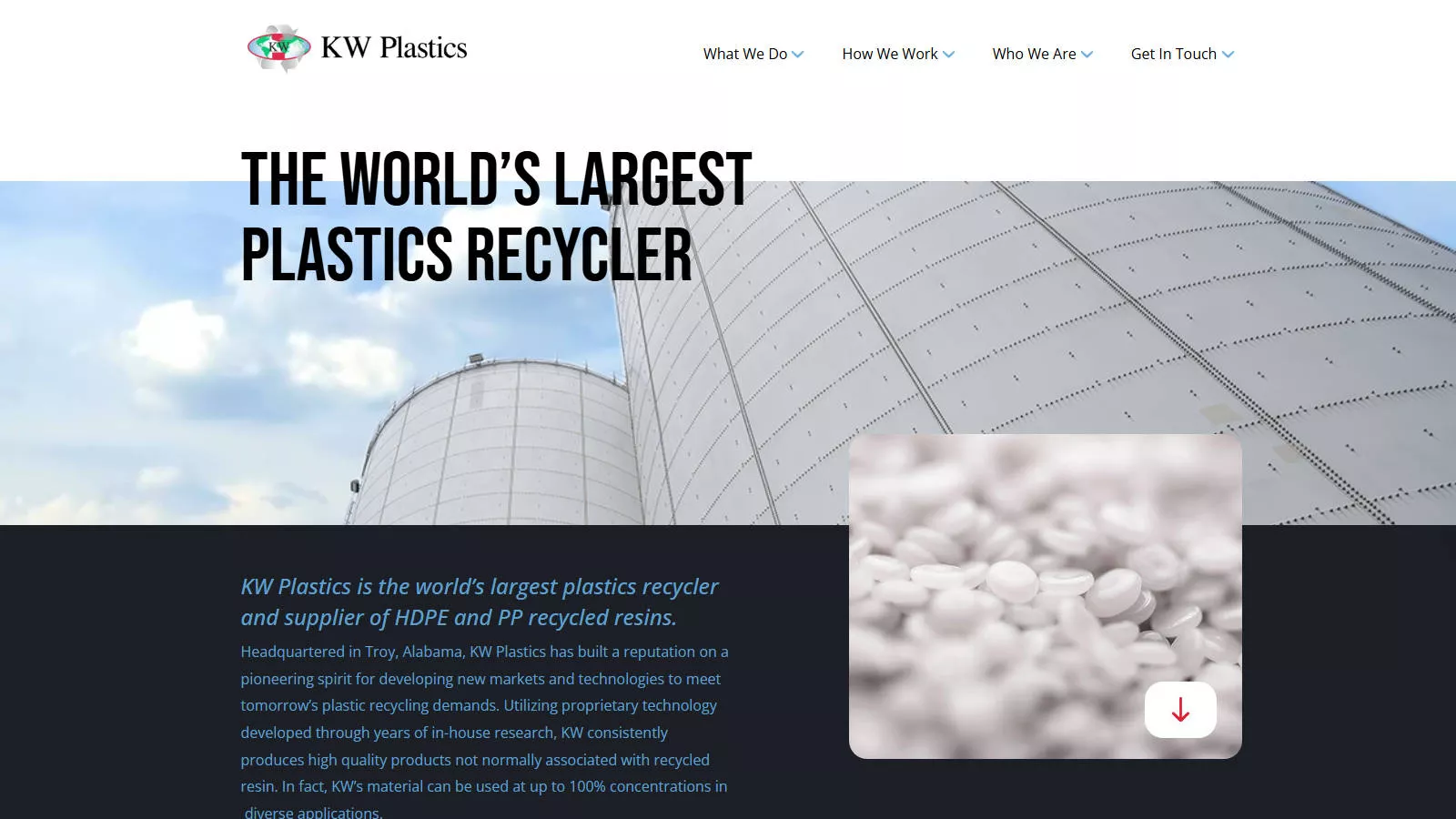
Company Overview: KW Plastics specializes in recycled polyethylene and polypropylene resins and describes itself as a major plastics recycler and supplier of HDPE and PP recycled resins. Its materials are supplied to industries including packaging, automotive, housewares, agriculture, pipe, coatings, and sheet products. This makes KW particularly relevant for buyers whose applications are based on recycled polyolefins.
Main Recycled Materials:
Best For: Injection molding, blow molding, extrusion, film, packaging, automotive, pipe, and other applications requiring recycled PP or HDPE.
Key Advantages:
Certifications / Compliance: KW Plastics lists ISO 9001:2015 registration and an ISO/IEC 17025:2017 accredited laboratory for its resin operations. Buyers should still confirm the certification and specification requirements for the exact grade being purchased.
Company Overview: LyondellBasell offers recycled polymers through its Circulen portfolio, including mechanically recycled materials under the CirculenRecover range. These materials are produced from post-consumer or post-industrial plastics and are designed for applications where manufacturers need recycled content while maintaining targeted processing and performance characteristics.
Main Recycled Materials:
Best For: Automotive components, packaging, consumer products, industrial applications, and other products requiring engineered recycled polymer performance.
Key Advantages:
Certifications / Compliance: Certification and recycled-content claims depend on the individual Circulen grade and production route. Procurement teams should verify recycled-content percentage, chain-of-custody requirements, regulatory compliance, and technical specifications before approval.
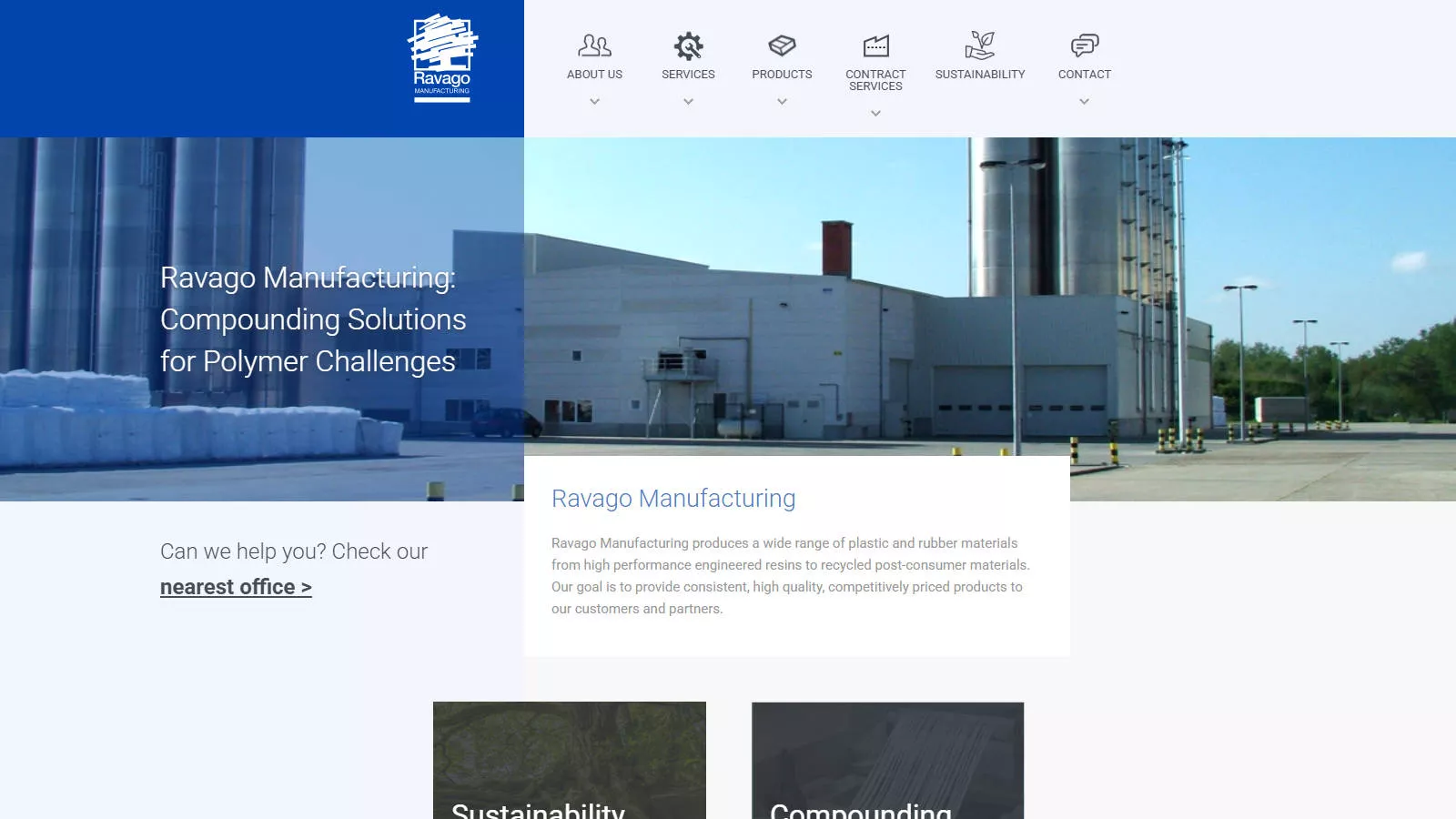
Company Overview: Ravago Manufacturing is a polymer compound producer with a portfolio covering polyolefins, engineering plastics, thermoplastic elastomers, and rubbers. Its recycled-material offering includes both post-industrial recycled (PIR) and post-consumer recycled (PCR) compounds. This makes Ravago particularly relevant when buyers need more than commodity recycled resin and require formulated materials for specific processing or performance requirements.
Main Recycled Materials:
Best For: Automotive, electrical and electronics, consumer goods, packaging, and applications requiring customized recycled polymer compounds.
Key Advantages:
Certifications / Compliance: Ravago emphasizes quality and traceability for its recycled compounds. Buyers should request the relevant recycled-content certification, material specification, regulatory documentation, and batch-level information for the selected product.
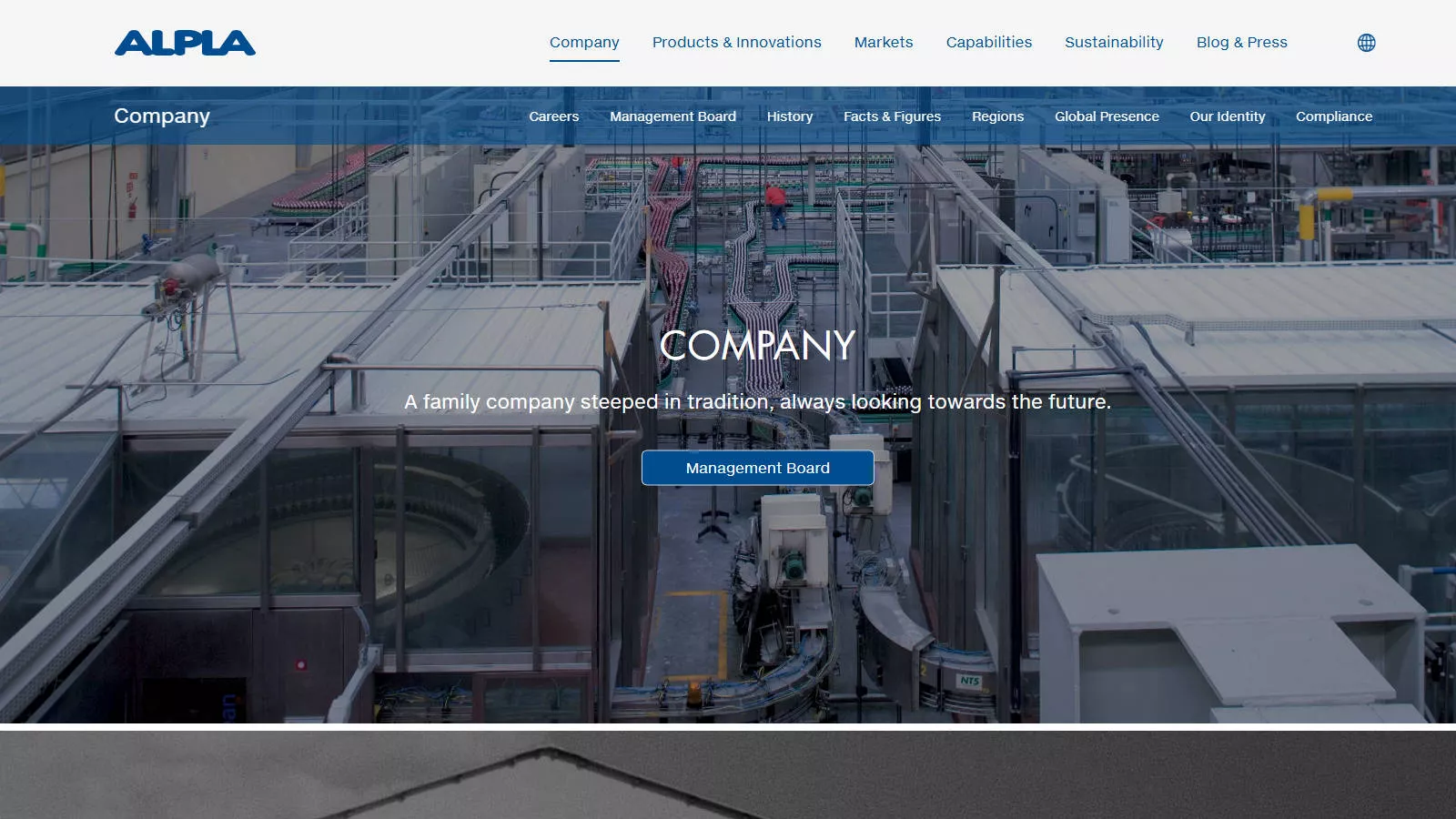
Company Overview: ALPLA is a global packaging manufacturer with a strong focus on circular plastics and recycled materials. Its recycling activities include the production and use of recycled PET and recycled HDPE, particularly for packaging applications. The company's vertically integrated approach connects collection, recycling, packaging production, and material reuse, making it relevant to buyers seeking recycled resin within a closed-loop packaging supply chain.
Main Recycled Materials:
Best For: Beverage packaging, food and consumer packaging, bottles, containers, and other applications where recycled content and packaging performance must be considered together.
Key Advantages:
Certifications / Compliance: Certification requirements vary according to material, application, and market. Buyers should confirm food-contact approval, recycled-content certification, traceability documentation, and applicable regional requirements for each grade.
Company Overview: PureCycle Technologies focuses specifically on recycled polypropylene through a purification-based recycling process. Its PureFive resin portfolio includes Ultra and Choice grades designed for applications requiring high recycled content and controlled material properties. PureCycle is therefore more specialized than diversified recycling companies and is particularly relevant to manufacturers looking for high-purity recycled PP.
Main Recycled Materials:
Best For: Packaging, consumer products, automotive components, injection molding, and other applications where high-purity recycled polypropylene is required.
Key Advantages:
Certifications / Compliance: PureFive products are GreenCircle Certified for recycled content, while PureFive Ultra is also listed as APR PCR certified. Buyers should confirm the applicable certification and grade-specific documentation before purchasing.
Company Overview: Far Eastern New Century (FENC) has extensive experience in polyester manufacturing and recycling, with recycled PET materials serving both textile and packaging-related applications. Its recycling operations include post-consumer PET bottle processing and recycled polyester production. The company also develops technologies for recycling polyester textile waste, extending its circular-material capabilities beyond conventional bottle recycling.
Main Recycled Materials:
Best For: Textiles, apparel, packaging, PET materials, recycled polyester fibers, and applications requiring traceable recycled polyester content.
Key Advantages:
Certifications / Compliance: FENC's recycled PET filament products include GRS and SCS certifications, while other products may carry different certification schemes depending on application and market. Buyers should verify the certification attached to the specific material being sourced.
Company Overview: Topcentral supplies recycled plastic pellets and compounds across commodity and engineering polymer categories. Its portfolio includes recycled ABS, PP, PE, PET, AS, PC, PA6, PA66, and PBT, together with recycled compounds for applications requiring more controlled material properties. This makes the company particularly relevant for buyers sourcing engineering-grade PCR materials rather than only standard recycled commodity resins.
For buyers specifically evaluating engineering recycled materials, read our technical rABS plastic guide for in-depth insights. The company also offers high-performance recycled PC compounds for applications requiring recycled engineering-grade PC materials.
Main Recycled Materials:
Best For: Injection molding, electronics, electrical components, automotive parts, consumer products, and other applications requiring recycled engineering plastics.
Key Advantages:
Certifications / Compliance: Certification and technical documentation should be evaluated on a grade-by-grade basis. Buyers should request the relevant TDS, SDS where applicable, recycled-content documentation, regulatory information, and batch specifications before qualification.
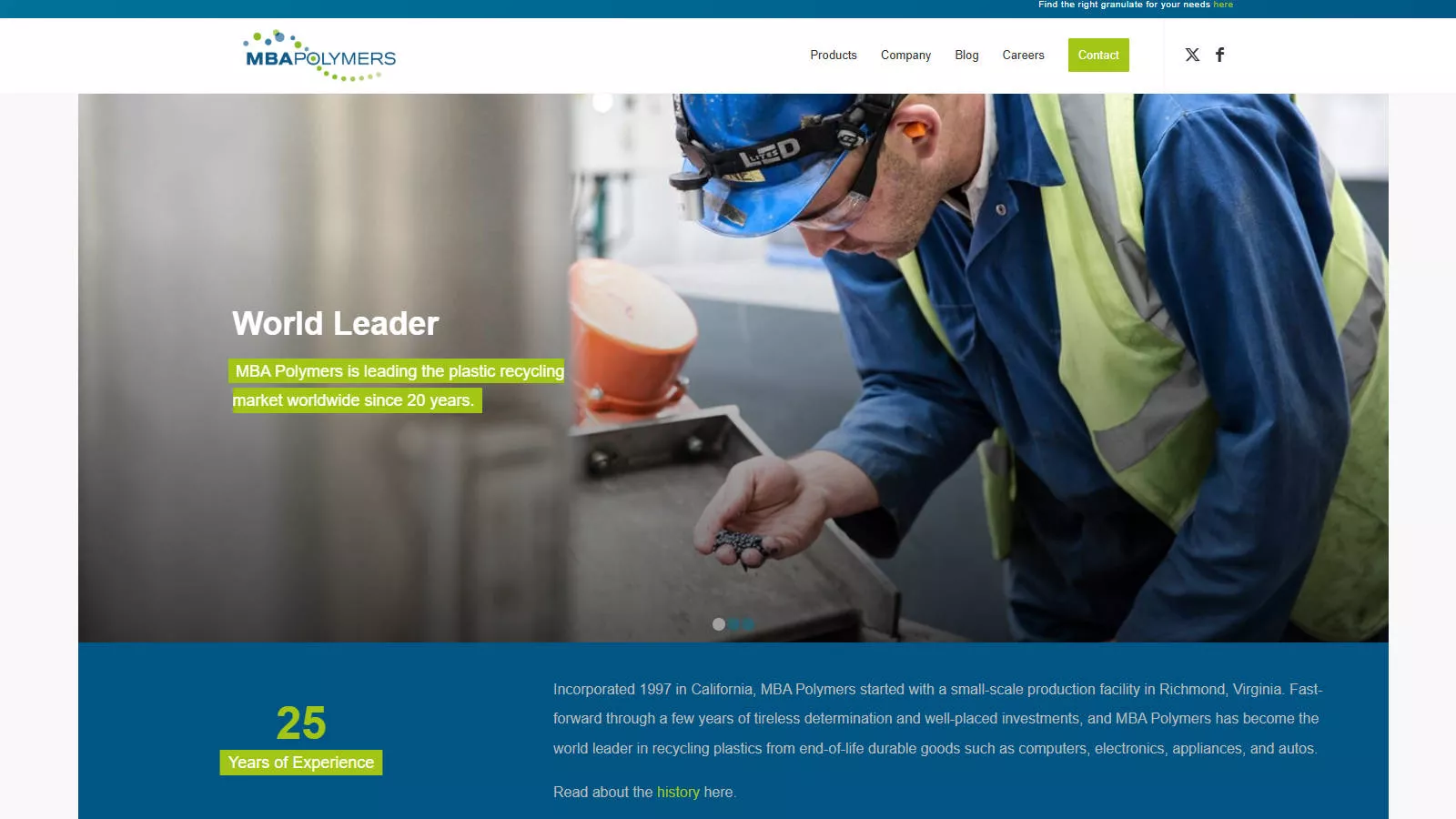
Company Overview: MBA Polymers has historically specialized in recovering valuable plastics from complex post-consumer waste streams, particularly from durable goods such as automotive and electrical products. Its approach has focused on separating and processing engineering plastics that would otherwise be difficult to recover through conventional recycling systems.
Main Recycled Materials:
Best For: Automotive components, electrical and electronic products, appliances, and applications requiring recycled engineering polymers from post-consumer sources.
Key Advantages:
Certifications / Compliance: Certification, production status, and current material availability should be confirmed directly with the supplier before procurement. Buyers should request current technical data, recycled-content documentation, compliance information, and supply details for the required grade.
The best recycled plastic resin manufacturer depends on the polymer, processing method, required recycled content, and final application. A supplier that is strong in rPET may not be the right choice for an automotive component requiring reinforced recycled PBT or PC.
Indorama Ventures, ALPLA, and Far Eastern New Century are strong options for buyers primarily sourcing recycled PET and polyester-based materials. Their capabilities are particularly relevant to beverage packaging, bottles, textiles, and other high-volume PET applications.
KW Plastics, Veolia, and PureCycle are worth considering when recycled polypropylene or polyethylene is the main requirement. The final selection should depend on purity, MFR, PCR percentage, processing method, and required certification.
Ravago Manufacturing, LyondellBasell, and MBA Polymers are more relevant when recycled material must meet specific engineering requirements. Buyers should compare mechanical properties, thermal performance, flame-retardant requirements, reinforcement options, and batch consistency rather than evaluating recycled content alone.
Topcentral and Ravago Manufacturing are suitable options when standard recycled resin is not enough and the application requires a formulated compound. For example, recycled PBT can be modified with glass fiber or flame-retardant systems to meet electrical, electronic, automotive, or precision-molding requirements.
Topcentral's recycled PBT portfolio includes high-quality recycled PBT pellets as well as modified recycled PBT compounds, with options for glass-fiber reinforcement and flame retardancy.
Choosing a recycled resin supplier should involve the same level of technical qualification as sourcing virgin engineering plastics. Price is important, but it should not be the only purchasing criterion.
First determine whether the application requires post-consumer recycled (PCR) material, post-industrial recycled (PIR) material, or a combination of both. PCR generally provides stronger support for recycled-content targets, while PIR may offer greater consistency depending on the production source.
Check MFR or MVR, tensile strength, flexural strength, impact performance, density, moisture, color, ash, and other properties relevant to the application. Request samples and compare multiple batches where consistency is critical.
Ask for the certifications applicable to the exact grade rather than relying on company-level claims. Depending on the market and application, buyers may need GRS, ISCC PLUS, UL-related documentation, food-contact approval, RoHS/REACH compliance, or other regulatory evidence.
A material may be technically suitable but commercially impractical if the supplier cannot support the required MOQ, lead time, annual volume, or geographic delivery requirements. Procurement teams should confirm regular production availability rather than relying only on sample stock.
For engineering applications, technical support can be as important as resin availability. Buyers should determine whether the supplier can provide TDS, SDS where applicable, processing recommendations, color matching, reinforcement, flame-retardant modification, and customized compound development.
What is recycled plastic resin?
Recycled plastic resin is a polymer material produced by processing plastic waste or previously used plastic products into reusable pellets, granules, or compounds. Depending on the feedstock, it may be classified as PCR, PIR, or another recycled-content material.
What is the difference between PCR and PIR resin?
PCR means post-consumer recycled resin made from plastics discarded after consumer use, while PIR comes from industrial manufacturing waste generated before products reach consumers. The appropriate option depends on recycled-content targets, performance requirements, and certification needs.
Which recycled resin is best for injection molding?
There is no single best recycled resin for every injection-molding application. rPP and rHDPE are common choices for general-purpose components, while recycled ABS, PC, PA, and PBT can be considered for more demanding engineering applications. Grade-specific testing is essential before production.
What certifications should buyers look for?
The required certification depends on the material and end use. Buyers may need recycled-content certification such as GRS or ISCC PLUS, regulatory documentation such as RoHS or REACH, or application-specific approvals such as food-contact compliance. Always verify certification against the exact grade.
How do I choose a recycled plastic resin manufacturer?
Compare the supplier's recycled material range, PCR/PIR content, quality consistency, certifications, production capability, technical support, MOQ, and delivery capacity. Request a TDS, relevant compliance documents, samples, and batch information before completing supplier qualification.
Recycled plastic resin sourcing is becoming more specialized. Buyers are no longer evaluating suppliers only by recycled content or price; material consistency, certification, traceability, application performance, and technical support are increasingly important.
The recycled plastic resin manufacturers in this list represent different sourcing strengths, from high-volume rPET and recycled polyolefins to engineering-grade recycled compounds. The right choice ultimately depends on the polymer, application, processing requirements, recycled-content target, and regional compliance requirements.
For manufacturers evaluating engineering recycled plastics, Topcentral offers recycled materials including rABS, rPC, rPP, and rPBT in pellet and compound formats. Its recycled PBT range, for example, includes PCR materials for injection molding and customized reinforced or flame-retardant compounds for electrical, electronics, and automotive applications.
Before placing a production order, procurement teams should always qualify the specific material grade rather than selecting a supplier based solely on its overall market position.
Discover this amazing content and share it with your network!

The global recycled plastic industry is evolving rapidly in 2026. This guide profiles the top manufacturers leading the charge in PET, HDPE, and PP recycling technologies.

Learn how to select the right PCR PC material with this guide covering grades, performance, applications, certifications, and supplier evaluation for sustainable polycarbonate solutions.

This comprehensive guide explores rABS plastic (recycled Acrylonitrile Butadiene Styrene), detailing its manufacturing process, material properties, comparison with virgin ABS, key application requirements, and how manufacturers can select the ideal grade for sustainable injection molding.