/
/
As the circular economy continues to reshape material sourcing and product development, recycled plastics are being asked to deliver much more than recycled content alone. Manufacturers increasingly need stable performance, reliable supply, application-specific material development, traceable sourcing, and clearer carbon information.
At the 17th Highly-functional Material Week in Japan from September 30 to October 2, 2026, Topcentral® will present how these requirements can be connected through a more complete closed-loop recycled material approach.
Rather than presenting recycling as a single production step, Topcentral® focuses on connecting waste recovery, material regeneration, performance modification, downstream applications, traceability, and carbon management. Together, these capabilities form a practical pathway for converting plastic waste into commercially usable materials for a new generation of products.
A successful circular material system starts with the waste stream, but it cannot end there. Recovered plastics must pass through a series of processes before they can become reliable industrial raw materials.
Depending on the source and material type, these processes may include collection, sorting, cleaning, impurity removal, regeneration, compounding, performance modification, testing, and final application development. Topcentral® combines recycled material manufacturing with application-oriented development to help transform recovered resources into materials that can be used in real commercial products.
Its recycled plastic portfolio covers a wide range of polymer systems, including rABS, rPET, rPP, rPE, rPC, rPA and other recycled engineering plastics and compounds. Different grades can be developed around customer requirements for physical properties, appearance, processing behavior, recycled content, environmental compliance, and final-use conditions.
Marine plastic pollution presents a particular recycling challenge. Discarded fishing nets, marine-bound plastics, and other coastal waste streams are often contaminated, mixed, or difficult to process consistently. Without an economically viable route back into manufacturing, much of this material has limited recovery value.
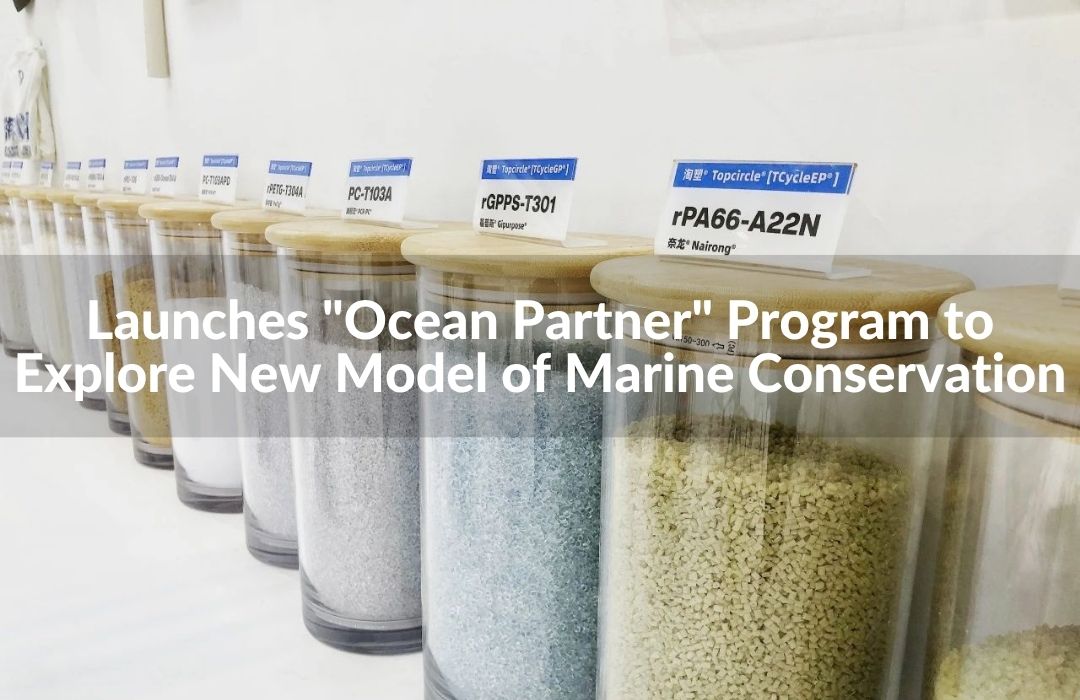
Topcentral®'s Ocean Circular Innovation initiative is designed to help close this gap. Recovered marine and coastal plastic resources can be sorted, deeply cleaned, regenerated, modified, and transformed into recycled material grades for downstream manufacturing.
The company's ocean circular material portfolio covers multiple polymer categories, including recycled ABS, PET, PP, PE, PA6, PC, and PS. Customized development can also take into account material source, downstream application, performance requirements, carbon footprint, and life-cycle considerations.
By creating higher-value applications for recovered plastic waste, the model aims to connect environmental action with commercial demand. This is essential for developing recycling systems that can continue operating through long-term market value rather than relying only on waste disposal or environmental initiatives.
Automotive and mobility applications demonstrate how recycled plastics are moving into increasingly demanding sectors. Components used in vehicles and mobility products may require a combination of mechanical performance, weather resistance, low odor, stable processing, appearance control, and long-term consistency.
Topcentral® develops recycled material solutions around the actual requirements of downstream applications. This approach allows recycled plastics to be considered not simply as substitutes for conventional materials, but as engineered materials designed around specific processing and performance conditions.
By linking recovered resources with material modification and application development, circular material solutions can support manufacturers seeking to reduce dependence on virgin resources while maintaining appropriate product performance.
For global supply chains, one of the key questions surrounding recycled materials is increasingly simple: where did the material come from, and how can the information be verified?
Topcentral®'s Back2Circle® platform applies digital technologies to improve traceability across circular material flows. The platform is designed to connect physical material circulation with digital information, supporting records related to material origin, recycled content, chain of custody, and other sustainability information.
This gives brands, manufacturers, and supply-chain partners a clearer way to understand the journey behind recycled materials and supports greater transparency throughout the material life cycle.
Traceability and carbon management are becoming increasingly interconnected. As companies set carbon reduction targets, material selection can influence both product-level emissions and broader supply-chain sustainability strategies.
Topcentral®'s PCFNOW platform focuses on product carbon footprint management and carbon-related data. Together with recycled material development and traceability capabilities, it forms part of Topcentral®'s broader approach to making circular material information more measurable and accessible.
This combination of materials, application engineering, traceability, and carbon information helps move the discussion beyond the question of whether a product contains recycled plastic. It allows manufacturers to consider how recycled materials fit into a more complete sustainability strategy.
The solutions presented by Topcentral® can be understood as a connected circular chain:
By connecting these individual steps, recycled plastics can move from waste management into a scalable industrial material system. For customers, this means the opportunity to discuss not only a recycled resin grade, but also material sourcing, customization, downstream applications, traceability, and carbon management within a single circular material framework.
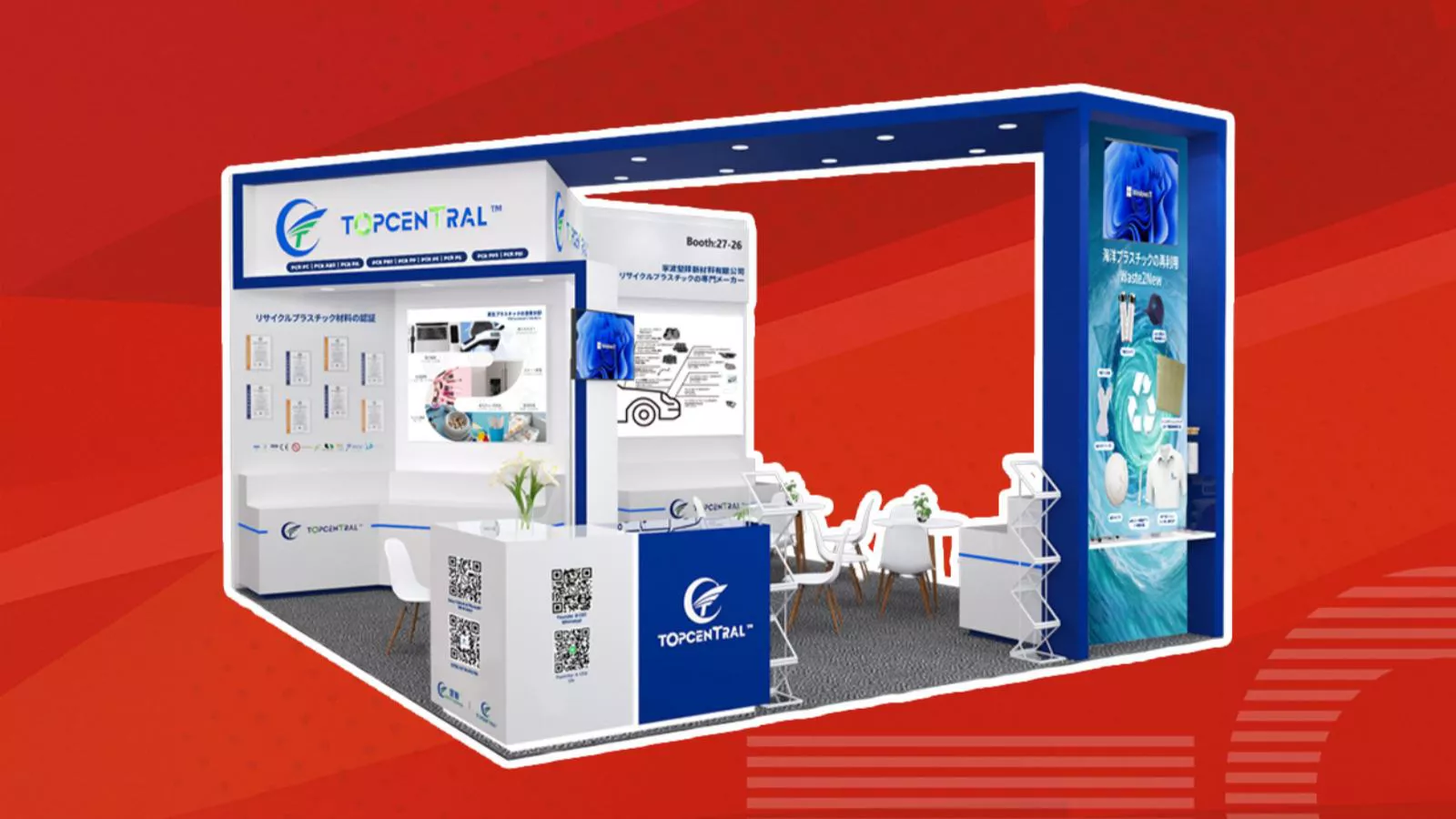
Topcentral® will showcase these circular material concepts at the 17th Highly-functional Material Week, held at Makuhari Messe, Japan, from September 30 to October 2, 2026.
Visitors are welcome to meet the Topcentral® team at Booth 27-26 to discuss PCR recycled plastics, ocean circular materials, automotive circular solutions, customized material development, traceability, and product carbon footprint requirements.
We look forward to working with partners across the value chain to turn more recovered plastic resources into reliable materials, valuable products, and practical circular solutions.
Discover this amazing content and share it with your network!

Discover how Topcentral® transforms plastic waste into high-value recycled materials through PCR solutions, ocean circular innovation, traceability, and carbon management technologies.

Material Week Japan 2026, recycled plastic materials, PCR recycled materials, sustainable materials, recycled plastic manufacturer

The global recycled plastic industry is evolving rapidly in 2026. This guide profiles the top manufacturers leading the charge in PET, HDPE, and PP recycling technologies.