/
/
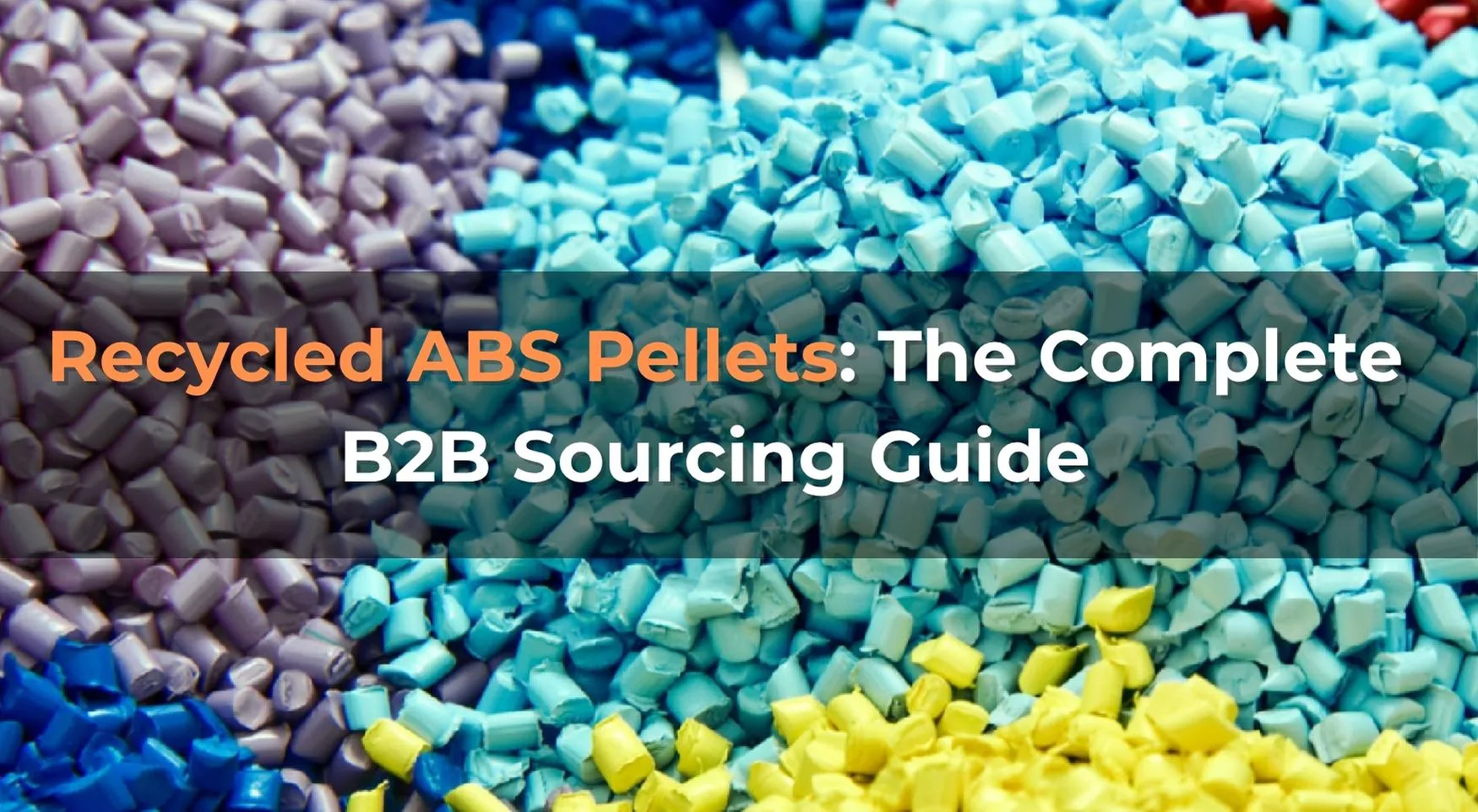
As global industries accelerate their transition toward sustainable manufacturing, recycled plastics are becoming an essential material choice for companies seeking to reduce environmental impact while maintaining product performance. Among various recycled engineering plastics, recycled ABS pellets have attracted increasing attention from Original Equipment Manufacturers (OEMs) and plastic product manufacturers due to their balanced mechanical properties, excellent processing performance, and broad application potential.
Acrylonitrile Butadiene Styrene (ABS) has long been one of the most widely used engineering thermoplastics in industries such as automotive components, consumer electronics, home appliances, and industrial products. With growing demand for recycled content and circular economy solutions, recycled ABS pellets provide manufacturers with an effective way to incorporate Post-Consumer Recycled (PCR) or Post-Industrial Recycled (PIR) materials into new products.
However, selecting recycled ABS is not simply a matter of replacing virgin ABS with a lower-cost alternative. Procurement teams and engineers must consider material consistency, mechanical properties, processing stability, appearance requirements, certification standards, and supplier capabilities before making a purchasing decision.
This comprehensive guide explains everything B2B buyers need to know about recycled ABS pellets, including their manufacturing process, material properties, advantages compared with virgin ABS, typical applications, quality evaluation methods, and how to source a reliable recycled ABS manufacturer to ensure supply chain stability.
To understand why quality varies significantly among different suppliers, it is crucial to understand the manufacturing process of recycled ABS pellets. Transforming end-of-life plastic products or factory offcuts into high-quality engineering plastics requires professional recycling capabilities and advanced technology. The standard recycling process generally involves the following critical stages:
The foundation of high-quality recycled ABS pellets lies in the purity of the raw material source. Depending on the origin of the waste, materials are generally classified as:
Advanced sorting facilities use near-infrared (NIR) sensors, color sorters, electrostatic separation, and manual inspection to separate ABS plastics from mixed plastic waste accurately.
Once sorted, the ABS material is shredded or crushed into small flakes. For PCR materials, thorough washing is essential to remove dust, labels, adhesives, dirt, oil, and potential chemical residues. Hot washing with specialized detergents, followed by friction washing and sink-float separation tanks, ensures that only clean ABS flakes proceed to the next stage.
The clean ABS flakes are then dried to remove moisture before entering an extrusion line. Inside a heated extruder barrel (typically a twin-screw extruder for better compounding and dispersion), the ABS flakes are melted and mixed. During the melting process, a fine-mesh melt filter removes any residual microscopic impurities (such as tiny metal particles or un-melted foreign plastics) that could affect the final material's strength or surface appearance.
To recover the mechanical properties lost during previous processing cycles or environmental aging, professional manufacturers compound the recycled ABS melt with specific additives, impact modifiers, antioxidants, or stabilizers. If required by the customer, colorants (masterbatch) or reinforcing fillers (like glass fiber or minerals) can also be added at this stage to produce custom-tailored modified recycled ABS pellets.
The compounded melt is forced through a die plate, cut into uniform pellets, rapidly cooled (via water bath or underwater pelletizing systems), dried, and classified. Finally, the recycled ABS pellets are tested by the quality control (QC) laboratory before being packed into 25kg bags, octabins, or bulk bags for shipment to manufacturers.
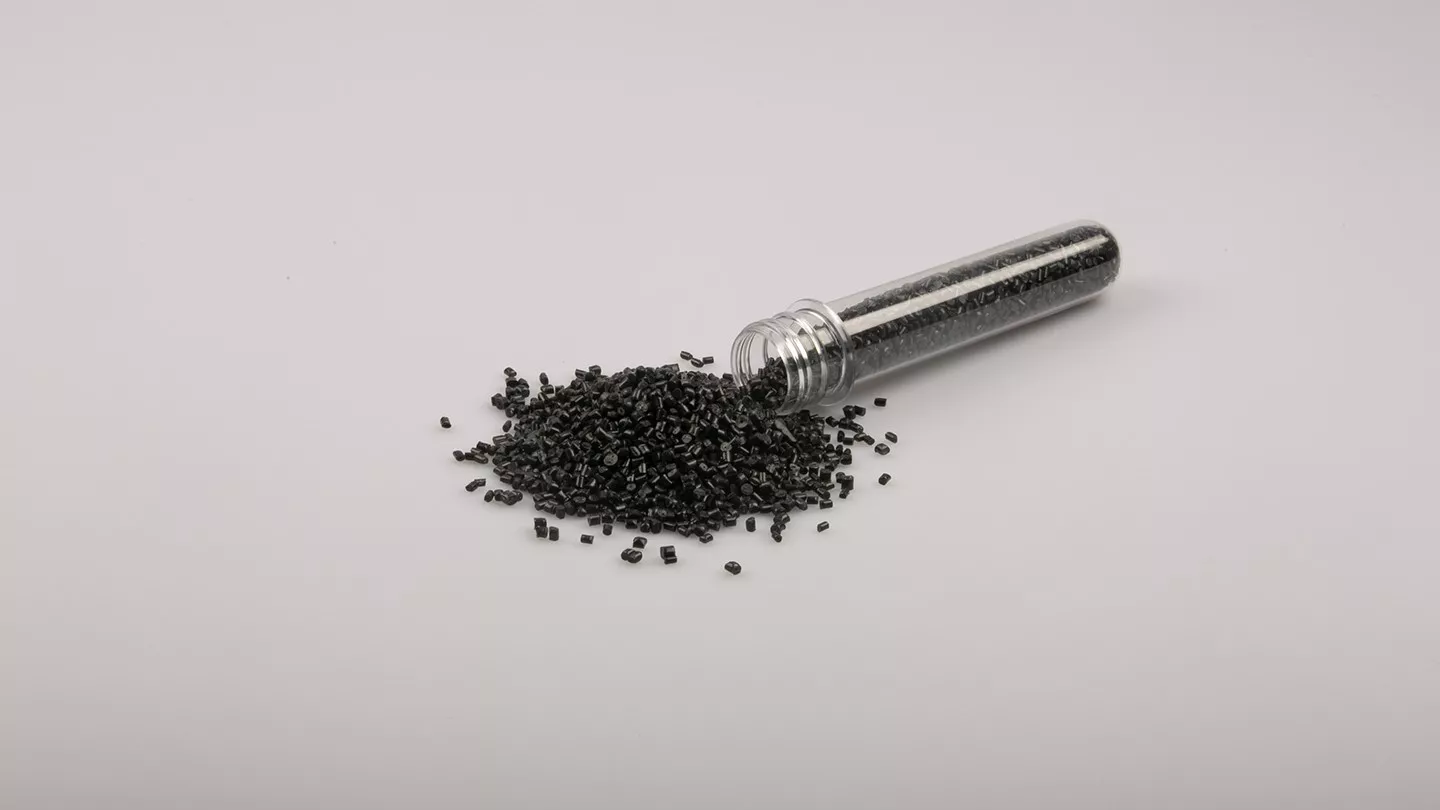
Like virgin ABS, recycled ABS pellets are favored for their balanced combination of properties. The acronym ABS represents three different monomers, each contributing specific characteristics to the final material:
A high-quality recycled ABS pellet, especially when professionally compounded and modified, retains a significant portion of these original properties. While there may be a slight degradation in impact resistance or color brightness compared to virgin prime material, properly engineered recycled ABS provides performance that is entirely sufficient for many demanding engineering applications. Common variations include:
For B2B buyers evaluating whether to transition part of their supply chain to recycled ABS pellets, understanding the trade-offs and advantages compared with virgin Prime ABS is crucial.
| Comparison Factor | Virgin ABS Pellets | Recycled ABS Pellets (High Quality) |
|---|---|---|
| Carbon Footprint & Sustainability | High energy consumption and GHG emissions during petrochemical production. | Significantly lower carbon footprint (up to 70% reduction in Scope 3 Category 1 emissions). Supports Circular Economy goals. |
| Cost Stability | Prices fluctuate directly with global crude oil prices and monomer market volatility. | More stable pricing, less dependent on short-term oil price spikes. Generally offers a cost advantage. |
| Mechanical Performance | Benchmark physical properties; maximum impact strength and elongation. | Slightly lower impact strength (approx. 85%-95% of virgin), but can be fully restored via impact modifiers. |
| Color Limitations | Natural or transparent colors available; easily matched to pure white or bright colors. | Often supplied in black, dark grey, or custom dark colors. True bright white is difficult to achieve consistently using PCR. |
| Processing (Molding) | Highly consistent melt flow index (MFI) and predictable molding parameters. | Good processability, though lower-tier suppliers may have batch-to-batch MFI variance. Top-tier suppliers ensure tight MFI control. |
| Compliance (RoHS, REACH) | Standard prime grades comply directly. | Top manufacturers conduct rigorous lab testing to guarantee RoHS and REACH compliance, mitigating risks of legacy chemicals. |
Due to its excellent balance of rigidity, impact resistance, and surface finish, recycled ABS pellets are successfully replacing virgin ABS in a wide variety of industrial and consumer applications.
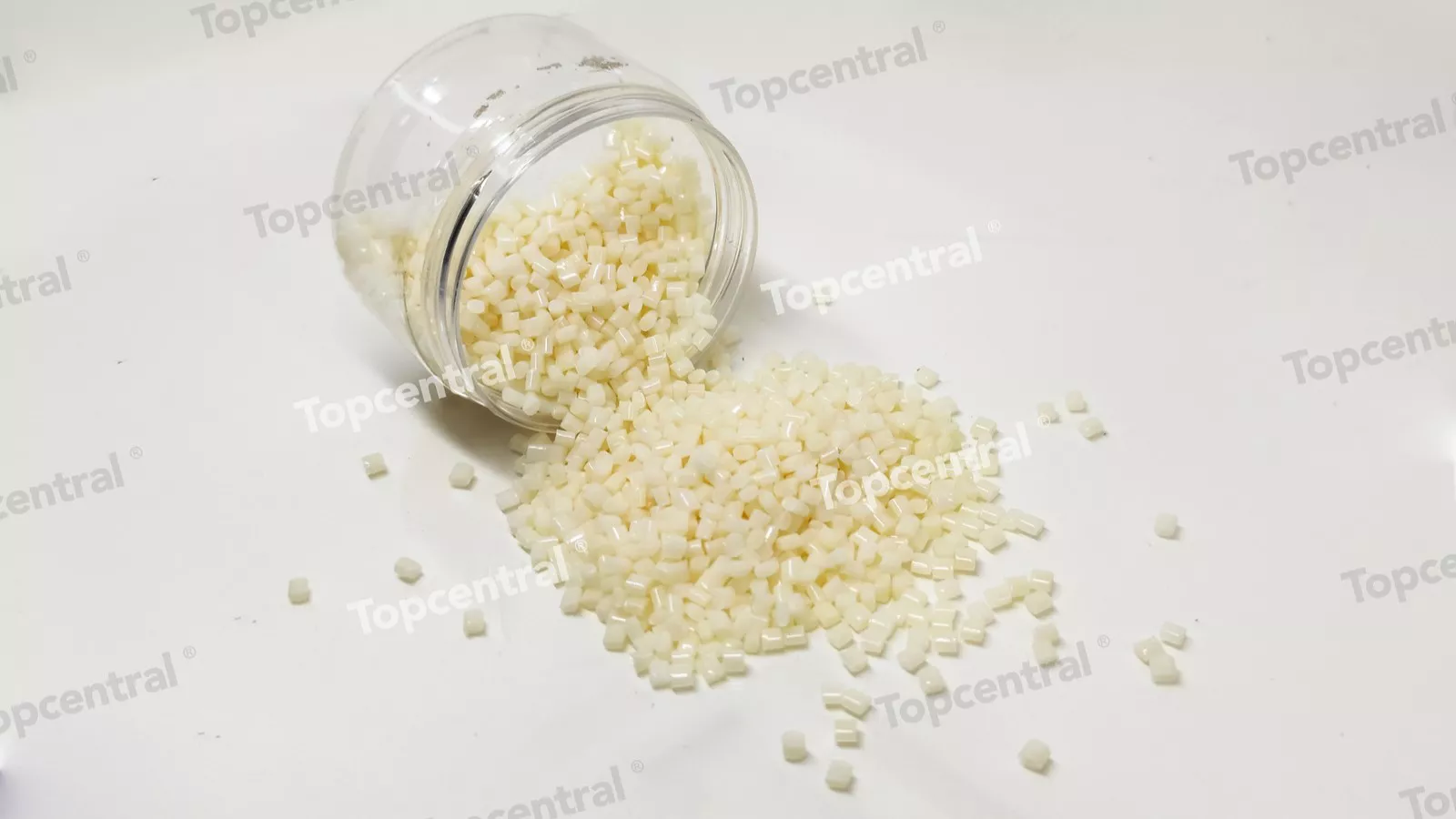
When procuring recycled ABS pellets, buyers should ask suppliers for a Technical Data Sheet (TDS) and evaluate several critical technical parameters to ensure the material is suitable for their specific injection molding or extrusion process.
Sourcing recycled plastic introduces risks related to supply stability, batch consistency, and environmental compliance that do not exist to the same degree with prime plastics. When evaluating a recycled ABS manufacturer, procurement teams should verify the following capabilities:
1. Traceability & Certification
Can the supplier prove the origin of the recycled content? Look for internationally recognized certifications such as Global Recycled Standard (GRS), UL Environmental Claim Validation (ECV) for recycled content, or ISCC PLUS. These ensure claims regarding PCR or PIR percentages are legitimate.
2. Robust Quality Control Testing
Does the supplier have an in-house laboratory equipped to test physical properties (impact, tensile, MFI) and chemical compliance (spectrometry for heavy metals/RoHS)? A reliable supplier provides a Certificate of Analysis (COA) with every delivered batch.
3. Homogenization Capacity
Because plastic waste varies daily, maintaining consistency is challenging. Leading manufacturers use large homogenization silos (blending silos) that can mix large volumes (e.g., 10 to 30 tons) of pellets simultaneously to average out minor variations and ensure consistent properties across large orders.
4. Compounding Expertise
Can they modify the recycled ABS to meet your specific engineering requirements? An excellent recycling partner doesn't just sell "standard" pellets; they act as a compounding material science partner to tailor MFI, color, or impact strength to your mold design.
When integrating recycled ABS into a mass-production supply chain, minimizing risk is paramount. Topcentral has established itself as an industry leader in high-performance recycled engineering plastics, offering distinctive advantages for B2B procurement:
Generally, no. Standard PCR and PIR mechanically recycled ABS pellets are not FDA-approved for direct food contact or medical device use due to the inability to guarantee 100% elimination of unknown trace contaminants from prior lifecycles. They are strictly intended for industrial, electronic, automotive, and consumer durables applications.
In most cases, no. High-quality recycled ABS is designed as a "drop-in" replacement for virgin ABS. Shrinkage rates (typically 0.4% - 0.7%) and melt flow characteristics can be compounded to match your current prime material closely, allowing you to use existing molds with only minor adjustments to temperature or injection pressure settings.
Low-quality recycled ABS often emits a pungent odor during melting due to inadequate washing or degraded polymers. Top-tier manufacturers utilize advanced vacuum degassing technology during extrusion and rigorous hot-washing protocols to ensure the pellets are virtually odor-free during processing and in the final product.
Achieving a pure, bright white or transparent finish using 100% PCR recycled ABS is extremely difficult due to the mixed color nature of waste streams. Most recycled ABS is produced in black or dark gray. If light colors are mandatory, a supplier may need to use carefully segregated clear/white PIR offcuts, or blend a lower percentage of recycled material with virgin prime ABS and white titanium dioxide (TiO2) pigment.
Transitioning to recycled ABS pellets represents a strategic opportunity for B2B manufacturers to enhance product sustainability, lower carbon emissions, and stabilize material costs against oil market fluctuations. However, the success of this transition relies entirely on selecting a material partner capable of delivering consistent batch-to-batch quality, rigorous compliance, and tailored compounding.
By understanding the recycling process, carefully evaluating material properties, and partnering with verified industry leaders like Topcentral, procurement teams can confidently integrate recycled ABS into their supply chains, achieving both environmental targets and uncompromised product performance.
Topcentral's PCFNow platform provides product carbon footprint certificates for TC-Rester® rPET, Ploypoy® rPP, IBISS® rABS, PCR PC® rPC, Poisye® rPE, and Nairong® rPA6/rPA66 — with emission factors in kgCO₂e/kg, ISO 14067 methodology reference, system boundary disclosure, and allocation method stated. Zero Carbon grades available via FreeCBO2® for rPP and rPC. Full Scope 3 documentation package provided with every commercial order.
Lena.wang@topcentral.cn | +86 15990263642
Discover this amazing content and share it with your network!

The global recycled plastic industry is evolving rapidly in 2026. This guide profiles the top manufacturers leading the charge in PET, HDPE, and PP recycling technologies.

Learn how to select the right PCR PC material with this guide covering grades, performance, applications, certifications, and supplier evaluation for sustainable polycarbonate solutions.

This comprehensive guide explores rABS plastic (recycled Acrylonitrile Butadiene Styrene), detailing its manufacturing process, material properties, comparison with virgin ABS, key application requirements, and how manufacturers can select the ideal grade for sustainable injection molding.