/
/

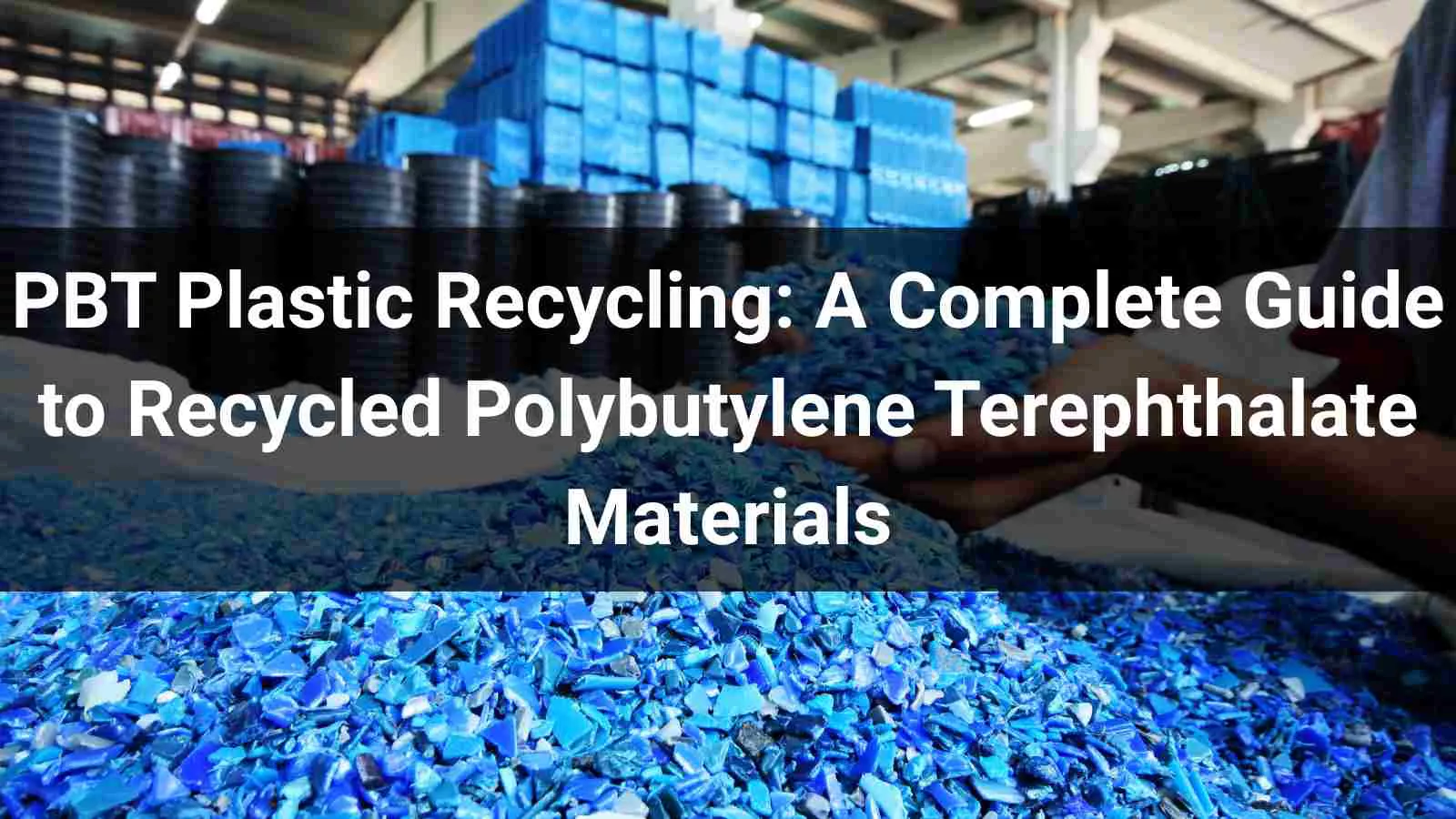
Polybutylene Terephthalate (PBT) is a high-performance engineering thermoplastic widely used in automotive components, electrical systems, industrial equipment, and consumer products. Known for its excellent dimensional stability, mechanical strength, chemical resistance, and electrical insulation properties, PBT has become an important material for manufacturers requiring reliable performance in demanding applications.
However, the increasing use of engineering plastics has also created new challenges in waste management and resource efficiency. As manufacturers focus more on circular economy strategies and sustainable production, PBT plastic recycling has become an important approach for reducing plastic waste while maintaining the functional advantages of engineering-grade materials.
Recycled PBT materials, often referred to as rPBT, provide manufacturers with an alternative to traditional virgin materials by converting industrial waste, post-consumer plastics, and production scrap into reusable engineering compounds. Through advanced sorting, processing, and compounding technologies, recycled PBT can be customized for different applications, including automotive parts, electronic components, and industrial products.
This guide explains how PBT plastic recycling works, the different types of recycled PBT materials, their applications, benefits, and key factors companies should consider when selecting a recycled PBT supplier.
Navigate through key sections of this technical guide
Polybutylene Terephthalate (PBT) is a semi-crystalline polyester engineering plastic produced from polymerized butylene glycol and terephthalic acid. It belongs to the same polyester family as PET but offers different performance characteristics, making it suitable for precision manufacturing applications.
The main advantages of PBT include:
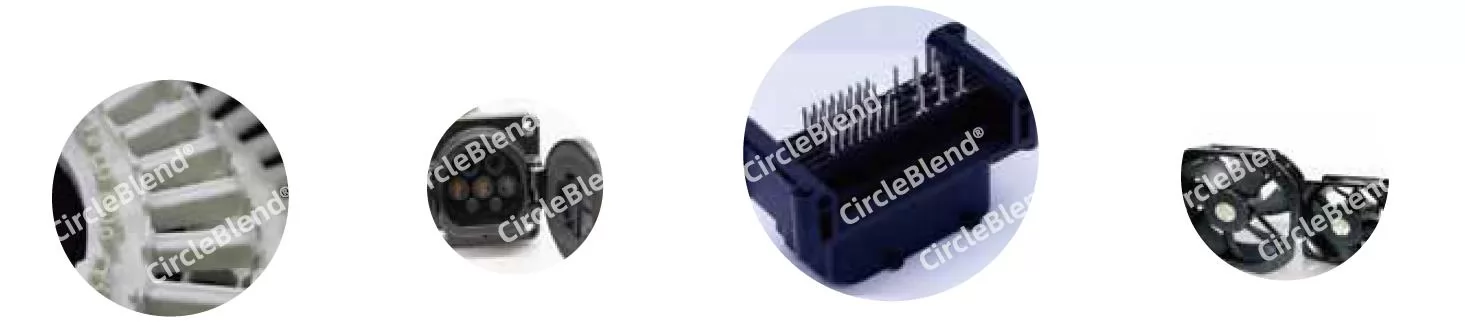
Because of these properties, PBT is widely used in industries where reliability and durability are essential. Common PBT applications include automotive connectors, sensor housings, switches and terminal blocks, appliance components, and industrial precision parts. As demand for lightweight and durable materials continues to grow, the amount of PBT waste generated from manufacturing processes and end-of-life products has also increased.
Traditional plastic manufacturing relies heavily on virgin petroleum-based raw materials. While virgin PBT provides excellent performance, producing new resin requires additional energy consumption and raw material extraction.
PBT plastic recycling helps significantly reduce plastic waste sent to landfills and lowers direct dependence on virgin petroleum resins.
By converting industrial and post-consumer scrap back into reusable compounds, recycling improves overall resource utilization and supports corporate sustainability goals.
Adopting recycled engineering plastics helps manufacturers meet evolving environmental compliance standards and corporate ESG requirements.
The process of PBT plastic recycling involves multiple stages to transform discarded PBT materials into reusable engineering-grade materials. Unlike general plastics recycling, recycling PBT requires careful material identification, contamination control, and performance adjustment because PBT is commonly used in applications with strict mechanical, thermal, and electrical requirements.
The first step in PBT plastic recycling is collecting and separating suitable PBT waste streams from two main sources:
Collected materials undergo washing, foreign matter removal, and pre-drying. Maintaining cleanliness prevents loss of mechanical strength, color shifts, and processing instabilities. Afterwards, the material is shredded, melted, filtered, and re-extruded into uniform recycled PBT pellets.
For demanding industrial applications, baseline recycled resin undergoes a secondary compounding process. Topcentral provides customized recycled PBT compounds with options such as glass fiber reinforcement, flame-retardant packages, and heat stabilizers to suit specific technical needs.
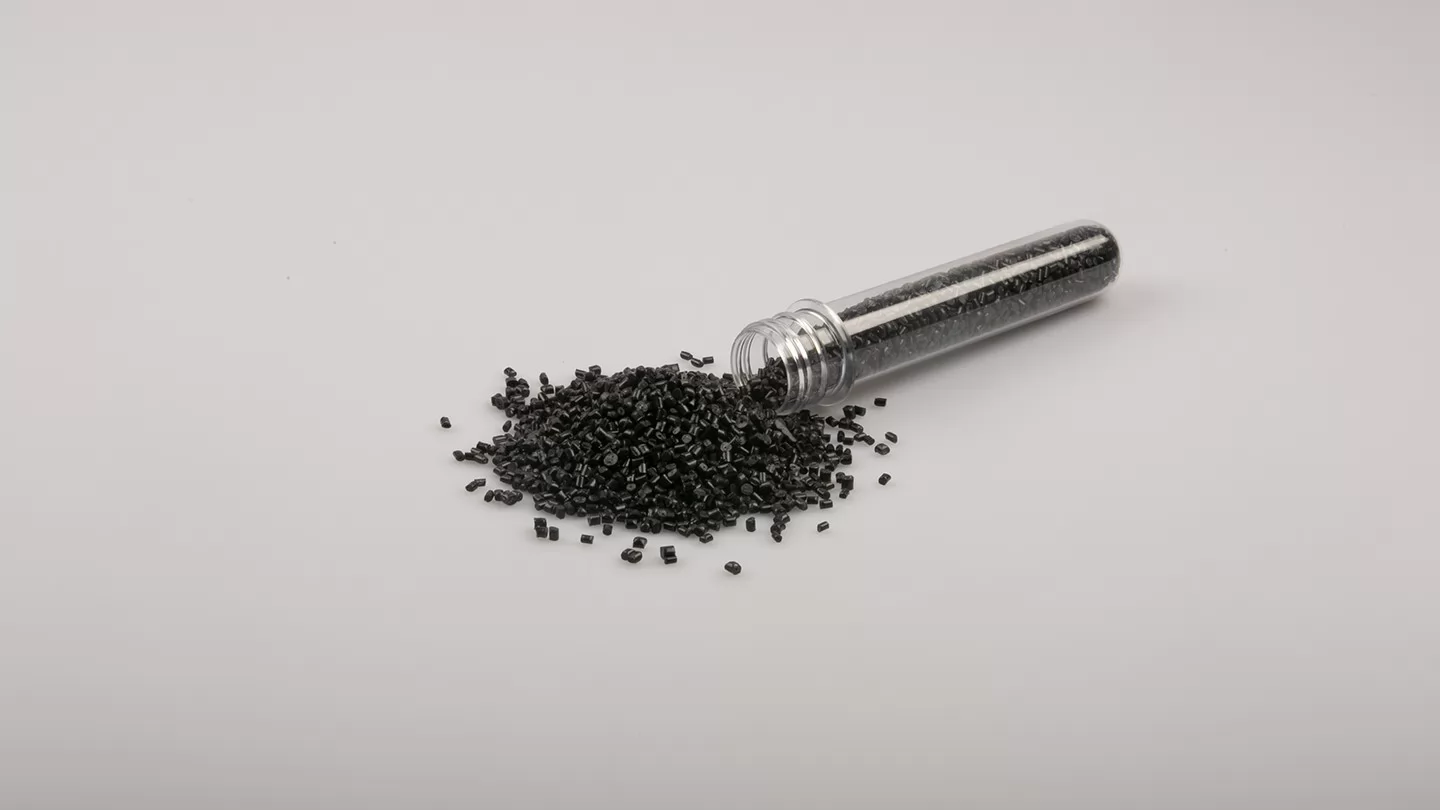
Depending on the origin of the feedstock and processing history, recycled PBT is classified into distinct material grades:
| Category | Source Material | Key Characteristics | Primary Advantages |
|---|---|---|---|
| Post-Industrial Recycled (PIR PBT) | Factory scrap, sprues, offcuts, off-spec parts | High purity, stable thermal history, low contamination risk | Consistent batch-to-batch quality, ideal for initial recycled content adoption |
| Post-Consumer Recycled (PCR PBT) | End-of-life automotive parts, electronics, appliances | Requires thorough sorting, optical sorting, and washing | Closes the recycling loop and directly supports corporate circularity targets |
| Reinforced rPBT Compounds | PIR/PCR matrix blended with glass fibers or fillers | High stiffness, dimensional stability, improved HDT | Achieves mechanical performance equivalent to virgin engineering PBT |
The performance of recycled PBT depends on feedstock quality, processing technology, and formulation design. When properly sorted and compounded, rPBT delivers strong mechanical strength, dimensional stability, thermal endurance, and reliable electrical insulation.
For a detailed technical evaluation of property differences, read our guide on recycled PBT performance compared with virgin PBT.
Integrating recycled PBT into manufacturing workflows yields both environmental and structural benefits:
While PBT plastic recycling provides significant value, plastic processors must manage key operational factors:
Selecting an experienced supplier minimizes risks when adopting recycled engineering plastics. Key evaluation points include:
As global industries shift toward sustainable manufacturing, demand for recycled engineering plastics continues to grow. Future innovations in PBT recycling will focus on optical sorting advancements, reactive chain extension technologies, expanded PCR collection networks, and closed-loop automotive circularity programs.
PBT plastic recycling represents a vital bridge between environmental sustainability and high-performance manufacturing. By converting industrial scrap and post-consumer waste into high-grade recycled PBT compounds, manufacturers can meet ambitious corporate sustainability goals without sacrificing the dimensional stability, heat resistance, or mechanical strength required for demanding applications. Partnering with a skilled compounder ensures consistent lot-to-lot quality, optimized processing parameters, and full technical compliance.
Contact Topcentral's material engineering team to request sample formulations, technical data sheets, or a custom consultation.
Request a Material Consultation
Discover this amazing content and share it with your network!

The global recycled plastic industry is evolving rapidly in 2026. This guide profiles the top manufacturers leading the charge in PET, HDPE, and PP recycling technologies.

Discover how Topcentral® transforms plastic waste into high-value recycled materials through PCR solutions, ocean circular innovation, traceability, and carbon management technologies.

Material Week Japan 2026, recycled plastic materials, PCR recycled materials, sustainable materials, recycled plastic manufacturer